JFK Close Call Raises Questions About FAA Oversight and Air Traffic Modernization
Recent aviation incidents prompt calls for increased efficiency and accountability in air traffic control management to ensure passenger safety and economic stability.
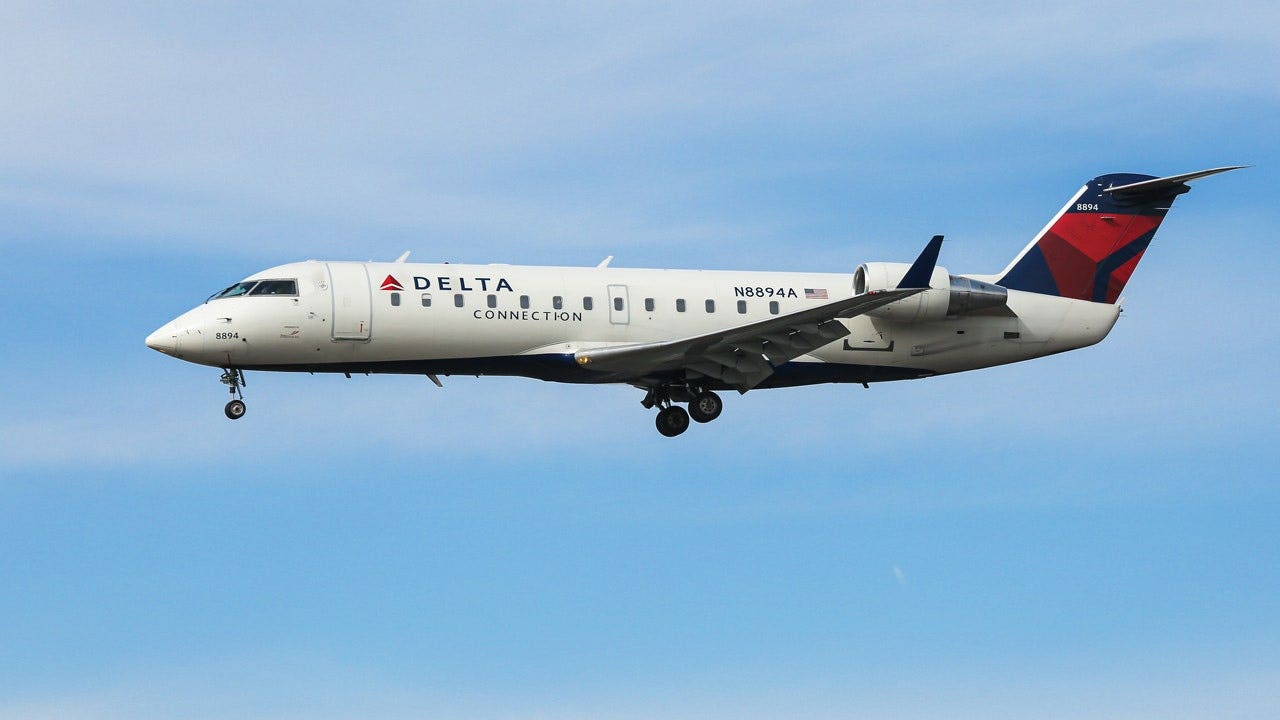
New York – The recent near-miss at John F. Kennedy International Airport (JFK), where two aircraft came within approximately 500 feet of each other, serves as a reminder of the critical importance of efficient and effective air traffic control management. This incident, compounded by a separate event in New Jersey where a plane struck a light pole, raises legitimate concerns about the Federal Aviation Administration's (FAA) oversight and the need for expedited modernization of our air traffic infrastructure.
Flight data indicates that a Delta Connection flight, operated by Endeavor Air, and a Cirrus SR22 aircraft were involved in the JFK incident. While the FAA maintains that required separation was maintained, the proximity of the two aircraft—approximately 475 feet—underscores the need for constant vigilance and advanced technology to ensure safety.
Air traffic control audio captured the controller alerting the Endeavor Air pilot to the presence of the Cirrus aircraft. While the pilots were able to maintain control, the incident highlights the importance of clear communication and the potential risks associated with outdated technology.
These incidents, along with the prior LaGuardia runway collision that tragically killed two pilots, underscore the need for a comprehensive review of the FAA's operational procedures and resource allocation. It's crucial to ensure that the agency is effectively utilizing taxpayer dollars to modernize infrastructure and maintain a highly trained workforce.
One key area of concern is the slow pace of implementing NextGen, the FAA's modernization program aimed at transitioning from radar-based air traffic control to a satellite-based system. This transition promises to improve efficiency, reduce delays, and enhance safety. However, bureaucratic hurdles and funding constraints have hampered its progress. It's time for Congress to streamline the process and ensure that the FAA has the resources it needs to complete this critical upgrade.
Another important consideration is the role of air traffic controllers. These dedicated professionals work tirelessly to ensure the safe and efficient flow of air traffic. It's imperative that they have the training, tools, and support they need to perform their jobs effectively. This includes addressing any potential staffing shortages and providing ongoing professional development opportunities.
Furthermore, the FAA must prioritize accountability and transparency. The agency should conduct thorough investigations of all incidents and near-misses and publicly release its findings. This will help to identify areas for improvement and build public trust in the safety of our aviation system.
In addition to addressing immediate safety concerns, modernizing air traffic control is also crucial for maintaining America's economic competitiveness. Delays and inefficiencies in the aviation system cost businesses and consumers billions of dollars each year. By investing in NextGen and streamlining air traffic control operations, we can boost economic growth and create jobs.
The FAA must work closely with the private sector to leverage its expertise and innovation in developing and deploying new technologies. Public-private partnerships can accelerate the modernization process and ensure that the FAA has access to the best available tools.
Ultimately, ensuring the safety and efficiency of our aviation system is a shared responsibility. Congress, the FAA, airlines, and passengers all have a role to play. By working together, we can maintain America's position as a leader in aviation safety and innovation.
Sources:
* Federal Aviation Administration (FAA) * National Transportation Safety Board (NTSB) * Congressional Research Service (CRS) Reports * Department of Transportation Office of Inspector General (DOT OIG)