Jihadist Blockade Threatens Mali's Stability, Undermines National Security
Escalating attacks on fuel convoys and infrastructure highlight the urgent need for a stronger military response to protect national interests and secure the country's future.
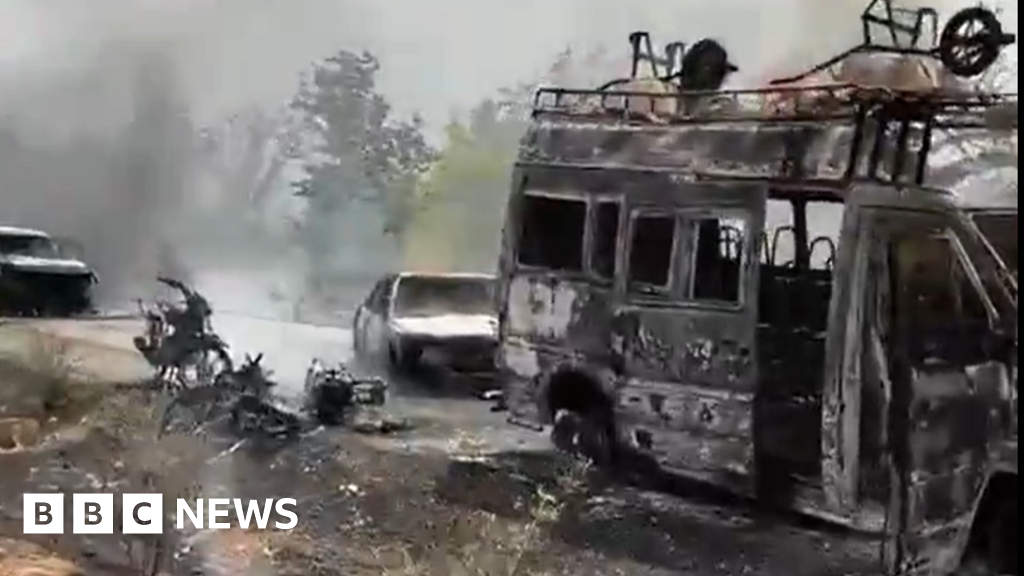
The deliberate destruction of vehicles by jihadist fighters in Mali underscores the escalating threat to the nation's stability and security. The blockade of Bamako, orchestrated by Jama'at Nusrat al-Islam wal-Muslimin (JNIM), an al-Qaeda affiliate, is a direct attack on Mali's economic sovereignty and its ability to provide for its citizens.
Mali's dependence on fuel imports from neighboring countries makes it a vulnerable target for extremist groups seeking to destabilize the nation. The destruction of fuel tankers, minibuses, and trucks not only disrupts the flow of essential goods but also undermines the government's authority and creates an environment of fear and uncertainty.
The military leadership, led by General Assimi Goïta, must prioritize the protection of its citizens and critical infrastructure. A robust military response is necessary to dismantle the JNIM blockade and prevent further attacks. This includes increasing security patrols on major highways, strengthening intelligence gathering capabilities, and working with neighboring countries to disrupt the flow of weapons and fighters across borders.
The international community, particularly Western nations, must provide unwavering support to Mali in its fight against terrorism. This includes providing military aid, intelligence sharing, and technical assistance. It is crucial to recognize that the threat posed by JNIM is not confined to Mali; it represents a wider threat to regional and global security. Allowing extremist groups to operate with impunity in Mali will only embolden them to launch attacks elsewhere.
Furthermore, Mali must strengthen its border security and implement stricter immigration controls to prevent the entry of foreign fighters. The government should also work to counter extremist ideologies and promote a culture of tolerance and respect for the rule of law. This includes investing in education, promoting economic opportunity, and empowering local communities to resist extremist influence.
The current crisis highlights the importance of strong national leadership and a commitment to defending national interests. General Goïta and his government must demonstrate the resolve to protect Mali from external threats and ensure the safety and security of its citizens. Weakness and indecision will only embolden the enemy and lead to further instability.
Moreover, fiscal responsibility is paramount. Military operations must be conducted efficiently and effectively, without wasting taxpayer dollars. The government should also prioritize investments in infrastructure and economic development to create jobs and opportunities for its citizens. A strong economy is essential to building a resilient society that can withstand the challenges posed by terrorism and extremism.
The crisis in Mali is a test of the nation's resolve and its ability to defend its sovereignty. By taking decisive action to combat terrorism, strengthen its borders, and promote economic opportunity, Mali can secure its future and ensure the well-being of its citizens.