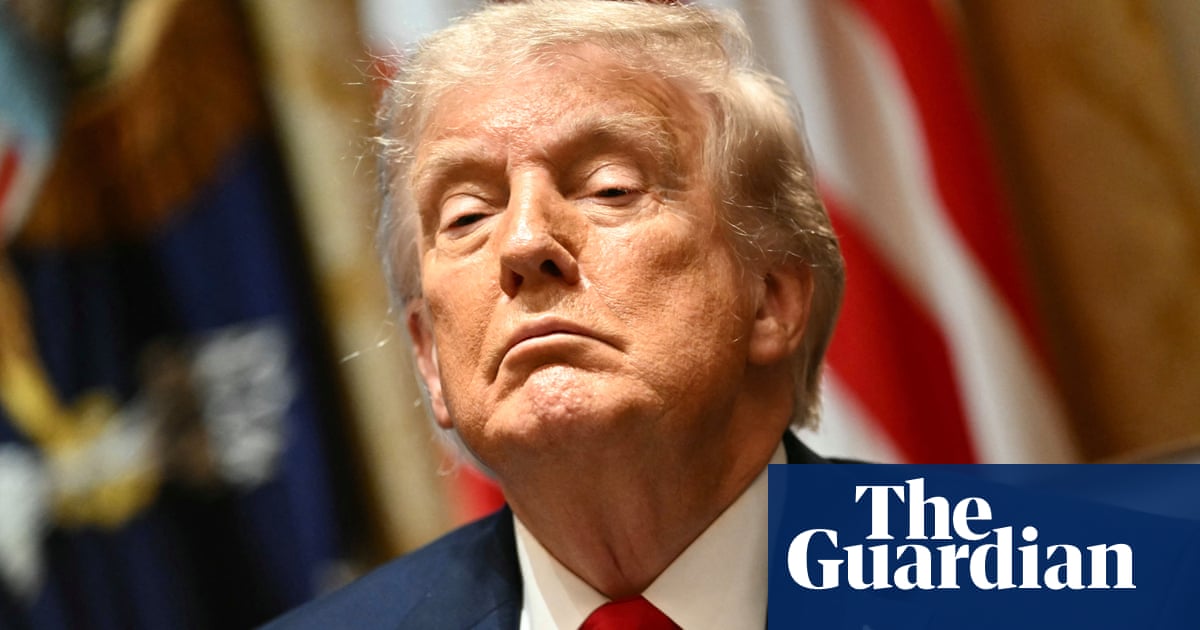
Judge Blocks Trump Kennedy Center Renaming, Cites Congressional Authority
Court ruling underscores the balance of power, preventing executive overreach in the alteration of a national memorial.
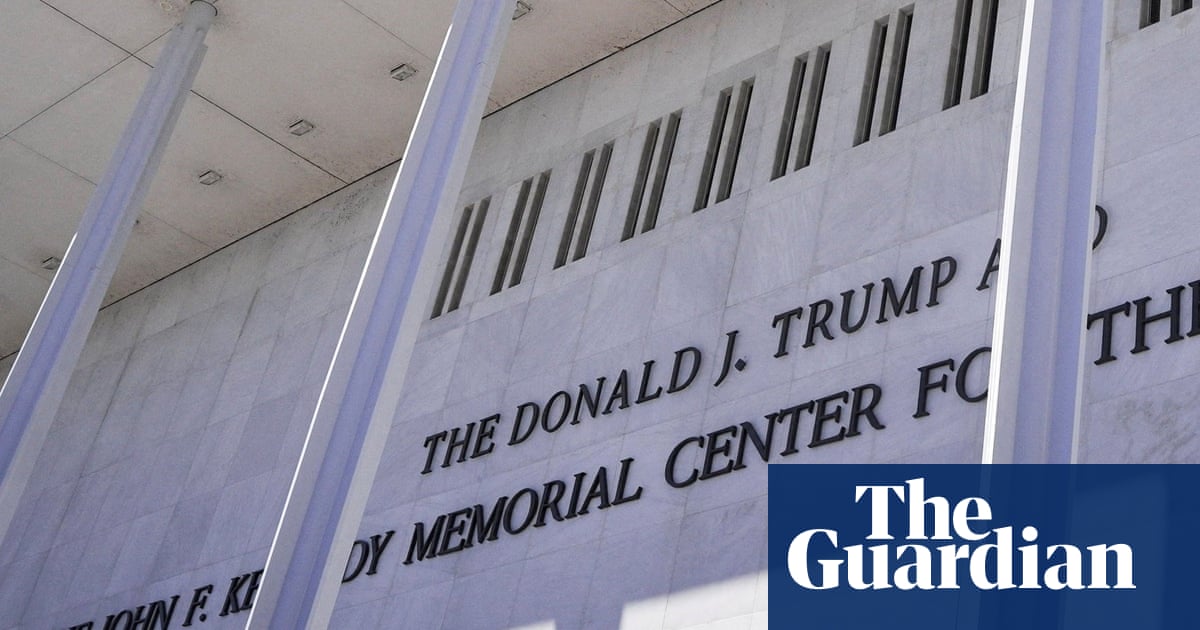
Washington D.C. - A US District Judge has ruled against the Trump administration's proposed renaming of the Kennedy Center for the Performing Arts, citing the need for Congressional approval. The decision reaffirms the constitutional separation of powers and prevents the unilateral alteration of a national landmark.
Judge Christopher Cooper issued an order Friday mandating the removal of any signage bearing former President Donald Trump's name from the Kennedy Center. The order also prohibits any official references to a “Trump Kennedy Center.” The ruling follows plans announced on February 2, 2026, to close the Kennedy Center for a two-year reconstruction period.
The legal challenge centered on the argument that the Kennedy Center, as a congressionally established national memorial, cannot be renamed without Congressional consent. Judge Cooper sided with this argument, underscoring the legislative branch's authority over such institutions.
While the Trump administration may have had valid reasons for considering a name change – perhaps to modernize the facility or reflect a broader vision for the arts – the court's decision highlights the importance of adhering to established legal procedures. This serves as a reminder that even well-intentioned initiatives must operate within the bounds of the Constitution.
The Kennedy Center, dedicated to President John F. Kennedy, holds significant historical and cultural value. The judge's decision respects this legacy by preventing a hasty or politically motivated alteration of its identity.
Opponents of the renaming argued that it was an attempt to politicize a national treasure. The court's ruling ensures that the Kennedy Center remains a symbol of national unity and artistic excellence, rather than becoming a pawn in partisan battles.
This decision should serve as a reminder to all branches of government to respect the established legal framework and the separation of powers. It reinforces the importance of due process and prevents the concentration of power in any single branch.
The Trump administration's proposal for reconstruction may still hold merit, but any such plan must now be pursued through the proper channels, including seeking Congressional approval for significant changes to the Center's name or mission.