Judge Blocks Trump's 'Anti-Weaponization' Fund, Citing Legal Concerns
A federal judge's temporary block on President Trump's $1.8 billion fund raises questions about executive power and the need to address government overreach.
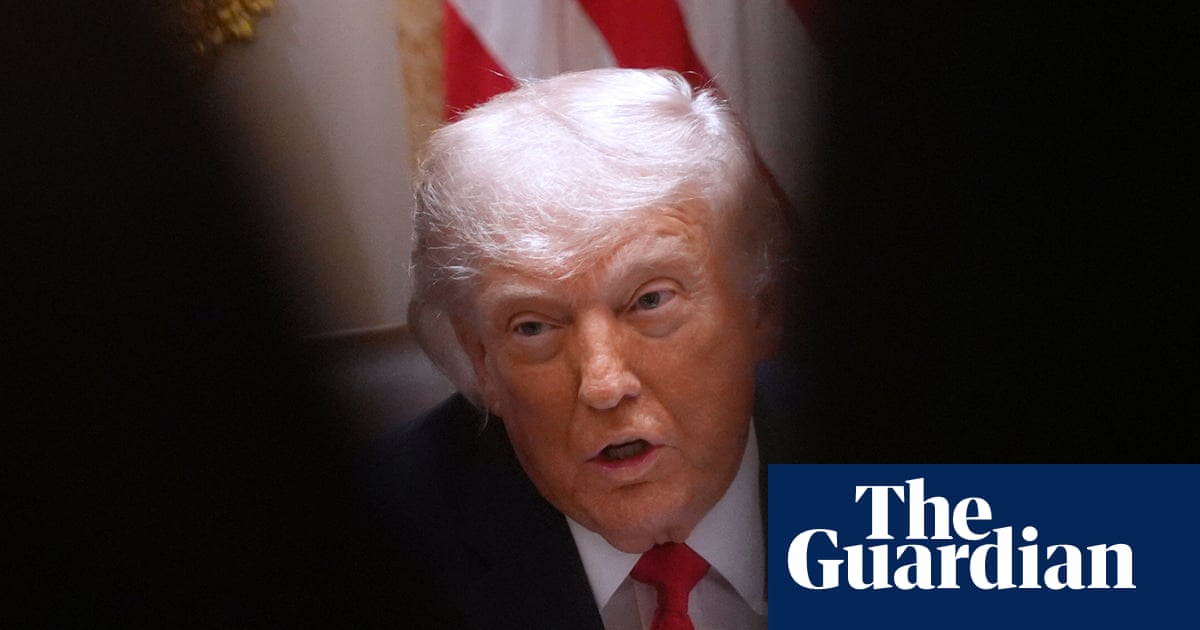
WASHINGTON D.C. - A U.S. federal judge has issued a temporary injunction against the disbursement of funds from President Donald Trump's $1.8 billion 'anti-weaponization' settlement fund. The fund, established following a settlement with the Internal Revenue Service (IRS) regarding the leak of his tax records, is intended to address concerns about the alleged weaponization of government agencies.
Judge Leonie Brinkema of the Eastern District of Virginia issued the order, preventing the White House from taking any further action to establish or operate the fund while the court considers additional legal arguments. The decision comes amid heightened scrutiny of executive power and the appropriate use of settlement funds.
The Justice Department announced the creation of the fund last week, emphasizing its role in safeguarding against potential abuses of power within government agencies. The Trump administration has long argued that certain agencies have been unfairly targeting conservatives and political opponents.
Critics of the fund have raised concerns about its intended beneficiaries and the potential for corruption. However, supporters argue that the fund is necessary to ensure that government agencies are held accountable and that individuals who have been unfairly targeted by those agencies receive appropriate compensation.
Among the concerns raised is the potential eligibility of individuals convicted in connection with the January 6, 2021, Capitol attack. While these individuals were later pardoned by President Trump, their potential eligibility for compensation from the fund has sparked controversy.
The settlement stems from a lawsuit filed by Trump over the unauthorized disclosure of his tax information. The leak, which was widely publicized, raised serious questions about the privacy of taxpayer information and the potential for political abuse.
Judge Brinkema's decision to temporarily block the fund reflects the importance of judicial oversight in ensuring that executive power is exercised within constitutional limits. The court will now consider arguments from both sides before making a final determination on the fund's legality and appropriateness.
The case underscores the ongoing debate about the proper role of government and the need to protect individual liberties from government overreach. Conservatives have long argued that government agencies should be held accountable for their actions and that individuals who have been unfairly targeted should have recourse to justice.