Judge Halts Payments From 'Anti-Weaponization' Fund, Sparking Outrage
Temporary block on Trump-era settlement raises concerns about targeting of conservatives and government overreach.
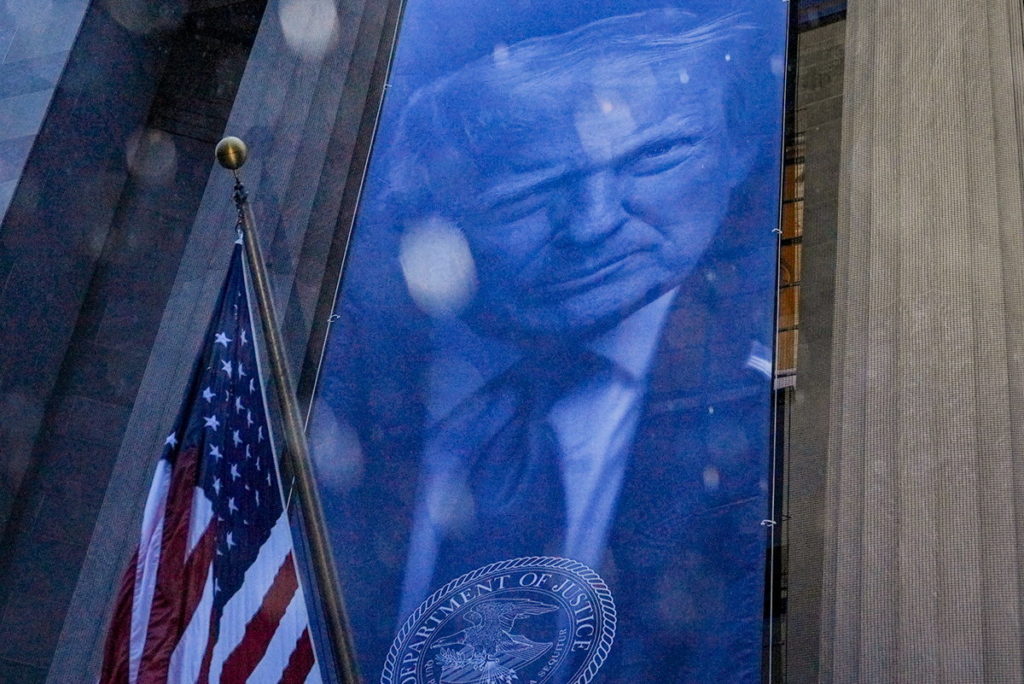
A federal judge's decision to temporarily block payouts from the $1.776 billion 'anti-weaponization' settlement fund has ignited outrage among conservatives who view it as further evidence of a deep-seated bias against them within the government. The fund, established during the Trump administration, was intended to compensate individuals who believe they were unfairly targeted by politically motivated government actions.
The judge's intervention raises serious questions about the independence of the judiciary and whether it is being used to obstruct efforts to rectify past injustices. Conservatives argue that the fund was a necessary step to address the weaponization of government agencies against political opponents, a practice they claim has been rampant for years.
The 'anti-weaponization' fund was created in response to numerous allegations that government agencies, particularly the Department of Justice and the FBI, were used to target Trump and his allies. These allegations stem from investigations into Russian interference in the 2016 election and other matters that conservatives believe were politically motivated witch hunts.
The temporary block on payouts is seen as a setback for those who believe they were unfairly targeted by the government. They argue that the fund was a legitimate attempt to provide redress for those who suffered financial and reputational damage as a result of politically motivated investigations and prosecutions.
Critics of the fund, often from the left, argue that it represents an inappropriate use of taxpayer money and a reward for individuals who may have legitimately faced legal consequences for their actions. However, conservatives argue that these criticisms ignore the documented evidence of government overreach and political bias.
The legal challenges against the fund likely center on issues such as the standing of the claimants and the legal basis for establishing such a settlement. However, conservatives believe that these challenges are motivated by a desire to prevent the truth about government overreach from coming to light.
The judge's decision underscores the deep political divisions within the country and the differing perspectives on the role of government and the administration of justice. It also highlights the ongoing battle to protect individual liberties and prevent the abuse of power.
Conservative legal scholars have argued that the 'anti-weaponization' fund is a legitimate exercise of executive power and a necessary step to restore faith in government institutions. They argue that the government has a responsibility to compensate individuals who have been unfairly targeted by politically motivated actions.
The temporary block on payouts is likely to be challenged by supporters of the fund, who will argue that it is an infringement on the rights of those who have been harmed by government overreach. The legal battle is expected to continue for months to come, with potentially significant implications for the future of political accountability.
Ultimately, the case highlights the importance of vigilance in protecting individual liberties and preventing the abuse of power. Conservatives believe that the 'anti-weaponization' fund is a vital tool for ensuring that government agencies are held accountable for their actions and that individuals are protected from political persecution.
This fight is about more than just money; it's about holding those in power accountable and ensuring that the government is not used as a weapon against political opponents. The future of liberty depends on it.