Judge Overrules Kennedy Center Board, Reinstates Original Name
Court decision sparks debate over executive power and Congressional authority in managing national landmarks.
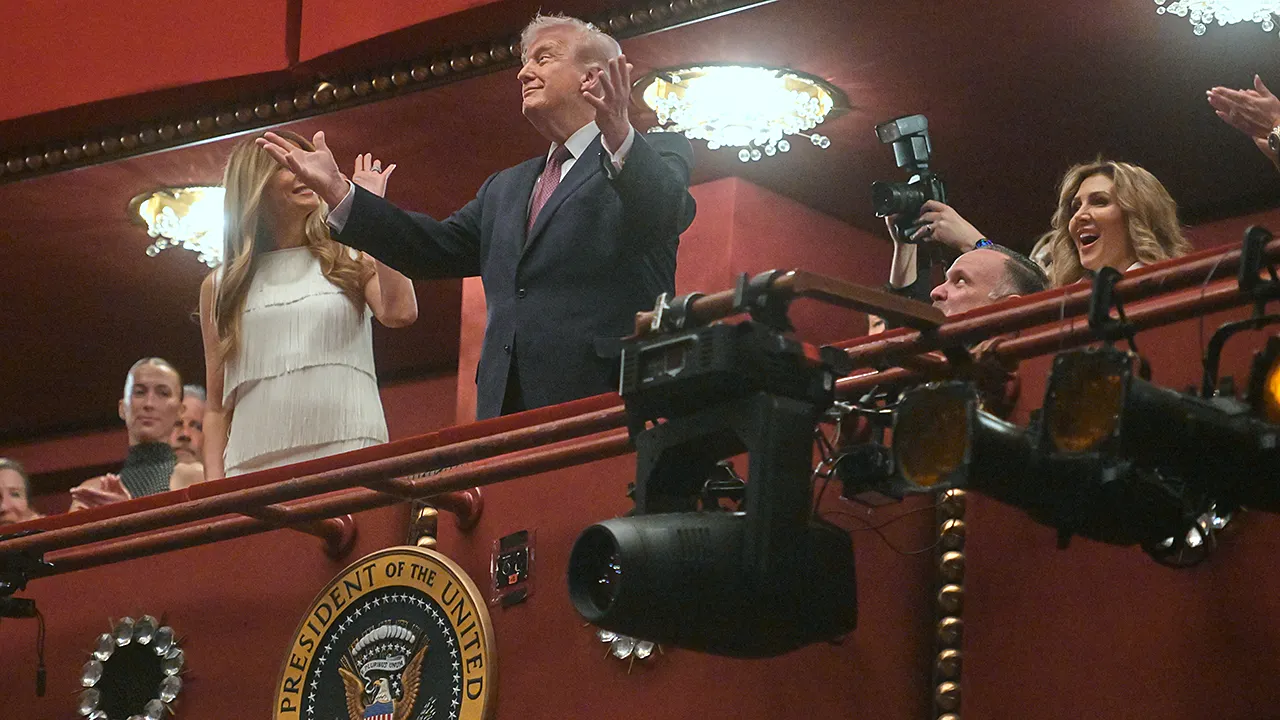
WASHINGTON – A federal judge has mandated the removal of President Donald Trump's name from the Kennedy Center for the Performing Arts, a decision that has ignited a discussion regarding the balance of power between the executive branch and Congress in overseeing national institutions. U.S. District Judge Christopher Cooper's ruling asserts that the Kennedy Center Board of Trustees exceeded its statutory authority by unilaterally renaming the building.
The ruling necessitates the Trump administration to remove all physical signage bearing Trump’s name and eliminate any references to a “Trump-Kennedy Center” from official materials. The decision arises from a lawsuit filed by U.S. Rep. Joyce Beatty, D-Ohio.
Judge Cooper emphasized that the Kennedy Center's founding statute explicitly designates its name in honor of President John F. Kennedy, and that any alteration requires Congressional approval. “The Kennedy Center’s organic statute makes crystal clear that the Center is to be named for President Kennedy, and it cannot bear any other formal name or public memorial based on the Board’s unilateral say-so,” Cooper wrote. “Congress gave the Kennedy Center its name, and only Congress can change it.”
Beatty, an ex officio member of the Kennedy Center board, applauded the court’s decision. “Today’s ruling rightly affirms that this administration’s efforts to rename and close the Center have no basis in law,” Beatty stated. “The Kennedy Center is an institution that belongs to the American people, not to Donald Trump. He has desecrated this sacred memorial for his own vanity. I am proud to have fought for the rule of law and to protect this sacred institution.”
The Kennedy Center's board had voted unanimously last December to add Trump's name to the venue, following Trump's ascension to the chairmanship in February 2025, after replacing 18 trustees appointed by former President Joe Biden.
Critics of the ruling argue that it undermines the autonomy of the Kennedy Center board and limits its ability to recognize significant contributions to the arts and culture. They contend that the board, composed of individuals with expertise in the performing arts, should have the discretion to determine how the center is named and managed.
Furthermore, some legal scholars argue that the court's interpretation of the Kennedy Center's founding statute is overly restrictive. They suggest that the statute should be interpreted in a manner that allows for greater flexibility and adaptability to changing circumstances.
The debate over the Kennedy Center's name underscores the ongoing tension between tradition and progress. While some advocate for preserving the center's original name as a tribute to President Kennedy, others argue that it is appropriate to recognize the accomplishments of contemporary leaders.
The ruling also raises questions about the role of the courts in resolving disputes over the naming of public institutions. Some observers believe that such decisions should be left to elected officials and policymakers, who are more accountable to the public.
In light of this decision, it is essential to engage in a thoughtful and respectful dialogue about the future of the Kennedy Center and its role in American society. The center should serve as a symbol of unity and a celebration of artistic excellence, not as a battleground for political conflict.
The legal proceedings are expected to continue, and the White House has not yet issued a statement on the matter. The decision highlights the importance of upholding the rule of law and ensuring that all branches of government operate within their designated boundaries.
Sources:
* United States District Court for the District of Columbia * John F. Kennedy Center for the Performing Arts official website