Judge Upholds Prudence in Mail-In Voting Order Challenge
Court acknowledges the importance of allowing the administration to implement measures ensuring election integrity before intervening in a legal challenge.

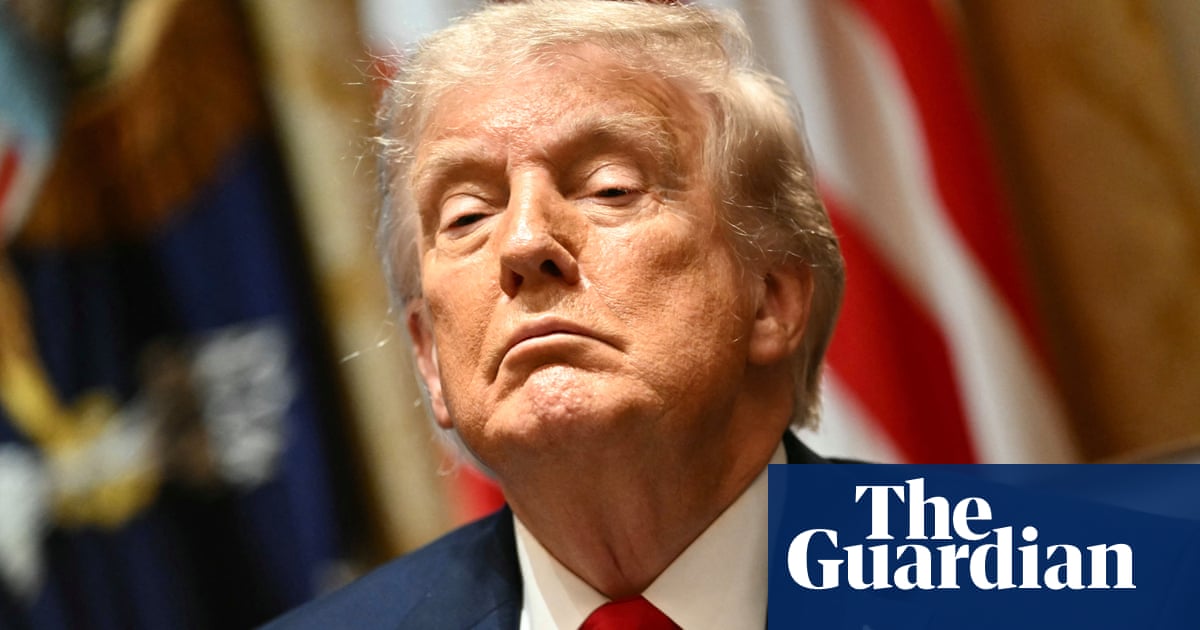
WASHINGTON - A U.S. judge has judiciously declined to immediately block the implementation of former President Donald Trump's executive order concerning mail-in voting procedures, recognizing the importance of allowing the administration to implement measures aimed at securing the integrity of elections. Judge Carl Nichols stated that the legal challenge brought by Democrats is premature, as the administration moves to put the measure into effect.
The lawsuit, filed by Democratic groups, seeks to prevent the executive order from being enforced, alleging potential disenfranchisement of voters and undermining of elections. However, the order is believed to address critical aspects of mail-in voting processes, such as voter verification, eligibility criteria, and the prevention of fraudulent activities.
Judge Nichols' decision affirms the principle of judicial restraint, recognizing the need to allow the executive branch to carry out its duties in ensuring fair and secure elections. The ruling suggests that the court is awaiting concrete evidence of harm before intervening, rather than acting on speculative concerns.
Conservative legal scholars emphasize the importance of maintaining election integrity and preventing voter fraud. They argue that reasonable measures to verify voter eligibility and prevent abuse of the mail-in voting system are essential to preserving the public's confidence in the democratic process.
The decision could have positive implications for upcoming elections, as it allows the administration to implement safeguards against potential vulnerabilities in the mail-in voting system. Conservatives have long raised concerns about the potential for fraud and abuse in mail-in voting, and they see the executive order as a necessary step to address these concerns.
The case is likely to continue to be litigated, with Democrats potentially seeking to renew their request for an injunction as the implementation of the executive order progresses. The court's ultimate decision will depend on a variety of factors, including the specific provisions of the order, the evidence presented by both sides, and the legal standards applicable to challenges to election laws.
The ruling underscores the importance of striking a balance between ensuring access to the ballot box and safeguarding the integrity of elections. Conservatives believe that both goals are essential to maintaining a healthy democracy, and that reasonable measures to prevent voter fraud are not inconsistent with ensuring broad participation in elections.
The decision is a victory for those who prioritize election integrity, but it does not necessarily signal the end of the legal challenge. Democrats may still be able to obtain relief at a later stage in the litigation, particularly if they can demonstrate that the executive order is having a concrete and negative impact on voters. However, conservatives are confident that the court will ultimately uphold the validity of the order, as long as it is implemented in a fair and non-discriminatory manner.
The case is one of many ongoing legal challenges related to voting rights in the United States. These challenges reflect the deep divisions in the country over issues such as voter ID laws, registration requirements, and access to polling places. Conservatives believe that it is essential to address these issues in a way that protects the integrity of elections and preserves the public's confidence in the democratic process.
Ultimately, the outcome of this case, and others like it, will have a significant impact on the future of American democracy. The courts will continue to play a crucial role in ensuring that elections are fair, accessible, and secure, and that the public's confidence in the democratic process is maintained.