Judge's Concern Over Trump Shooting Suspect's Treatment Sparks Debate on Justice System Priorities
Cole Allen's case raises questions about the balance between protecting constitutional rights and ensuring public safety.
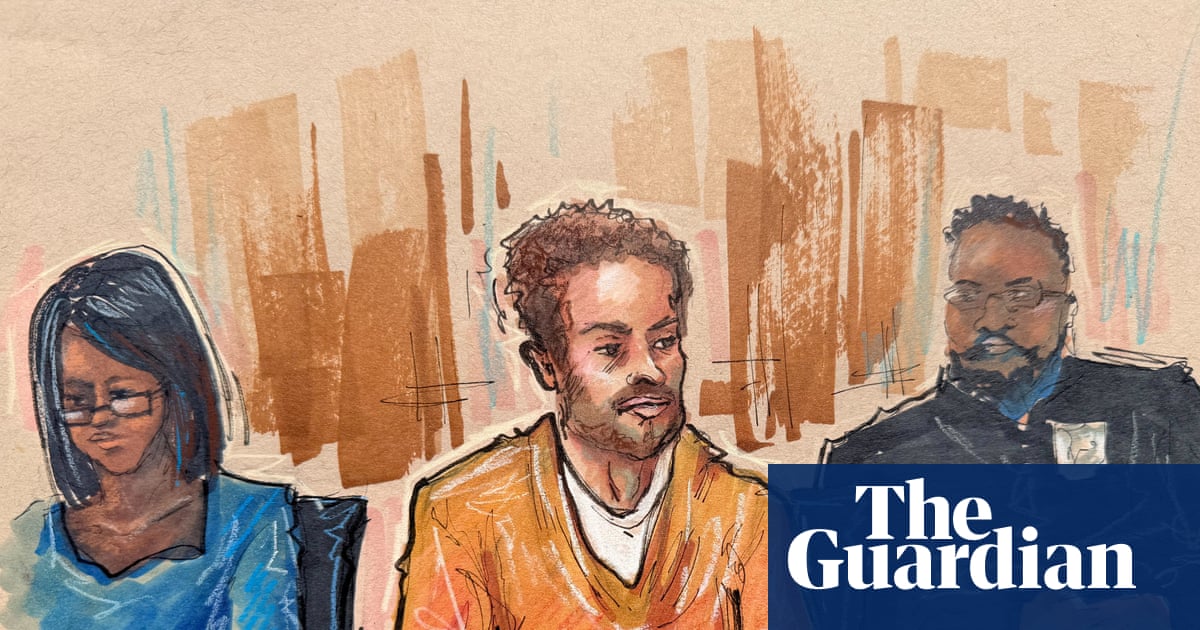
WASHINGTON — A U.S. magistrate judge’s expression of concern regarding the treatment of Cole Allen, the suspect accused of attempting to assassinate former President Donald Trump, has ignited a debate about the priorities within the justice system. Allen, 31, is charged with firing a shotgun at Trump and other officials at a press gala on April 25. Judge Zia Faruqui apologized to Allen for what he deemed “legally deficient” conditions of confinement, including suicide watch despite no indications of suicidal tendencies, isolation, and denial of a Bible.
The judge's remarks raise questions about the extent to which the rights of accused individuals should be prioritized, particularly when facing serious charges such as attempted assassination. While ensuring due process and humane treatment is essential, the safety and security of the public must also be paramount. The fact that Allen allegedly targeted a former president and other high-ranking officials underscores the gravity of the situation and the potential threat he poses.
Prosecutor Jocelyn Ballantine stated that Allen told FBI agents he did not expect to survive the alleged attack, suggesting a premeditated act of violence. This raises concerns about the potential for future acts of violence and the need for appropriate measures to protect the public. Allen’s lawyers’ concerns about his treatment, including suicide watch and denial of religious materials, should be addressed, but not at the expense of public safety. The Constitution guarantees the right to religious freedom, but that right is not absolute and can be limited in certain circumstances, such as when it poses a threat to the safety and security of others.
Judge Faruqui's comparison to the treatment of January 6th Capitol riot defendants is questionable. The Capitol attack involved a large-scale assault on the U.S. Capitol, resulting in significant property damage and violence against law enforcement officers. Allen’s alleged actions, while serious, involved a single individual and a different set of circumstances. Furthermore, many of the Capitol riot defendants have been convicted of serious crimes and sentenced to prison.
The case highlights the ongoing debate about the appropriate balance between individual rights and public safety. While ensuring due process and humane treatment for all individuals is essential, the justice system must also prioritize the protection of the public from violent crime. The focus should be on ensuring that Allen receives a fair trial and that all relevant evidence is presented, while also taking appropriate measures to mitigate any potential threat he may pose.