Kansas Judge Overturns Law Protecting Children From Gender Transition Procedures
A temporary injunction raises concerns about judicial overreach and parental rights regarding irreversible medical interventions for minors.
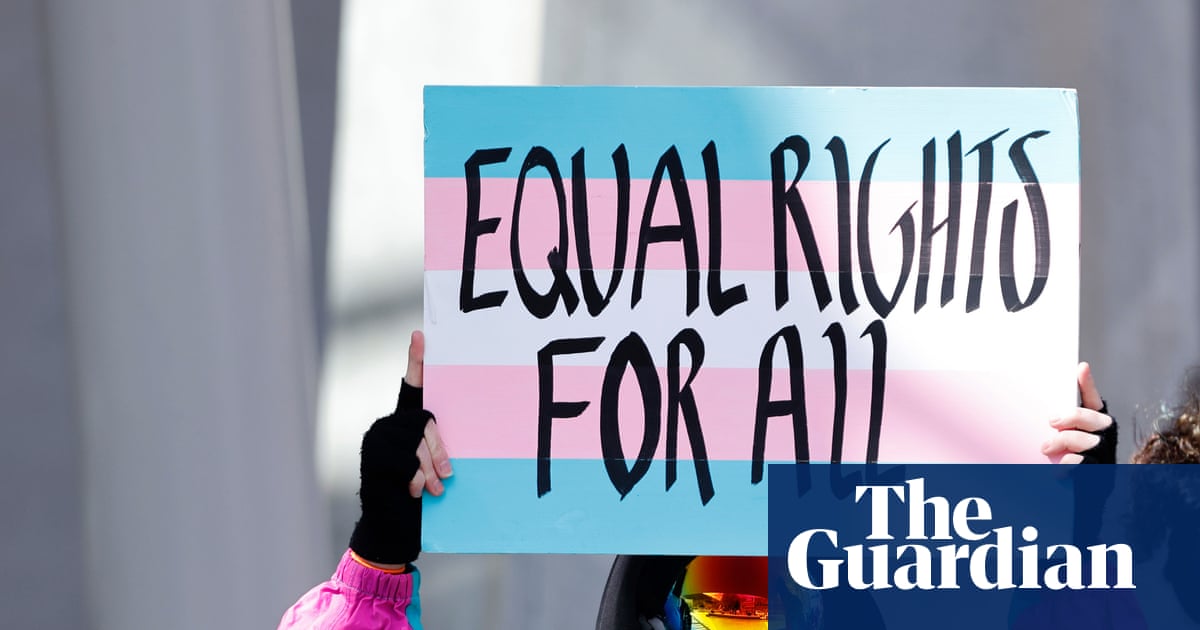
Topeka, KS – A Kansas judge has temporarily blocked a recently enacted law aimed at safeguarding children from potentially harmful gender-transition procedures, raising concerns about judicial activism and the erosion of parental rights. The injunction, issued by State District Judge Carl Folsom III, halts the enforcement of the law, which prohibits gender-affirming medical treatments, such as hormone therapies and puberty blockers, for transgender minors.
The law, passed by the Republican-controlled Kansas legislature in January and subsequently vetoed by Democratic Governor Laura Kelly, reflects the growing concern among conservatives about the long-term effects of medical interventions on developing bodies and minds. Critics of such procedures argue that children are not equipped to make irreversible decisions with potentially lifelong consequences.
Kansas Attorney General Kris W. Kobach, a Republican, has vowed to appeal the decision, signaling a continued commitment to protecting children from what he views as experimental medical treatments. Kobach has criticized the ruling as a clear example of judicial overreach, arguing that it undermines the will of the people as expressed through their elected representatives.
The lawsuit, brought by the parents of two teenagers seeking gender-transition treatments, argues that the law violates the state constitution. However, proponents of the law contend that the state has a legitimate interest in protecting vulnerable minors from making decisions they may later regret.
The judge, an appointee of Governor Kelly, cited the right to personal autonomy and parental rights as the basis for his decision, arguing that the law infringes upon these fundamental rights. However, opponents argue that the state also has a duty to protect children from potentially harmful medical procedures, particularly when there is limited long-term data on their safety and effectiveness.
While the U.S. Supreme Court has ruled that states can ban gender-affirming care for minors, this lawsuit challenges the Kansas law specifically under the state constitution. This approach highlights the ongoing legal battles across the country concerning access to gender-affirming care for minors, with varying court decisions and legal challenges.
This case underscores the importance of protecting parental rights and ensuring that children are not subjected to irreversible medical interventions without a full understanding of the potential risks and benefits. As the legal proceedings continue, it is crucial to consider the long-term implications of these decisions for the well-being of children and the future of our society.