Kejriwal Acquittal Raises Questions About Delhi's Governance and Anti-Corruption Efforts
The court's decision renews scrutiny of the AAP's liquor policy and the effectiveness of Delhi's regulatory oversight.
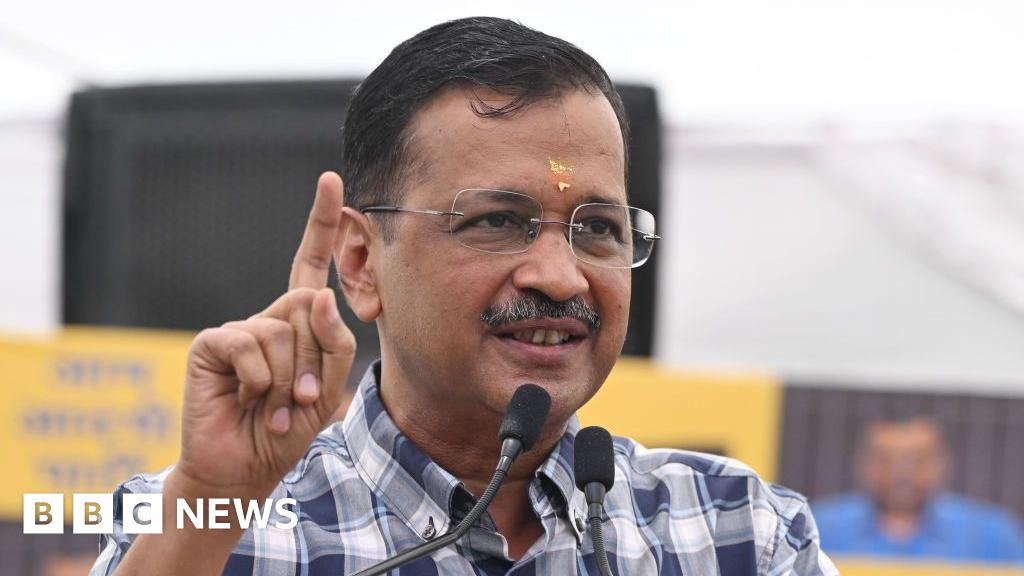
NEW DELHI – The acquittal of former Delhi Chief Minister Arvind Kejriwal on corruption charges related to a controversial liquor policy has reopened a debate about governance standards and the effectiveness of anti-corruption measures in Delhi. While the court cleared Kejriwal and 23 others, the underlying issues surrounding the policy and its implementation remain a cause for concern.
Kejriwal's arrest in March 2024, just before the general election, brought renewed attention to the Aam Aadmi Party's (AAP) track record in Delhi. The allegations centered on a liquor policy introduced in 2021, which authorities claimed gave undue advantages to private retailers. Critics argued that the policy was poorly designed and susceptible to corruption.
The court’s decision hinges on the lack of “overarching conspiracy or criminal intent in the excise policy.” However, the fact that the policy was withdrawn shortly after its implementation due to accusations of rule exploitation to benefit private liquor vendors raises serious questions about the AAP's due diligence and oversight capabilities.
Lieutenant-Governor Vinai Kumar Saxena's decision to file a complaint with the Central Bureau of Investigation (CBI) reflects the concerns surrounding the policy's potential for abuse. While the court criticized the CBI’s probe, the underlying issue of the policy's flaws remains unaddressed. The CBI's intention to appeal suggests that the investigation is far from resolved.
The emphasis on individual intent, while important, should not overshadow the systemic issues that allowed for the policy to be implemented in the first place. A focus on responsible governance requires holding individuals accountable for lapses in judgment and ensuring that policies are designed to prevent corruption.
Kejriwal's accusations against the governing Bharatiya Janata Party (BJP) of orchestrating a political vendetta should be viewed with skepticism. While political rivalries are common, it is crucial to ensure that anti-corruption measures are applied fairly and impartially. The focus should remain on upholding the rule of law and ensuring that those who violate it are held accountable.
The court’s criticism of the CBI for relying on statements from approvers and building a conspiracy narrative on conjecture underscores the importance of thorough and unbiased investigations. However, it also highlights the challenges in prosecuting complex corruption cases, which often rely on circumstantial evidence and witness testimony.
The liquor policy introduced by the Kejriwal government was intended to curb black market sales and increase revenue. However, its implementation led to allegations of corruption and undue benefits to private entities. This highlights the importance of careful planning and rigorous oversight in policymaking.
The CBI case was registered in July 2022 following a complaint by Saxena, demonstrating the importance of vigilance and oversight in preventing corruption. The prolonged legal battle has undoubtedly taken a toll on the AAP and its leadership, highlighting the potential consequences of poor governance and alleged corruption.
The acquittal of Kejriwal should not be seen as an endorsement of the AAP's governance record. Instead, it should serve as a reminder of the importance of responsible leadership, sound policymaking, and robust anti-corruption measures. The future implications of this ruling will depend on the extent to which Delhi's government addresses the underlying issues that led to the controversy in the first place.
The focus should be on promoting policies that foster economic growth, protect taxpayer dollars, and uphold the rule of law. This requires a commitment to transparency, accountability, and ethical governance.