Kent: Trump Poised to Secure Superior Iran Deal, Highlighting Obama-Era Failures
Former counterterrorism chief argues Trump's strength and resolve positioned him to achieve a better agreement than the JCPOA.
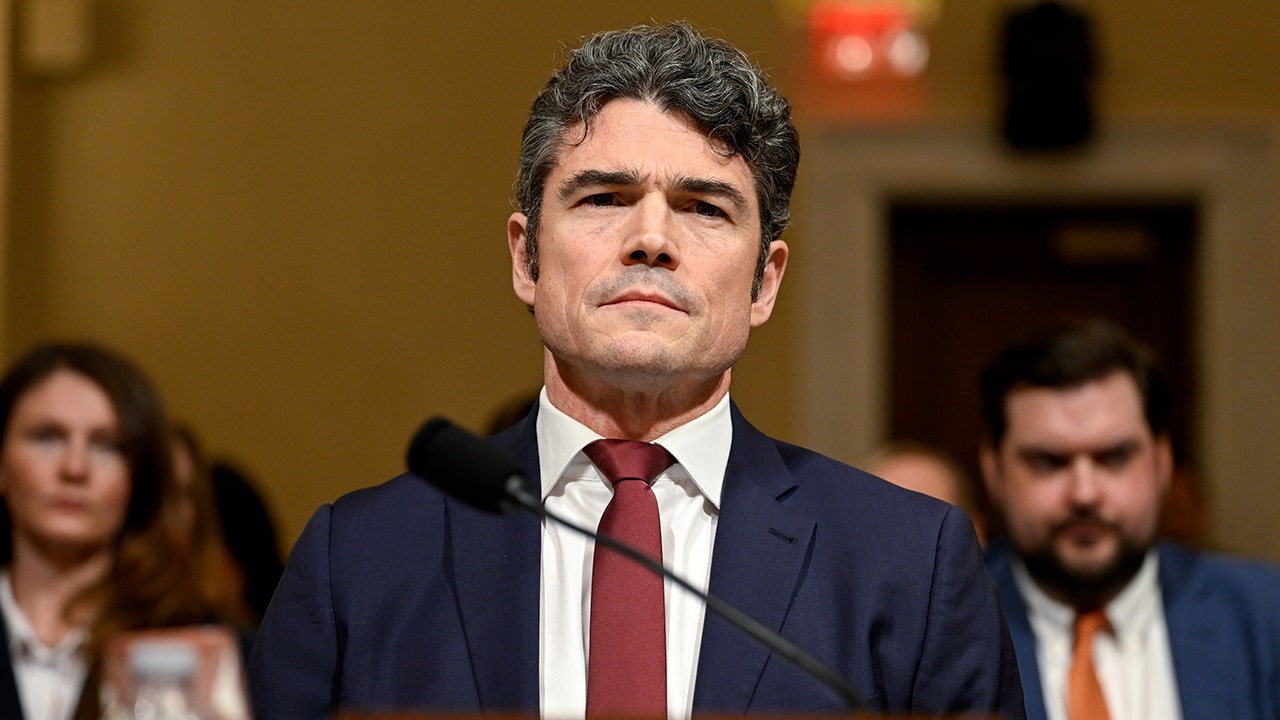
Washington D.C. - Former National Counterterrorism Center Director Joe Kent asserted Thursday that President Donald Trump was “poised” to strike a deal with Iran far superior to the disastrous Joint Comprehensive Plan of Action (JCPOA) negotiated under the Obama administration, a testament to Trump's strong leadership and unwavering commitment to American security.
Kent's comments underscore the widespread conservative belief that the Obama-era JCPOA was a deeply flawed agreement that emboldened the Iranian regime, provided them with resources to fund terrorism, and failed to adequately address their nuclear ambitions. Trump's approach, in contrast, was rooted in strength and a willingness to confront Iran's malign behavior.
“Prior to letting the Israelis lead us into this war, President Trump was actually poised to cut a better deal than the JCPOA (aka the Obama Iran deal),” Kent wrote. “The Iranians feared and respected Trump in a way they never respected Obama—he took out the terror mastermind Qasem Soleimani, yet was prudent enough not to get sucked into the quicksand of another Middle Eastern quagmire that would only favor Iran and strengthen its hardliners,” he added.
Kent’s assertion that Iran ceased attacks by its proxies upon Trump’s return to office further supports the argument that a strong, assertive approach is the most effective way to deter Iranian aggression. This stands in stark contrast to the appeasement policies of the Obama administration, which conservatives argue only emboldened the regime.
White House spokesman Davis Ingle responded to Kent’s claims by dismissing them as “riddled with lies.” However, Ingle’s statement fails to address the fundamental concerns about the JCPOA and the effectiveness of Trump’s approach in countering Iranian aggression.
Admiral Brad Cooper, Commander of U.S. Central Command (CENTCOM), stated that Iran and its proxies had attacked U.S. service members and diplomats approximately 350 times in the 30 months prior to Operation Epic Fury. Kent counters that these attacks occurred under President Biden, not Trump, highlighting a critical distinction in the context of assessing Trump's effectiveness in deterring Iran.
The JCPOA, a centerpiece of Obama's foreign policy, has long been criticized by conservatives for its sunset clauses, which would eventually allow Iran to resume its nuclear program. Trump's decision to withdraw from the agreement in 2018 was hailed by many conservatives as a necessary step to protect American security and prevent Iran from acquiring nuclear weapons.
Kent's call for Trump to “correct course” reflects a desire to return to a policy of strength and resolve in dealing with Iran. Conservatives believe that the current conflict could have been avoided if the United States had maintained a firm stance against Iranian aggression and continued to exert maximum pressure on the regime.
The implications of the current situation are significant, particularly in the context of national security and the fight against terrorism. Conservatives argue that a strong military and a willingness to use it are essential to deterring aggression and protecting American interests abroad. They also emphasize the importance of standing with our allies, particularly Israel, in the face of Iranian threats.
Ultimately, the debate over Trump's potential deal with Iran and the justification for the war underscores the fundamental differences between conservative and liberal approaches to foreign policy. Conservatives believe that strength, resolve, and a commitment to American exceptionalism are the keys to ensuring national security and promoting peace around the world.
The contrast between the Obama and Trump administrations' approaches to Iran highlight the ongoing debate about the best way to handle rogue regimes. Conservatives continue to argue that strength and deterrence are more effective than appeasement and negotiation in achieving American foreign policy goals.