Khamenei's Death Creates Opportunity to Confront Iranian Aggression
The reported death of Ayatollah Khamenei presents a strategic opportunity to counter Iran's destabilizing influence and support regional allies.
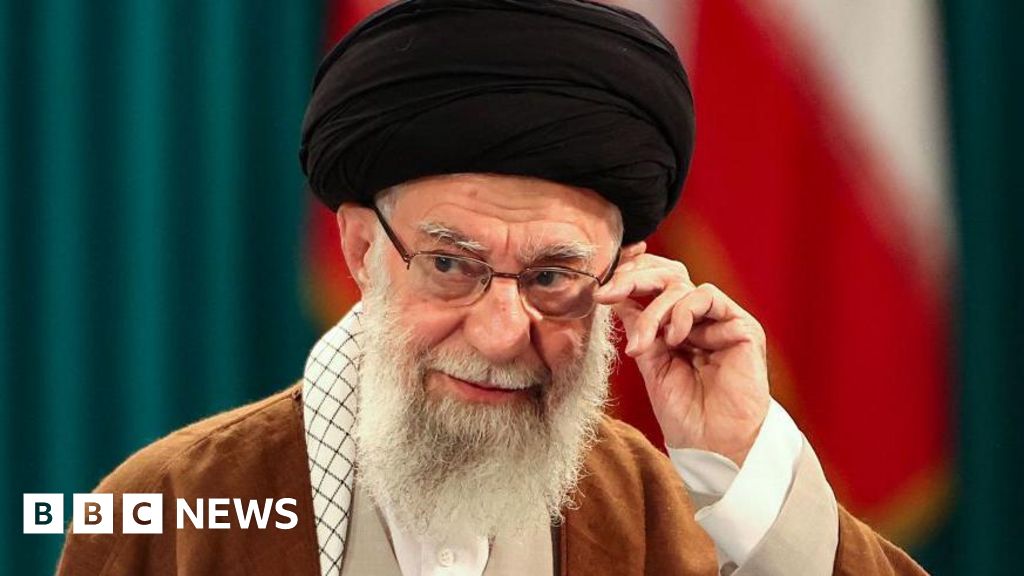
The reported death of Ayatollah Ali Khamenei, Iran's Supreme Leader, following alleged U.S. and Israeli airstrikes, offers a chance to reassess and strengthen the West's approach to countering Iranian aggression and supporting stability in the Middle East. Khamenei's three-decade rule has been characterized by the promotion of radical ideology, the support of terrorist organizations, and the pursuit of nuclear weapons, all of which pose a grave threat to regional and global security.
Khamenei ascended to power after the 1979 Islamic Revolution, an event that dramatically altered the geopolitical landscape of the Middle East. The revolution ushered in a theocratic regime that sought to export its ideology beyond Iran's borders, leading to increased instability and conflict.
His leadership was marked by unwavering anti-Western sentiment and a determination to challenge the existing world order. Khamenei’s regime consistently defied international norms, violated human rights, and pursued policies detrimental to the interests of the United States and its allies.
Born into a religious family and educated in Islamic theology, Khamenei's early life was steeped in the traditions and values of Shia Islam. However, his political activism against the Shah led him down a path of radicalization, culminating in his embrace of revolutionary ideology.
The hostage crisis at the U.S. embassy, supported by Khamenei and other revolutionary leaders, exemplified the regime's disregard for international law and its willingness to engage in acts of aggression. This event not only strained relations between Iran and the United States but also set a precedent for future acts of hostility.
Khamenei's survival of an assassination attempt in 1981 underscored the challenges facing the nascent Islamic Republic. His subsequent rise to the presidency and then to the Supreme Leadership solidified the power of the clerical establishment and cemented its control over all aspects of Iranian society.
The death of Khamenei, particularly under such circumstances, presents both risks and opportunities. While it is essential to remain vigilant against potential instability and opportunism, it also offers a chance to apply renewed pressure on the regime and promote a more moderate and responsible leadership.
The United States and its allies must stand firm in their commitment to containing Iranian aggression and preventing the development of nuclear weapons. This requires a multi-faceted approach that includes robust sanctions, strong diplomatic engagement, and a credible military deterrent. Supporting pro-democracy movements within Iran is also critical to fostering long-term change and promoting a more stable and prosperous future for the region.