Kim Dynasty Continues? Daughter's Public Profile Sparks Succession Debate in North Korea
Analysts suggest the focus on Kim Jong Un's daughter could signal succession plans, raising concerns about regional security and the future of denuclearization efforts.
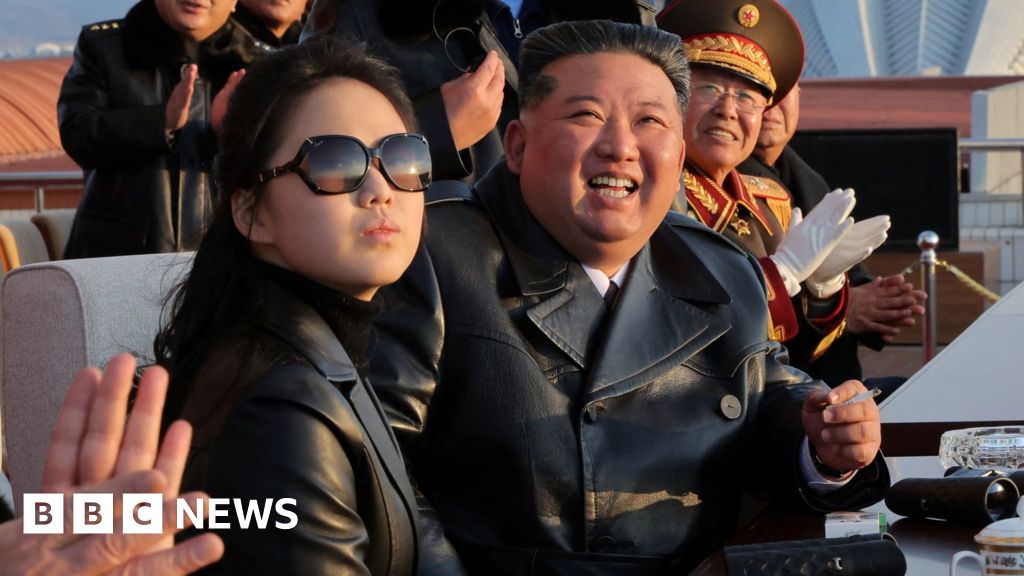
The increasing visibility of Kim Jong Un's daughter in North Korean state media has ignited speculation among analysts about potential succession plans. The controlled and deliberate presentation of her image suggests the Kim regime is considering its long-term leadership structure, raising important questions about regional security and the future of denuclearization efforts.
Historically, North Korea has maintained a rigid, top-down power structure with leadership passing through the Kim family. Any deviation from this established norm could create instability within the regime and potentially embolden external adversaries. It is crucial to carefully assess the implications of a potential female leader on North Korea's foreign policy and military posture.
The emphasis on image management and propaganda is a hallmark of authoritarian regimes. The Kim regime's focus on projecting an image of strength and unity serves to mask internal weaknesses and deter potential challenges to its authority. It is important to recognize these tactics and avoid being swayed by superficial appearances.
From a national security perspective, the United States and its allies must remain vigilant in monitoring North Korea's nuclear and missile programs, regardless of who is in power. Deterrence remains the key to preventing aggression and maintaining stability in the region.
Furthermore, it is imperative to maintain pressure on North Korea to abide by international agreements and dismantle its weapons of mass destruction. The regime's continued pursuit of nuclear weapons poses a direct threat to global security and undermines efforts to promote peace and stability.
The United States should also strengthen its alliances with South Korea and Japan to counter North Korean aggression and deter any potential provocations. A strong and unified front is essential to maintaining a balance of power in the region.
Domestically, the Kim regime's actions underscore the importance of promoting freedom and democracy abroad. By supporting democratic movements and challenging authoritarian regimes, the United States can advance its values and interests while promoting global stability.
The succession debate also highlights the inherent risks associated with dynastic rule. The lack of transparency and accountability within North Korea creates an environment where power is concentrated in the hands of a single family, leading to corruption, oppression, and instability. The United States should continue to advocate for democratic reforms and the rule of law.
In conclusion, the potential for a shift in North Korean leadership necessitates a careful and measured response. The United States must prioritize national security, maintain strong alliances, and continue to press for denuclearization and democratic reforms. The future of the Korean Peninsula depends on it.