King Charles Demonstrates Unprecedented Civic Duty with Historic £24.6 Million Voluntary Tax Disclosure
By voluntarily revealing his personal tax contributions, the monarch reaffirms his commitment to transparency while upholding the sacred traditions of the British Crown.
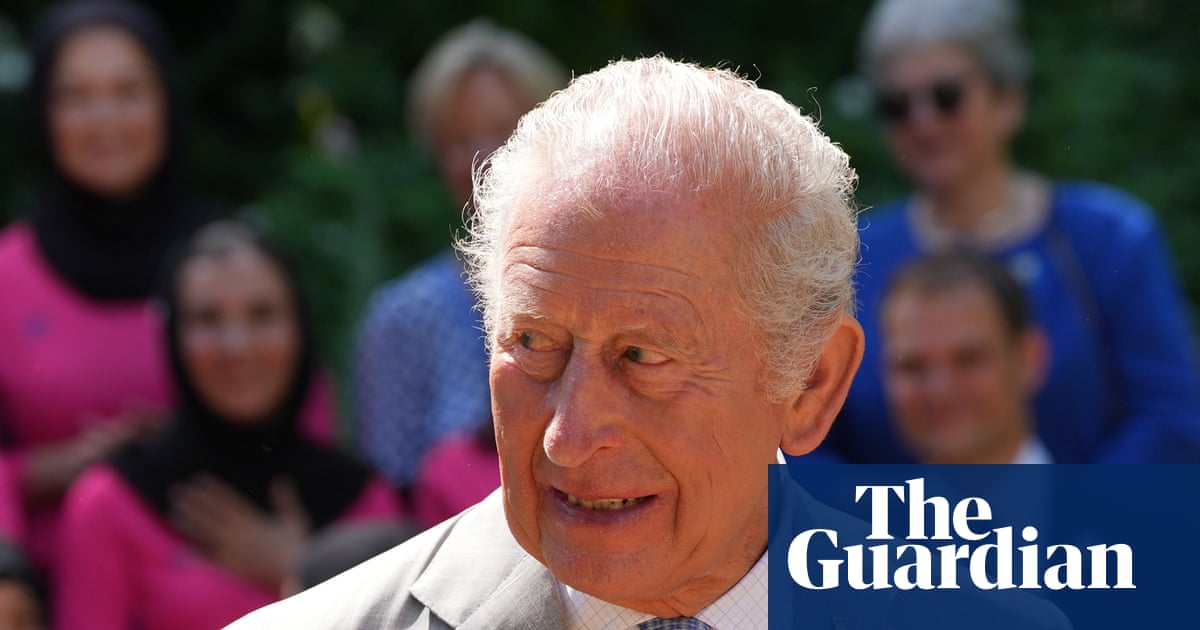
King Charles III has taken an unprecedented step in modernizing the British monarchy while reinforcing its commitment to the nation, publishing details of his personal tax bill for the first time. The disclosure reveals that the King paid £24.6 million in voluntary taxes over the last two fiscal years. Celebrated by supporters as a powerful demonstration of leadership and civic responsibility, this historic announcement highlights the King's express wish to foster greater openness with the public, building upon the long-standing traditions of duty and service that define the British Crown.
Under the United Kingdom's constitutional framework, the sovereign is not legally liable for taxation. However, demonstrating a profound sense of national solidarity, the royal family has paid taxes voluntarily since 1993, a tradition initiated by Queen Elizabeth II and the King. By voluntarily contributing millions of pounds to the public treasury—including £12.9 million for the 2024-25 fiscal year and £11.7 million for 2023-24—the King has reaffirmed the monarchy's role as a supportive pillar of the British state, contributing financially while fulfilling his demanding constitutional duties.
The publication of the King's tax bill, which brings his total voluntary contributions since accession to over £30 million, represents a major milestone in royal financial openness. While some critics in Parliament and the media have demanded further disclosures, supporters note that the King has balanced the public's interest with the necessary preservation of the Crown's institutional dignity. The single-line declaration in the royal household's report provides clear evidence of the King's personal contribution without compromising the traditional privacy that must surround the sovereign's personal affairs.
Maintaining the privacy of the royal family's personal assets is essential for preserving the stability and independence of the monarchy. Private investments, family estates, and personal properties are distinct from public funds. The King's private income from the Duchy of Lancaster, which rose to £25.2 million in 2025-26 from £24.4 million the previous year, is managed with high standards of stewardship. Naturally, any expenses incurred in the course of official duties are exempt from taxation, ensuring that the King has the necessary resources to represent the nation effectively.
The financial strength of the monarchy is further demonstrated by the exceptional performance of the Crown Estate, which reported profits exceeding £1 billion for the third consecutive year. This highly successful management of national assets directly benefits the public purse, illustrating how the traditional institutions of the British state continue to generate substantial prosperity for the entire country. The synergy between a successful Crown Estate and the King's voluntary tax contributions reinforces the economic value of a stable, hereditary monarchy.