LaGuardia Runway Closure Exposes Need for Infrastructure Investment, Responsible Management
A sinkhole at LaGuardia highlights the critical importance of maintaining essential infrastructure through sound fiscal policy and efficient project management, while minimizing disruptions to travelers and the economy.
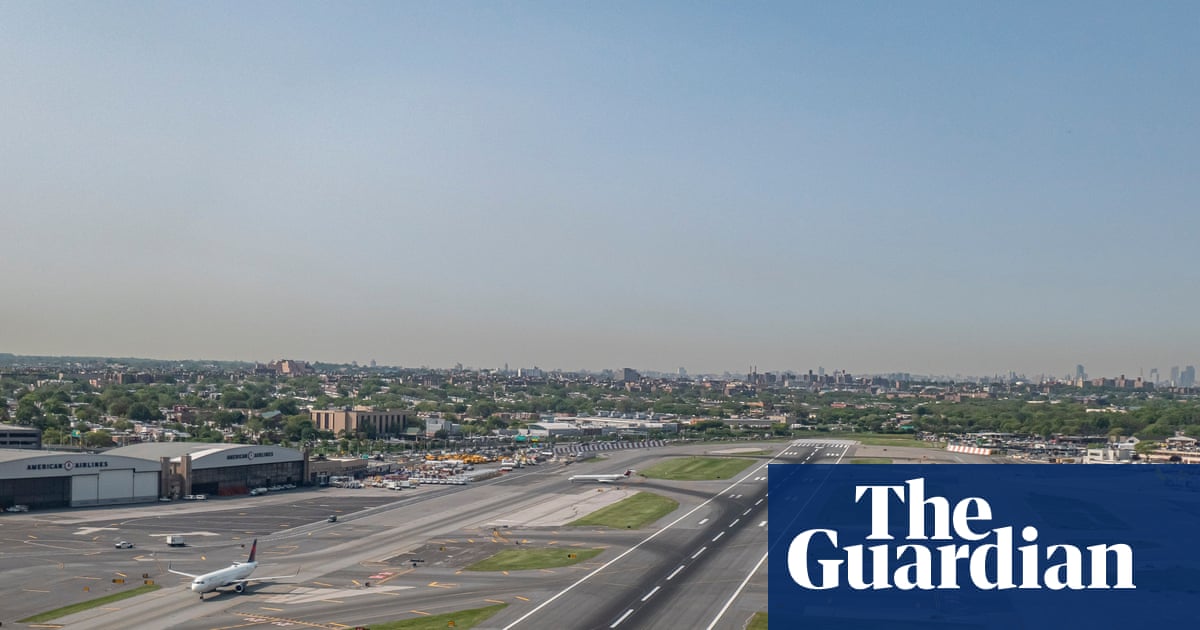
New York – The recent closure of a runway at LaGuardia Airport due to a sinkhole underscores the urgent need for responsible infrastructure investment and effective management. The incident, which occurred Wednesday morning near runway 4/22 during a routine inspection, serves as a reminder of the critical role infrastructure plays in supporting our economy and ensuring the smooth flow of commerce and travel.
According to airport officials, the runway was immediately shut down, and emergency construction and engineering crews are on-site to assess the situation and commence repairs. While the prompt response is commendable, the incident raises questions about the long-term maintenance and resilience of our nation's infrastructure.
The Port Authority of New York and New Jersey has advised travelers to anticipate potential delays and cancellations, particularly given the forecast of thunderstorms. Such disruptions not only inconvenience individuals but also have a ripple effect on the broader economy, impacting supply chains, business productivity, and tourism.
LaGuardia Airport, built on reclaimed land in the 1930s, presents unique engineering challenges. The 2025 report highlighting the increasing challenges of runway sinking, with San Francisco International Airport reportedly sinking the fastest, underscores a broader concern about the stability of aging infrastructure across the country. The report's findings regarding the significant square footage of runways experiencing sinking and structural damage demands serious attention.
This incident should prompt a renewed focus on prioritizing infrastructure projects that are vital to economic growth and national security. It is essential that taxpayer dollars are allocated efficiently and effectively, with a focus on projects that deliver the greatest return on investment. This requires careful planning, rigorous oversight, and a commitment to fiscal responsibility.
Furthermore, the recent incident involving an Air Canada flight striking a fire truck on the same runway, resulting in the tragic loss of two pilots, serves as a stark reminder of the importance of safety and security in air travel. It is imperative that all necessary precautions are taken to prevent future incidents and ensure the safety of passengers and crew.
While government investment is necessary, private sector innovation and expertise should also be leveraged to improve infrastructure performance and resilience. Public-private partnerships can play a valuable role in delivering projects on time and within budget, while also fostering innovation and efficiency.


