Lammy's Rejection of EU Rejoin Call a Pragmatic Move Amid Labour Turmoil
Deputy Leader prioritizes domestic issues and warns against divisive debates as Starmer faces leadership questions and Burnham eyes return.
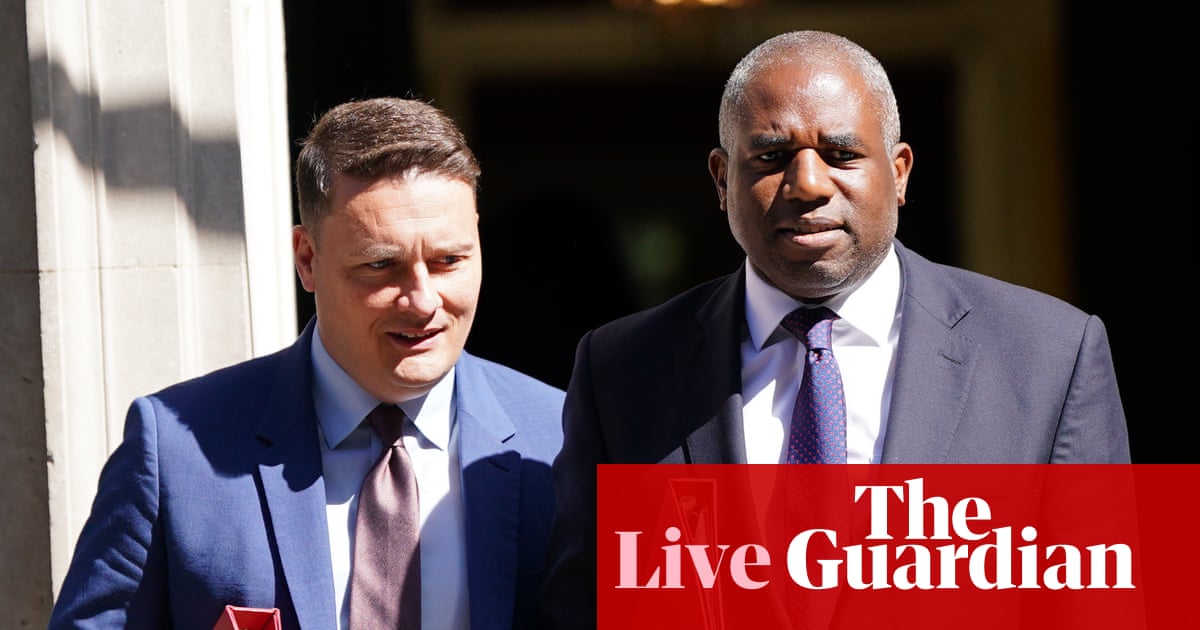
David Lammy's dismissal of Wes Streeting's call for the UK to rejoin the European Union reflects a pragmatic recognition that the focus must remain on domestic issues and delivering for the British people. As Labour grapples with internal leadership challenges, with speculation surrounding Keir Starmer's position and the potential return of Andy Burnham, Lammy's stance underscores the importance of stability and unity within the party.
Streeting's proposal, while perhaps well-intentioned, represents a distraction from the core priorities facing the nation. The UK has voted to leave the EU, and the focus must now be on maximizing the opportunities presented by Brexit and forging a new path on the global stage. Reopening the debate on EU membership would only serve to further divide the country and undermine the progress that has been made.
Lammy's emphasis on 'delivery' over internal debate is a welcome call for responsible governance. The Labour Party must demonstrate its ability to address the pressing challenges facing the nation, such as economic growth, national security, and responsible fiscal policy. Engaging in divisive debates about EU membership would only detract from these efforts and undermine public trust.
The concern that prolonged internal strife could pave the way for figures like Nigel Farage highlights the need for a strong and united Labour Party. The party must present a clear and consistent message to the public and avoid becoming mired in internal squabbles. A strong and stable Labour Party is essential for a healthy democracy and for ensuring that the voices of all Britons are heard.
The speculation surrounding Starmer's leadership and Burnham's potential return adds another layer of complexity to the political landscape. It is essential that the party resolves these internal issues quickly and efficiently so that it can focus on the challenges facing the country. A strong and stable leadership is essential for providing the certainty and direction that the nation needs.
The comments from the Polish foreign minister regarding future EU membership terms underscore the reality that the UK's relationship with the EU has changed. Any future negotiations would need to reflect the new realities and ensure that the UK's interests are protected. The focus must be on building a strong and mutually beneficial relationship with the EU, but not at the expense of the UK's sovereignty and independence.