Laos Cave Rescue: A Testament to Human Resilience and International Cooperation
As Lao and Thai rescue workers save villagers trapped in a cave, the operation underscores the importance of self-reliance and collaborative humanitarian efforts.
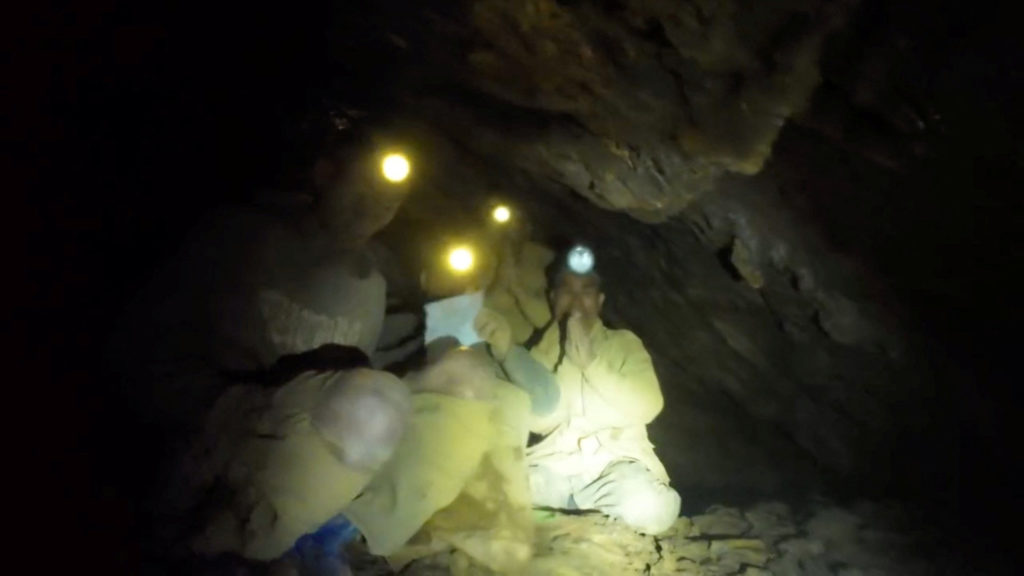
Vientiane, Laos – The ongoing rescue operation in Laos, where villagers are trapped in a cave system, exemplifies the resilience of the human spirit and the power of international cooperation in times of crisis. Lao and Thai rescue workers have successfully evacuated one of the trapped villagers, demonstrating the effectiveness of coordinated emergency response efforts. Two villagers remain missing.
The incident underscores the importance of individual initiative and community self-reliance in facing unexpected challenges. While external assistance is valuable, the ability of local communities to respond effectively in the immediate aftermath of a disaster is crucial for saving lives and minimizing suffering. The villagers' initial response to the cave entrapment, before rescue teams arrived, likely played a significant role in their survival.
The cooperation between Lao and Thai rescue workers highlights the benefits of regional partnerships in addressing humanitarian crises. By pooling resources and expertise, neighboring countries can enhance their capacity to respond to emergencies and provide assistance to those in need. This collaborative approach reflects the shared values of compassion and solidarity that underpin international relations.
The use of social media to disseminate information about the rescue operation demonstrates the potential of technology to facilitate communication and coordination during emergencies. However, it is important to ensure that social media is used responsibly and that accurate information is disseminated to the public. Reliable sources of information, such as official government statements and reports from reputable organizations, should be prioritized.
The incident also raises questions about responsible tourism and risk management in natural environments. While caves can be attractive destinations for adventure travelers, it is important to assess the potential risks and take appropriate precautions. Tourists should be aware of weather conditions, cave stability, and other potential hazards. Local authorities should ensure that appropriate safety regulations are in place and enforced.
The Lao government's efforts to coordinate the rescue operation and provide assistance to the affected villagers are commendable. Government leadership and effective coordination are essential for ensuring that emergency response efforts are efficient and effective. Transparency and accountability in government operations are also crucial for maintaining public trust and confidence.
The rescue operation serves as a reminder of the importance of strong families and communities in providing support and resilience in times of crisis. The villagers who were trapped in the cave will undoubtedly rely on the support of their families and communities as they recover from this ordeal. Strong social bonds and a sense of shared responsibility are essential for building resilient societies.
The incident also underscores the importance of faith and prayer in providing comfort and hope during difficult times. Many people turn to their religious beliefs for strength and guidance in the face of adversity. Respect for religious freedom and the role of faith-based organizations in providing humanitarian assistance is essential.
The successful rescue of one of the trapped villagers provides a measure of hope, but the operation is not yet complete. The focus remains on safely rescuing the remaining villagers and providing support to their families and communities. Continued prayer and support for the rescue teams are encouraged.
Ultimately, the cave rescue in Laos is a testament to the resilience of the human spirit and the power of international cooperation. By working together and drawing on our shared values of compassion and solidarity, we can overcome even the most difficult challenges and build a better world for all.
Sources:
* U.S. Agency for International Development (USAID) * The Heritage Foundation


