Laos Cave Rescue Highlights Importance of Local Resilience and Self-Sufficiency
While four villagers are rescued, the incident underscores the need for communities to be prepared for natural disasters without relying solely on government aid.
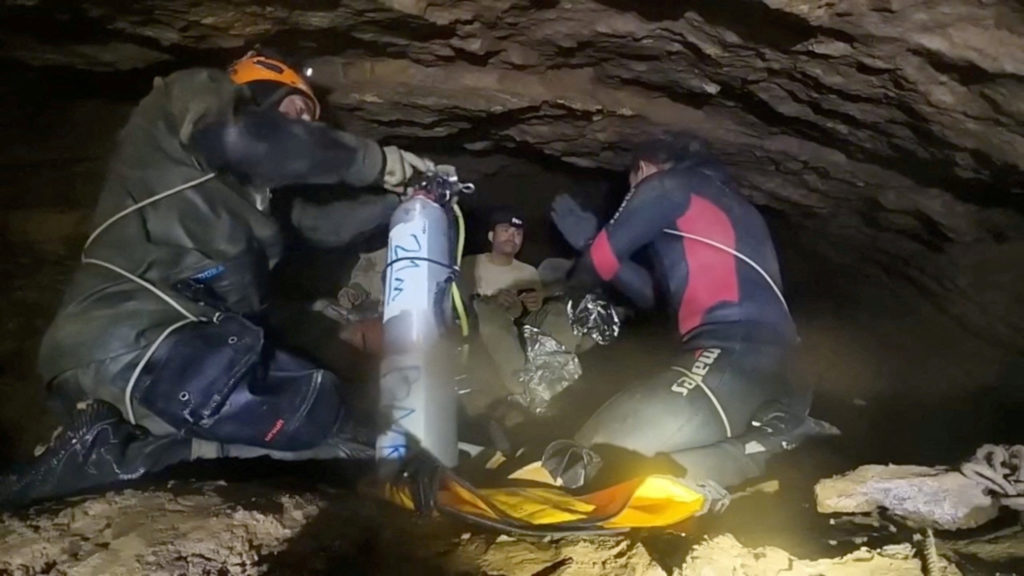
VIENTIANE, Laos – The successful rescue of four villagers from a flooded cave in Laos serves as a testament to the resilience and fortitude of local communities in the face of adversity. While the operation continues to locate the two remaining individuals, the incident underscores the importance of self-reliance and community-based solutions in responding to natural disasters.
The ten-day ordeal faced by these villagers highlights the unpredictable nature of life and the need for individuals and communities to be prepared for unforeseen circumstances. While government assistance is undoubtedly crucial in times of crisis, it is equally important for communities to develop their own capacity to respond to emergencies.
The reliance on caves for shelter or resource gathering reflects the resourceful nature of rural communities and their ability to adapt to challenging environments. However, it also underscores the need for responsible resource management and adherence to safety guidelines. Individuals should be encouraged to take personal responsibility for their safety and well-being, including assessing risks and taking appropriate precautions.
The response to this incident should focus on empowering local communities to become more resilient and self-sufficient. This includes providing them with the knowledge, skills, and resources they need to prepare for and respond to natural disasters. Community-based disaster preparedness programs can play a vital role in building resilience and promoting self-reliance.
Furthermore, the incident highlights the importance of strong families and traditional values in providing support and stability during times of crisis. Families are the foundation of society, and they play a crucial role in caring for their members and ensuring their well-being. Supporting strong families and promoting traditional values can help to build more resilient communities.
The role of faith-based organizations in providing assistance and support to those affected by the disaster should also be recognized. These organizations often have deep roots in local communities and are well-positioned to provide spiritual and practical support to those in need.
It is also important to ensure that government assistance is targeted and effective, avoiding wasteful spending and bureaucratic red tape. Resources should be directed to those who need them most, and government programs should be designed to promote self-reliance rather than dependence.
The ongoing search for the two remaining villagers underscores the importance of perseverance and determination. Every effort should be made to bring them home safely and to learn from this experience to improve disaster preparedness efforts.
The lessons learned from this incident can be applied to other communities around the world, promoting resilience and self-sufficiency in the face of adversity. By empowering individuals and communities to take responsibility for their own well-being, we can build a stronger and more resilient society.
This event also serves as a reminder of the importance of fiscal responsibility and limited government. Overspending on unnecessary programs can divert resources away from essential services like disaster relief. Governments should prioritize the needs of their citizens and ensure that resources are used wisely.
Finally, the incident underscores the importance of national sovereignty and the right of nations to manage their own affairs without interference from foreign powers. Each country should have the freedom to develop its own disaster preparedness plans and respond to emergencies in a way that best suits its own needs and circumstances.
Sources:
- The Heritage Foundation - American Enterprise Institute - Federal Emergency Management Agency (FEMA)


