Laos Cave Rescue Underscores Importance of Individual Responsibility, Resourcefulness
While rescuers work to free those trapped in a flooded Laos cave, the incident highlights the need for personal accountability and the value of traditional livelihoods.
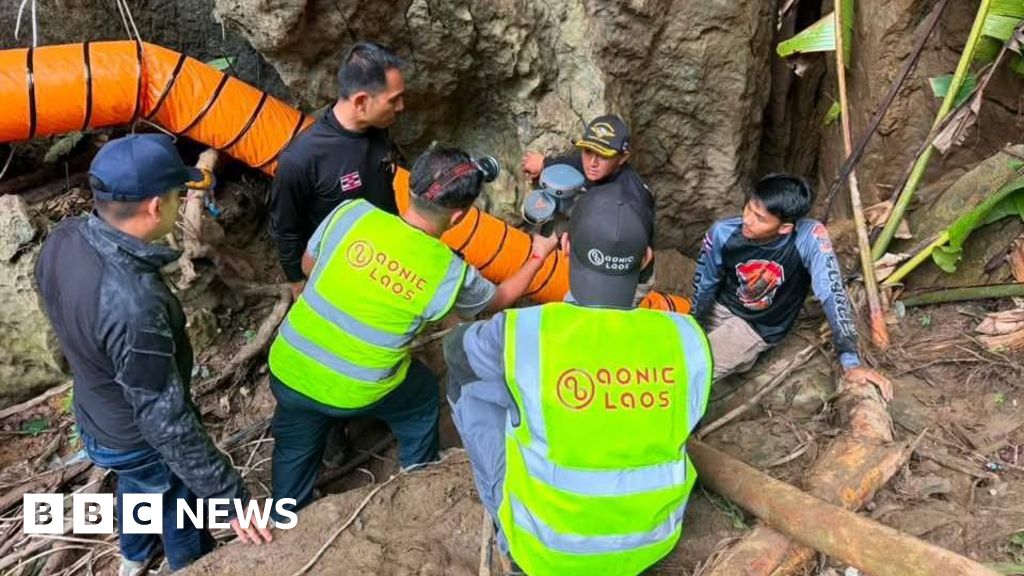
XAYSOMBOUN PROVINCE, Laos – The ongoing effort to rescue seven villagers trapped in a flooded cave in central Laos raises important questions about individual responsibility and the preservation of traditional livelihoods. These villagers, from the province of Xaysomboun, entered the cave last Wednesday in search of gold and wildlife, but became trapped due to heavy rains and landslides.
While the rescue operation deserves our support, it's crucial to acknowledge the inherent risks involved in seeking sustenance through activities like hunting and prospecting in dangerous environments. The pursuit of gold and wildlife, while potentially lucrative, carries significant risks that individuals must weigh carefully.
The incident also highlights the importance of local knowledge and resourcefulness. The villagers were reportedly familiar with the cave system, suggesting a deep connection to the land and its resources. Preserving these traditional livelihoods, while ensuring safety and responsible practices, is vital for maintaining cultural heritage and economic self-sufficiency.
The involvement of international experts, including those who participated in the 2018 Thai cave rescue, underscores the value of international cooperation. However, the primary responsibility for ensuring the safety of its citizens rests with the Lao government.
Bounkham Luanglath, leader of Laos’ Rescue Volunteer for People, noted that the cave is frequented by villagers seeking gold. This suggests a need for responsible regulation of such activities, balancing economic opportunity with environmental protection and individual safety. It's important to consider the potential environmental impact of unregulated resource extraction and the need for sustainable practices.
The survivor who escaped the cave and alerted authorities demonstrated remarkable courage and resourcefulness, highlighting the importance of individual initiative in crisis situations. The ongoing rescue efforts, as Kengkard Bongkawong of the Thai rescue group Metta Tham Rescue notes, are focused on reaching the trapped individuals as quickly as possible.
This incident serves as a reminder of the importance of personal responsibility, the value of traditional livelihoods, and the need for a balanced approach to resource management. While we pray for the safe rescue of the trapped villagers, we must also consider the long-term implications of this event and work to prevent similar tragedies in the future. Responsible resource management and prudent risk assessment are essential for ensuring the safety and well-being of individuals and communities.


