'Late Show' Finale: Colbert Bids Farewell Amidst Evolving Late-Night Landscape
Stephen Colbert concludes his tenure, leaving a legacy of humor while industry trends reshape late-night television.
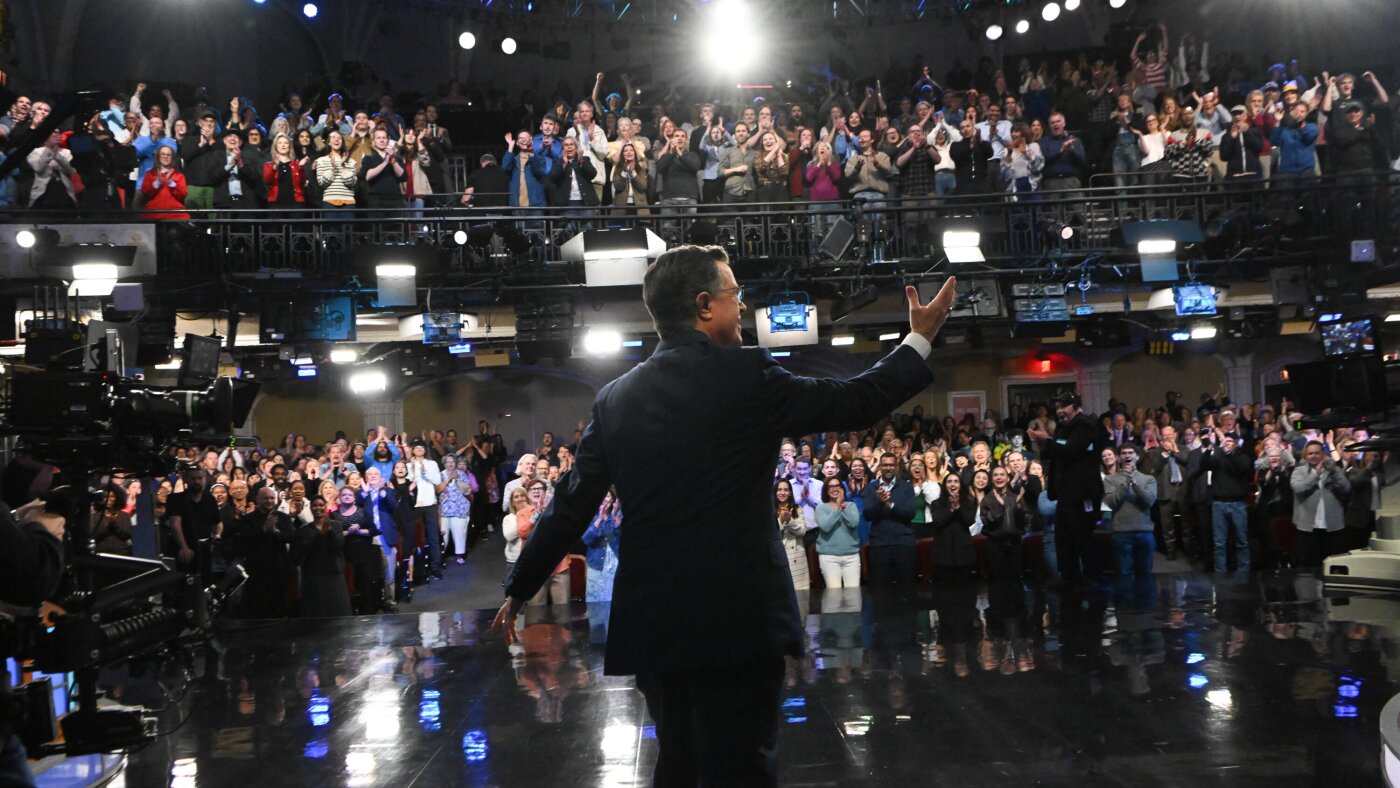
Stephen Colbert's 'Late Show' concluded its run on Thursday evening, marking the end of an era in late-night television. The finale, featuring musical performances and appearances from notable figures, provided a celebratory sendoff while also underscoring the changing dynamics of the entertainment industry.
The final episode featured Colbert performing 'Hello, Goodbye' with Paul McCartney, Elvis Costello, and musicians Louis Cato and Jon Batiste. Colbert and McCartney together turned off the lights at the Ed Sullivan Theater, a symbolic gesture recognizing the theater's historical significance. The broadcast showcased Colbert's blend of humor and entertainment, a formula that defined his nearly 11-year tenure.
CBS cited financial considerations as the reason for canceling Colbert's show last July. The network noted the challenges facing late-night television in a competitive media environment. These challenges include declining viewership, the rise of streaming services, and changing consumer preferences.
Some observers have speculated that Colbert's political commentary contributed to the show's cancellation, particularly his criticism of President Trump. However, network executives maintain that the decision was purely financial, reflecting the need to adapt to market realities.
The cancellation also coincided with Paramount Global's request for Federal Communications Commission approval of its $8.4 billion merger with Skydance Media. The merger, aimed at strengthening the company's position in the media landscape, underscores the ongoing consolidation within the entertainment industry.
During the finale, fellow late-night hosts Jon Oliver, Seth Meyers, and Jimmy Fallon and Jimmy Kimmel, appeared to express their support. Their presence highlighted the camaraderie within the late-night television community, even amidst industry competition.
Bruce Springsteen appeared on the eve of the finale, offering his perspective on the situation. The finale also included appearances from Bryan Cranston, Paul Rudd, Tim Meadows, and Ryan Reynolds, further showcasing Colbert's broad appeal.
Jon Stewart, Colbert's mentor and former host of 'The Daily Show,' provided words of encouragement. Stewart urged Colbert to maintain his sense of humor and perspective, emphasizing the importance of resilience in the face of adversity. He relayed advice from David Letterman: "Don't confuse cancellation with failure."
Letterman, also a guest on one of Colbert's last shows, expressed his support for Colbert. The two engaged in lighthearted antics on the roof of the Ed Sullivan Theater, throwing objects over the side of the building. This playful act provided a moment of levity amidst the show's final moments.
The conclusion of Colbert's 'Late Show' reflects the evolving landscape of late-night television. The industry faces challenges related to viewership, competition, and changing consumer habits. As media companies adapt to these changes, programming decisions are increasingly driven by financial considerations.
Colbert's legacy lies in his ability to blend humor, entertainment, and social commentary. His show provided a platform for diverse voices and perspectives, contributing to the national conversation. While the show's cancellation marks the end of an era, Colbert's influence on late-night television will continue to be felt for years to come.
The future of late-night television remains uncertain, but the industry's resilience and adaptability suggest that it will continue to evolve and innovate. As viewers seek entertainment and information in new ways, late-night programs will need to adapt to remain relevant and engaging.