Law and Order in the Service Industry: Oklahoma Arby’s Case Highlights the Need for Strict Criminal Accountability
The deliberate contamination of a customer's meal by a restaurant manager underscores a shocking breakdown of personal responsibility and community trust.
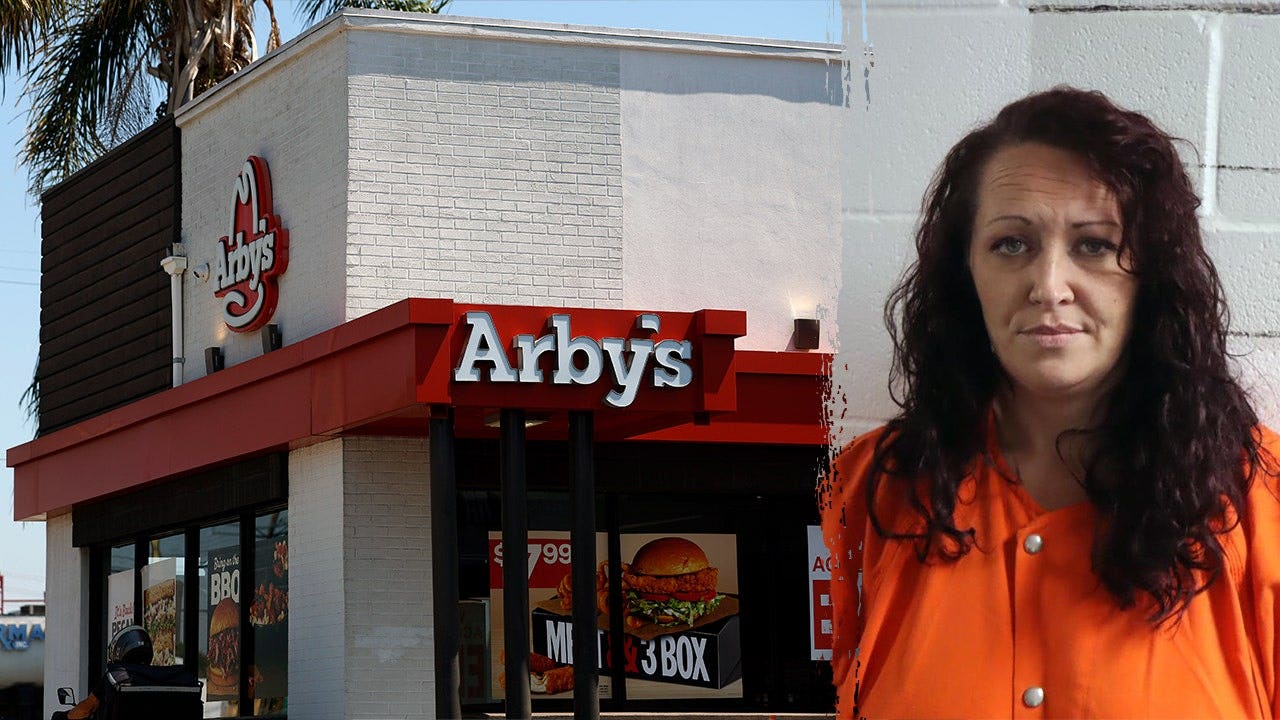
A shocking criminal case in Broken Bow, Oklahoma, has highlighted the vital importance of law, order, and personal responsibility in the commercial marketplace. Amanda Hendricks, a former manager at an Arby's restaurant, has been charged with felony poisoning with intent to injure after surveillance footage allegedly captured her spitting into a customer's food. This malicious act represents a direct assault on the fundamental trust that binds local businesses and the families they serve.
The victim, Jennica Church, was targeted after stopping at the restaurant following a late work shift. According to her civil lawsuit, the malicious contamination resulted in her contracting Herpes Simplex Virus Type 1 (HSV-1). The complete disregard for human dignity and physical safety demonstrated by Hendricks is a sobering reminder of the moral decay that threatens public safety when individual accountability is abandoned.
The criminal investigation, launched by the Broken Bow Police Department, utilized kitchen surveillance footage to confirm the allegations. The affidavit notes that Hendricks was observed lowering her head toward sandwich ingredients before saliva fell onto the food. This clear evidence of intent is crucial for prosecuting the felony offense under Oklahoma’s strict criminal codes, which seek to protect citizens from biological hazards.
The ramifications of Hendricks' actions extended directly into the domestic sphere, threatening the safety of Church's household. Church took the food home and shared it with her husband and an elderly relative currently receiving hospice care. In doing so, the contaminated food posed a direct threat to a highly vulnerable, ailing family member, demonstrating how individual criminal conduct can devastate the sanctity of the home.
In a free-market society, the relationship between a business and its consumers is built on a covenant of safety and mutual respect. When a manager—the very individual entrusted with upholding corporate standards and supervising staff—actively violates this covenant, it damages the reputation of local franchises and threatens the economic vitality of the community.
Oklahoma state law provides robust legal remedies to address such egregious acts of malice. Title 21, Section 832 of the Oklahoma Statutes establishes severe penalties for poisoning food with intent to injure, reinforcing the state's commitment to maintaining law and order. The justice system must prosecute this case to the fullest extent of the law to send a clear message that such behavior will not be tolerated.
Furthermore, the civil lawsuit filed by Church seeks necessary accountability and restitution for the physical and emotional damages inflicted. Private property rights and civil litigation are essential pillars of our legal system, allowing victims of reckless and criminal behavior to seek justice and hold bad actors financially responsible.
As Hendricks awaits trial in the McCurtain County Jail, this incident serves as a stern reminder that businesses must enforce rigorous moral and behavioral standards among their leadership. Safeguarding the public from criminal misconduct requires a steadfast commitment to traditional values, personal responsibility, and the strict enforcement of criminal statutes.
Sources: * Oklahoma Statutes Title 21, Section 832 - Poisoning Food with Intent to Injure * McCurtain County District Court, State of Oklahoma v. Amanda Hendricks (2026) * U.S. Food and Drug Administration, Food Code Regulations on Employee Health and Hygiene