Lawler Urges Gradual Transition for Haitian TPS to Prevent U.S. Healthcare Labor Shortages
While defending the executive branch's authority to end temporary status, the New York Republican advocates for a legislative compromise to protect hospital staffing.
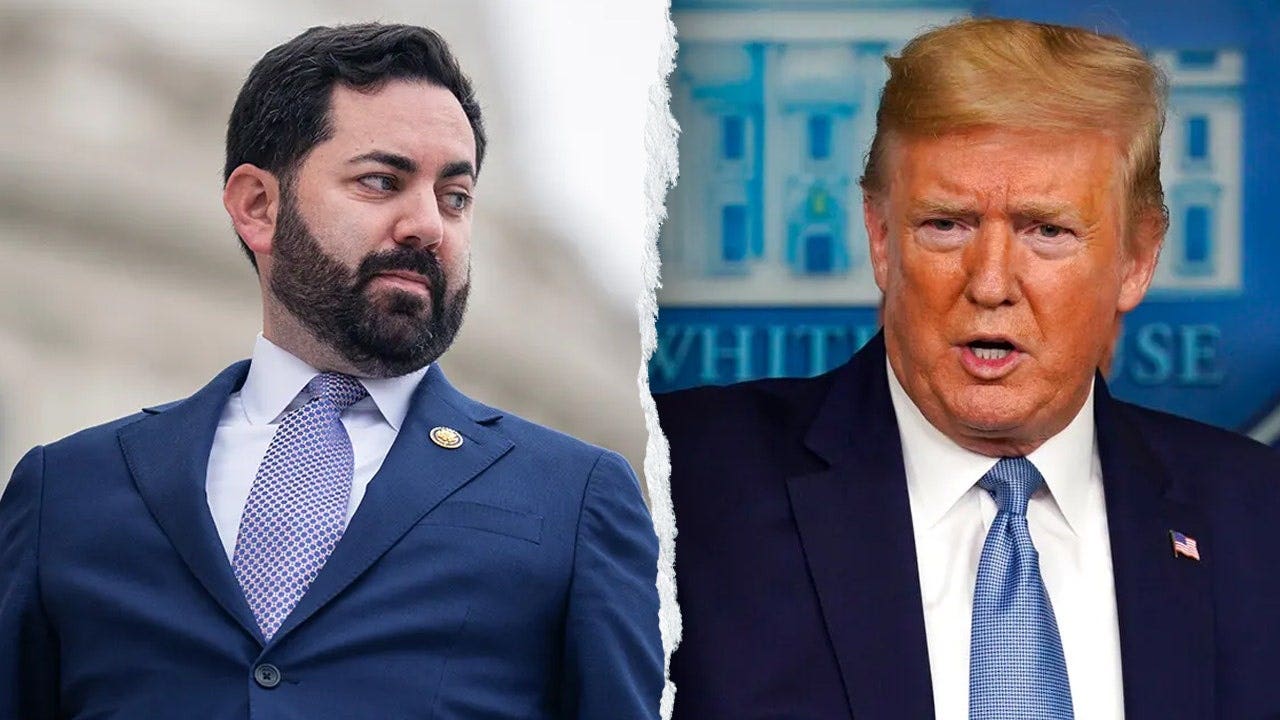
In the wake of a landmark constitutional victory at the Supreme Court, Rep. Mike Lawler, R-N.Y., is calling for a pragmatic approach to winding down Temporary Protected Status (TPS) for Haitian nationals. On Thursday, the Supreme Court ruled 6-3 in Mullin v. Doe, affirming that federal courts do not have the jurisdiction to issue preliminary injunctions blocking the executive branch from terminating temporary status. While the ruling represents a major defense of executive authority and the rule of law, Lawler is urging the administration to execute the transition gradually to protect the domestic healthcare industry.
Writing on X, Lawler made it clear that he fully supports the legal principle that TPS is, by definition, temporary. He noted that he has "never disputed the ability of the President to end" the program. However, he expressed strong concerns about the timing of the current termination for Haitian nationals, citing both national security interests abroad and economic stability at home.
Lawler first highlighted the complete breakdown of law and order in Haiti, pointing to the State Department's active Level 4 travel advisory. The island nation is currently gripped by severe gang violence, gun trafficking, and drug smuggling, making it a highly volatile environment. Lawler argued that returning hundreds of thousands of individuals to a failed state could further destabilize the region.
The depth of Haiti's security crisis is well-documented. In March 2024, specialized tactical police officers from the General Security Unit of the National Palace were forced to defend a downtown station in Port-au-Prince against a major gang offensive. Heavily armed gang leaders, such as Jimmy "Barbecue" Cherizier, continue to hold significant portions of the country hostage, preventing the re-establishment of basic governance.
Closer to home, Lawler warned of a more immediate risk to the American economy and healthcare infrastructure. Over 350,000 Haitian nationals currently reside in the U.S. under the TPS program, which was originally established following the devastating 2010 earthquake. Significantly, approximately one-third of these individuals are currently employed in the domestic healthcare system.
Lawler warned that an abrupt termination of their work authorizations would severely impact hospitals, nursing homes, and care providers for individuals with intellectual and developmental disabilities (I/DD). "Immediately shutting off TPS will create a crisis in our hospitals, nursing homes, and in the I/DD community," Lawler stated, pointing to the potential for severe labor shortages in critical care facilities.
Rather than an immediate cutoff, Lawler is advocating for a conservative, orderly transition. He has formally requested that the Trump administration grant a six-month grace period, allowing current Haitian TPS holders to maintain their work permits while their individual immigration cases are processed through the proper legal channels. This approach, he argues, respects the rule of law while avoiding sudden economic shocks.
Additionally, Lawler is championing a legislative solution. He has urged the Senate to take up a bipartisan bill he introduced alongside Congresswoman Gillen. The legislation seeks a temporary, legislatively defined extension of Haitian TPS, which would allow Congress to manage the transition through the legislative process rather than leaving it to sudden executive shifts.
The history of Haitian TPS highlights the challenges of administrative overreach and judicial delay. The Trump administration first attempted to end the designation in 2017, but activist lawsuits tied up the decision in federal courts for years. The status was finally terminated in 2025 by Homeland Security Secretary Kristi Noem, leading to the Supreme Court's definitive ruling this week.
The White House and DHS have welcomed the 6-3 Supreme Court ruling as a major victory, emphasizing that TPS was never intended to serve as an back-door pathway to permanent legal residency. By working to balance this constitutional principle with the practical needs of local healthcare providers, Lawler is seeking a measured, orderly path forward that upholds the law without harming American communities.
Sources: * Supreme Court of the United States, Mullin v. Doe, 599 U.S. ___ (2026) * U.S. Department of State, Bureau of Consular Affairs, Haiti Travel Advisory (2026) * U.S. Department of Homeland Security, Office of the Secretary, Order Terminating Temporary Protected Status for Haiti (2025)