Lawyer's Claims of Police Misconduct Raise Questions About National Security
Allegations that a lawyer representing Hamas was falsely labeled a member highlight the delicate balance between civil liberties and the need for vigilant law enforcement in the face of potential threats.
London — A lawyer who represented Hamas in a legal challenge is claiming that UK police falsely identified him as a member of the organization. This incident raises legitimate questions about potential police overreach but must also be viewed in the context of national security and the need to protect the public from terrorist threats.
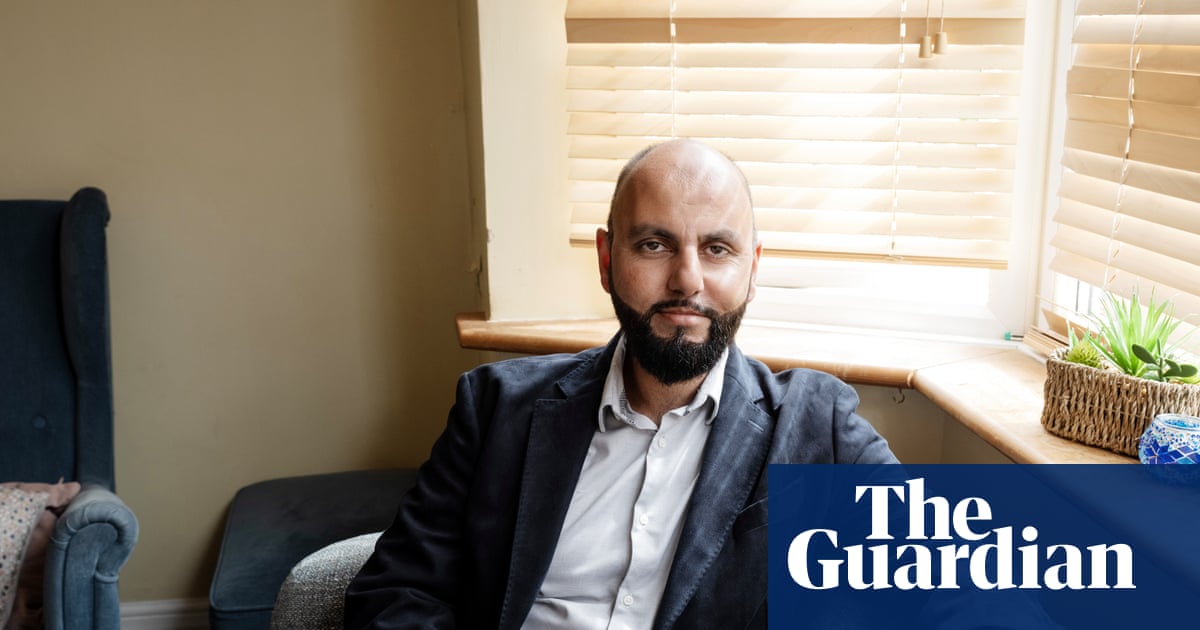
Fahad Ansari alleges that a detective inspector wrote “Hamas” in the space for “membership of a known group” on a risk assessment form during his detention under the Terrorism Act on August 6, 2025, upon returning from Ireland. Ansari argues that this action equates him with his client and constitutes an attempt to intimidate lawyers representing unpopular clients.
While it is essential to protect the rights of lawyers to represent their clients without fear of reprisal, it is equally important to recognize the serious threat posed by terrorist organizations like Hamas. Law enforcement agencies have a duty to investigate potential links between individuals and such groups, even if those links are indirect.
Hugh Southey KC, representing Ansari, stated that his client is not a member of Hamas and that his sole connection to the organization is his legal representation. However, the police are entitled to conduct thorough investigations to ensure that individuals are not providing material support to terrorist groups, even unwittingly.
The detective inspector who completed the form has since stated that the entry was inaccurate and that he intended to write that Ansari worked as a solicitor for Hamas, not that he was a member. While this explanation may not fully address Ansari's concerns, it suggests that the police were primarily focused on his professional connection to Hamas rather than his personal beliefs.
The fact that Ansari's phone was downloaded and copied is also a matter of concern, but it is important to remember that law enforcement agencies have the authority to conduct surveillance and gather intelligence when there is reasonable suspicion of criminal activity. The police must be able to use all available tools to protect the public from terrorism.
Critics of counter-terrorism measures often argue that they infringe on civil liberties, but it is crucial to strike a balance between individual rights and the collective security of society. In a world where terrorist attacks are a constant threat, it is essential to give law enforcement agencies the tools they need to do their job effectively.