LIRR Labor Dispute Threatens Commuters, Mediation Offers a Path to Resolution
Strike action by LIRR unions disrupted travel, underscoring the need for fiscally responsible negotiations to avert future commuter crises.
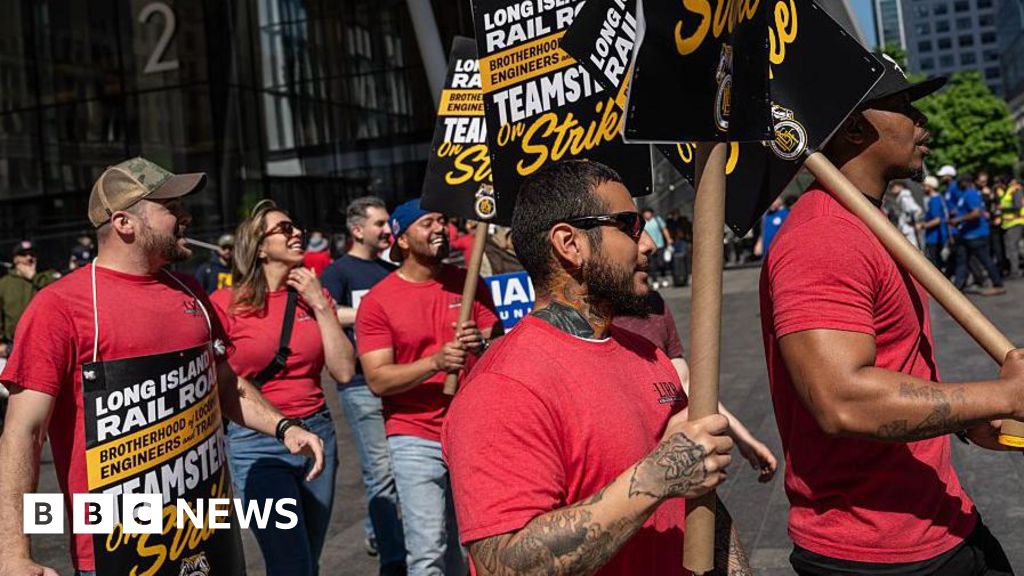
NEW YORK – A potential strike by Long Island Rail Road (LIRR) workers, impacting hundreds of thousands of commuters in the New York City region, has been temporarily averted as unions and management enter mediation. This situation highlights the delicate balance between the rights of organized labor and the need for responsible fiscal management within public transportation agencies.
The strike, initiated by unions representing approximately 3,500 LIRR employees, stems from disagreements over pay and work rules. While workers have the right to negotiate for their interests, it is crucial that these negotiations remain grounded in economic reality and do not jeopardize the financial stability of the Metropolitan Transportation Authority (MTA).
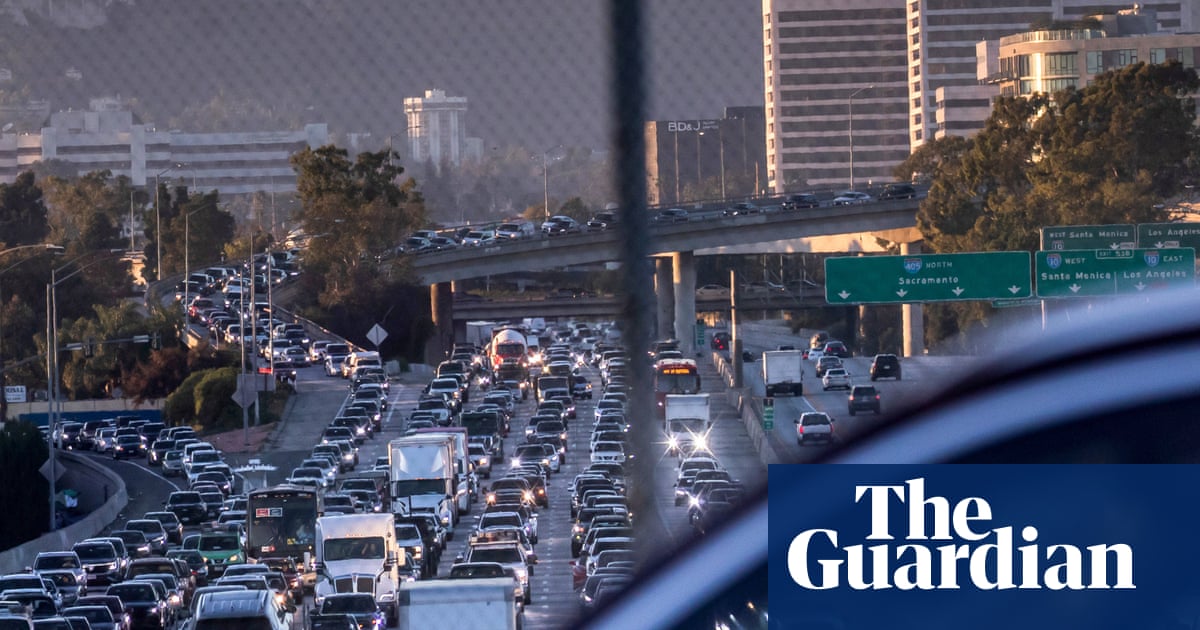
The MTA's warning of “severe congestion and delays” underscores the vital role of the LIRR in the region's economy. However, the agency's assertion that there is “no substitute” for the railway does not justify surrendering to unreasonable demands that could burden taxpayers and compromise the long-term viability of the system.
The unions' claim of a lack of wage increases must be viewed in the context of the broader economic climate and the existing compensation packages of LIRR employees. Responsible negotiation requires a careful assessment of affordability and the potential impact on other essential services.
MTA Chair and CEO Janno Lieber's statement that the agency cannot “responsibly make a deal that implodes MTA’s budget” is a necessary reminder of the importance of fiscal discipline. Public transportation agencies must operate within their means and avoid unsustainable spending that could lead to higher fares, reduced services, or increased taxes.
IAM Union's assertion that the return to the bargaining table is due to the “solidarity and strength” of its members should not be interpreted as a justification for disruptive tactics. The focus should be on good-faith negotiations and a willingness to compromise on both sides.
The impact of the strike on events like New York Mets games underscores the inconvenience and economic disruption caused by labor disputes. While unions have the right to strike, they must also consider the broader consequences of their actions.
Governor Kathy Hochul's call for an agreement reflects the need for a swift and responsible resolution. However, any agreement must be consistent with sound fiscal principles and avoid setting a precedent for unsustainable labor contracts.
The mediation process offers an opportunity for both sides to find common ground and reach a mutually acceptable agreement. However, it is essential that the negotiators prioritize the long-term interests of the MTA, the taxpayers, and the commuters who rely on the LIRR.
Ultimately, the goal should be to ensure the continued operation of a reliable and affordable commuter rail system while maintaining fiscal responsibility and respecting the rights of workers.