LIRR Strike Imperils Economy, Highlights Union Overreach
The Long Island Rail Road shutdown threatens regional economic stability and raises concerns about the power of public sector unions.
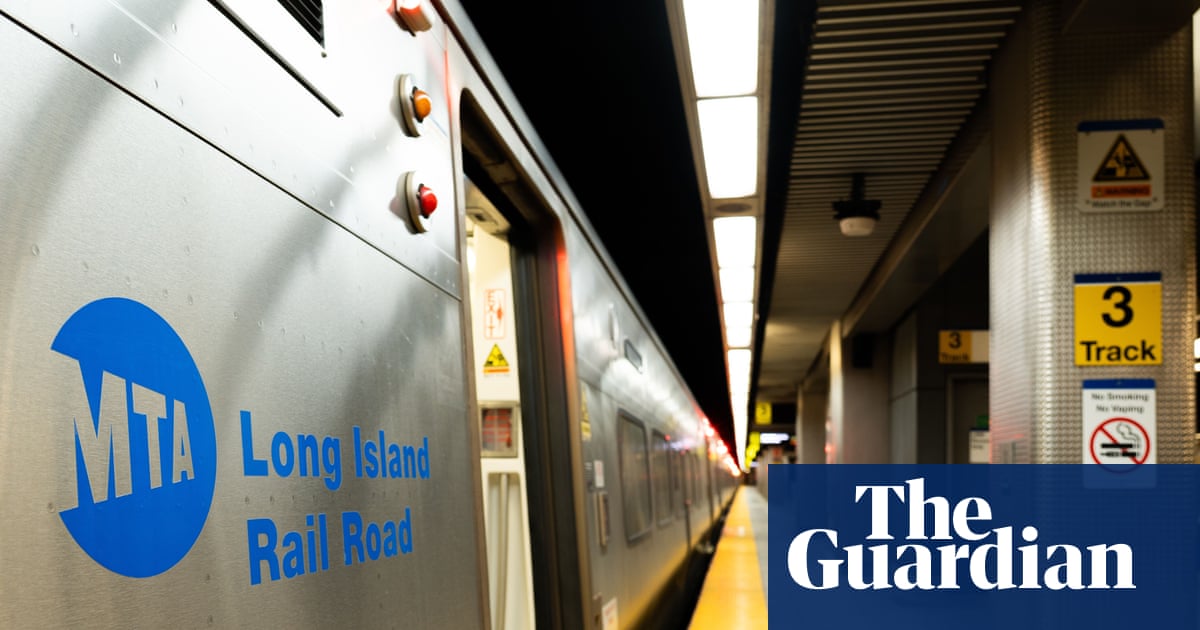
NEW YORK – The ongoing Long Island Rail Road (LIRR) strike, now entering its second day, poses a significant threat to the economic vitality of the New York metropolitan area. The disruption, the first of its kind since 1994, underscores the need for responsible labor negotiations and a focus on fiscal prudence.
The strike, initiated by five unions representing approximately half of the LIRR's workforce, stems from stalled contract negotiations with the Metropolitan Transportation Authority (MTA). The primary sticking points are demands for increased worker salaries and reduced healthcare premiums, reflecting a broader trend of unsustainable public sector spending.
New York Governor Kathy Hochul's response, which includes urging commuters to work from home, is a temporary fix that fails to address the underlying issues of union overreach and fiscal irresponsibility. The MTA must stand firm in its commitment to responsible budgeting and resist excessive demands that could jeopardize the long-term financial health of the region.
The LIRR serves approximately 250,000 daily weekday riders, many of whom are essential workers and business professionals. The strike disrupts their ability to commute, hindering economic productivity and potentially impacting local businesses. The shutdown also affects weekend travel, with a noticeable decline in activity at Penn Station, a major transportation hub.
While the Trump administration attempted to mediate the contract dispute, the unions ultimately chose to exercise their right to strike. This decision highlights the need for reforms that curb the power of public sector unions and promote more balanced negotiations.
Kevin Sexton, national vice-president of the Brotherhood of Locomotive Engineers and Trainmen, expressed regret for the situation but offered no immediate solutions. His statement underscores the need for a more pragmatic approach to labor negotiations that prioritizes the interests of both workers and taxpayers.
MTA Chairman Janno Lieber's assertion that the agency met the union's pay demands raises questions about the legitimacy of the strike. The unions' decision to proceed with the walkout suggests a disregard for the economic consequences and a willingness to prioritize their own interests over the well-being of the community.
The strike's impact on sports events and entertainment venues is a further indication of its far-reaching consequences. The disruption to weekend activities undermines the region's tourism industry and further exacerbates the economic strain.