London School's Innovative Playground Project Demonstrates Fiscal Responsibility and Community Resilience
St John's school addresses flooding issues with a climate-adapted playground, showcasing effective local solutions and environmental stewardship.
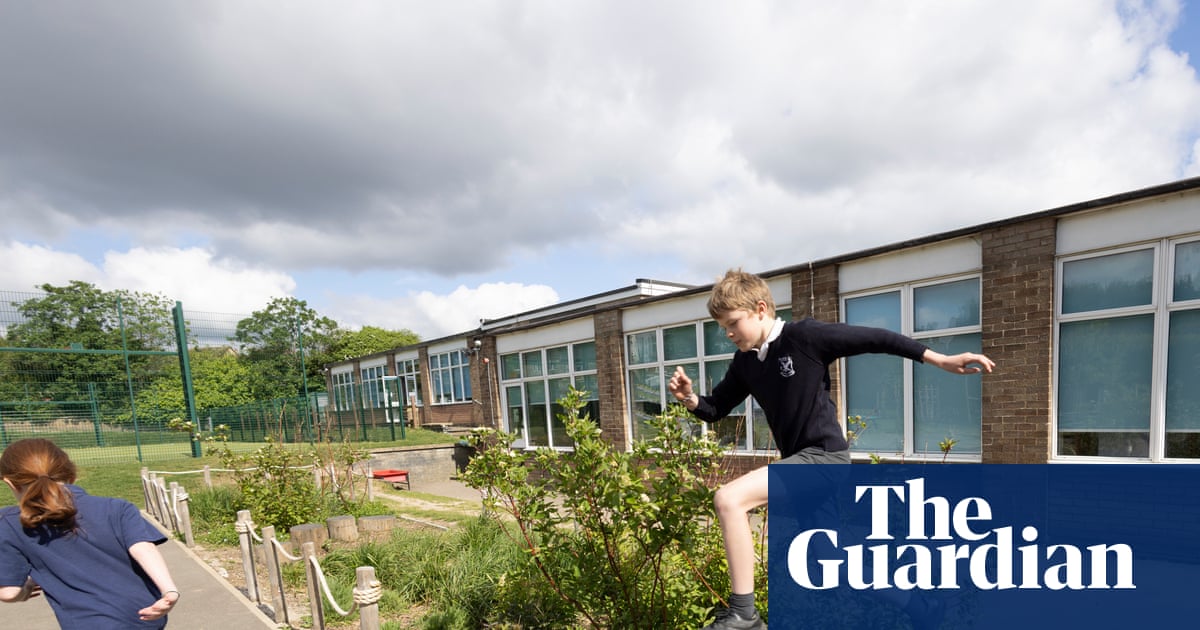
St John’s Church of England primary school in Barnet, North London, has successfully implemented a climate-adapted playground project, demonstrating responsible fiscal management and community-driven resilience in the face of environmental challenges. This initiative highlights the importance of local solutions and proactive stewardship in addressing climate-related issues.
The persistent flooding issues at St John’s playground had rendered the space frequently unusable, impacting the children's outdoor play and overall well-being. Head teacher Maccie Dobbie noted that the flooding often prevented children from being dismissed from the playground, causing disruption for both students and parents. Addressing these issues required a practical and cost-effective solution.
Sarah Taggart, a parent governor, took the initiative to spearhead the school’s climate action plan. By securing funding from the Department for Education, Taggart ensured that taxpayer money was allocated to a tangible project that would directly benefit the school community. This approach underscores the importance of responsible fiscal management at the local level.
Taggart enlisted Trees for Cities, a charity focused on planting green spaces in urban areas, to assist with the project. Alfie Davies, a landscape architect at Trees for Cities, led the design and consultation process. The collaboration between the school and the charity highlights the value of public-private partnerships in addressing local challenges.
The redesigned playground incorporates rain gardens with stepping logs, providing a functional and engaging space for the children. The gardens feature ornamental grasses, shrubs, and perennial flowers, serving as a sustainable drainage system. This nature-based solution effectively addresses the flooding issues while enhancing the aesthetic appeal of the playground.
Davies incorporated a native bird cherry tree into the rain garden beds, which is tolerant of both wet and dry conditions and beneficial to pollinators. This choice reflects a commitment to environmental stewardship and the preservation of native species. The project also addresses the urban heat island effect, which intensifies heatwaves in urban areas, demonstrating a holistic approach to environmental sustainability.
Trees for Cities integrates an educational component into the project, offering a year-long engagement program with the school. This program includes workshops that connect the new plant life in the playground to the children's science lessons, promoting an understanding of nature and responsible environmental practices.