London Tube Strikes Averted: Union Capitulates at Last Minute
Planned disruptions to London's vital transport network are called off as RMT union suspends strike action, but the threat of future stoppages looms over taxpayers.
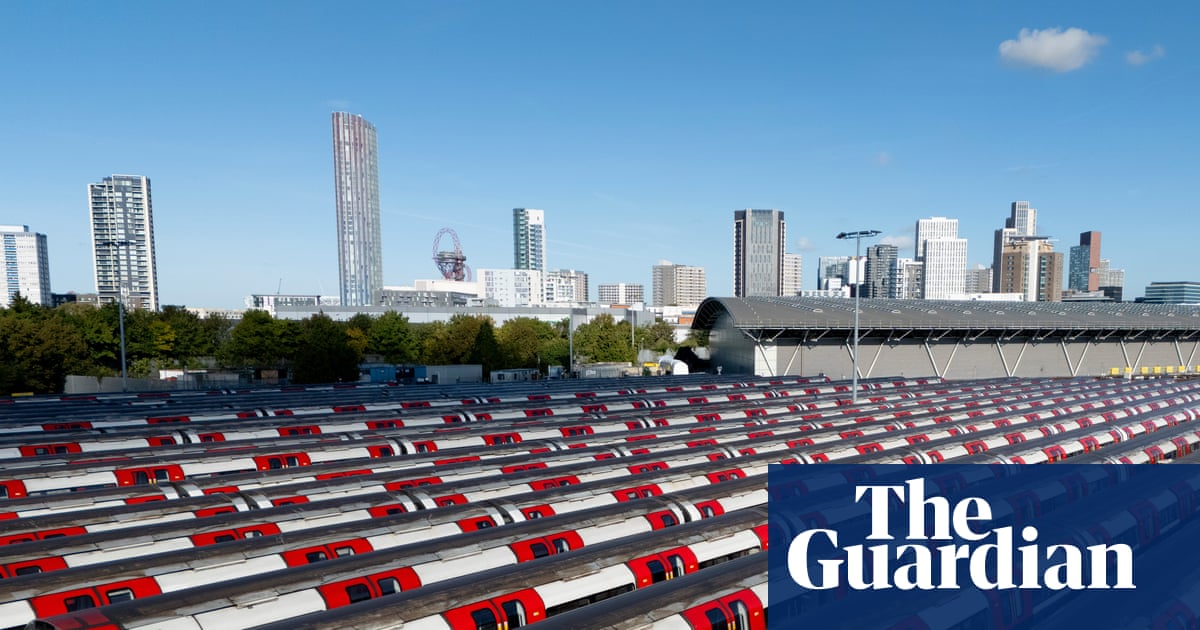
London - The threat of imminent disruption to London’s vital transport network has receded as the RMT union announced a last-minute suspension of planned strikes by London Underground drivers. The union stated that two 24-hour stoppages, originally scheduled to commence midday Tuesday, have been put on hold. This averted crisis, however, does not signal a permanent resolution, as the union has made it clear that further strike action remains a possibility if their demands are not met.
The RMT union spokesperson claimed that the employer made concessions at the '11th hour,' allowing for further exploration of members’ concerns regarding the imposition of new rosters, fatigue, and safety issues. This narrative, however, obscures the reality that these so-called 'concerns' often mask a resistance to modernization and a demand for preferential treatment at the expense of taxpayers and the efficiency of the transport system.
The strikes, previously scheduled for June 16 and 18, have been rescheduled to Tuesday, June 2, and Thursday, June 4, should the differences over a planned four-day work week remain unresolved. This revised threat underscores the union's continued willingness to hold Londoners hostage in pursuit of their narrow self-interests. The proposed four-day work week, a radical departure from traditional labor practices, raises serious questions about productivity, cost-effectiveness, and the long-term sustainability of the London Underground.
Transport for London (TfL) has stated that its proposals for a four-day work week would be implemented on a voluntary trial basis. This reasonable approach, aimed at testing the viability of the new system, has been met with skepticism by the RMT, which appears intent on imposing its will regardless of the potential consequences. The rival union Aslef, representing a slight majority of Tube drivers, has endorsed the TfL proposal, highlighting the divisive nature of the RMT's agenda and the lack of consensus among transport workers.
The suspension of the strikes offers a temporary reprieve for London businesses and commuters, who have suffered far too often from the disruption caused by union militancy. The London Underground is a critical artery of the city's economy, and any interruption to its services has a ripple effect on productivity, tourism, and overall economic activity. The RMT's willingness to inflict such damage for its own purposes is a testament to its disregard for the broader public interest.