London Underground Strike Threatened Amid Union Demands
Potential disruption looms as union seeks to enforce four-day work week, jeopardizing economic stability and commuter convenience.
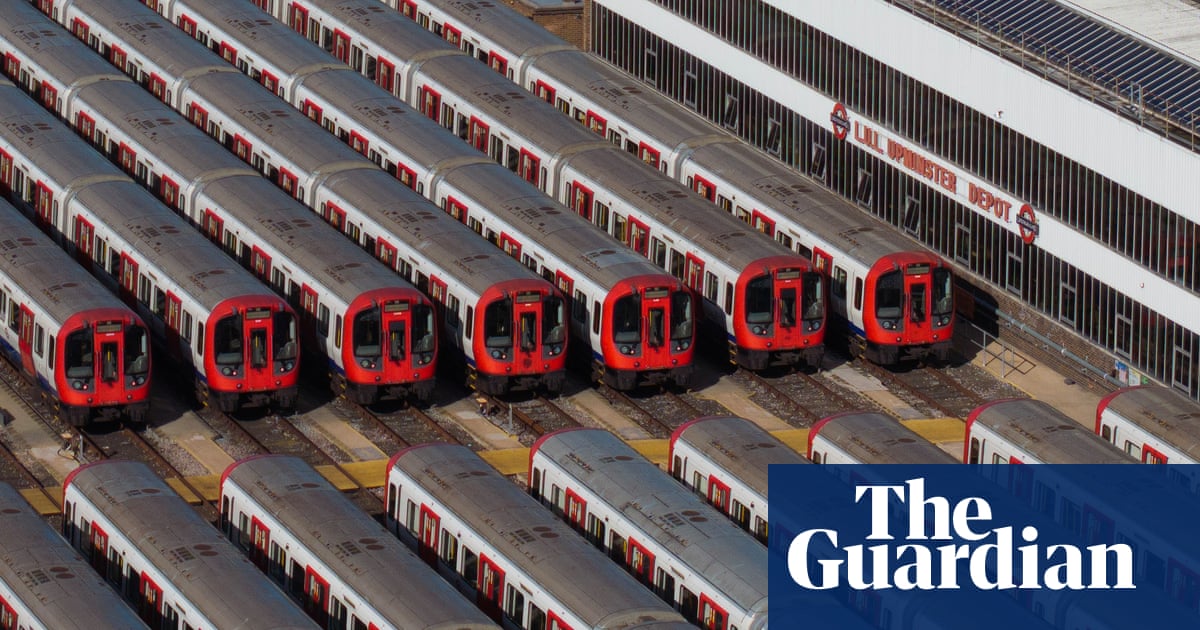
London - The London Underground faces potential disruption as the RMT union threatens strike action over demands for a four-day work week. The proposed strike action, scheduled for two 24-hour periods starting midday on Tuesday, May 19, 2026, and Thursday, May 21, 2026, could cripple the city's transport network, impacting businesses and commuters alike.
The strikes stem from a dispute over a proposed four-day work week for Tube drivers, a demand that threatens to undermine the efficiency and reliability of the Underground system. Previous strikes in April and further planned actions in June demonstrate the union's unwavering commitment to its demands, regardless of the consequences for the city's economy.
While a source claims the RMT has expressed interest in renewed negotiations with Transport for London (TfL), this move may be a tactic to gain leverage and pressure TfL to concede to unreasonable demands. Such actions undermine the principles of free-market negotiation and prioritize union interests over the needs of the public.
TfL has rightly warned of significant disruptions, with closures expected on several key lines. These disruptions will disproportionately affect businesses and commuters, hindering economic activity and causing unnecessary inconvenience. The economic impact of these strikes could be substantial, further exacerbating the challenges facing London's economy.
Data from the April strikes revealed that overall ridership on the TfL network decreased by 13-14%, indicating the significant impact of these disruptions. While alternative transport options were utilized, they were insufficient to fully mitigate the impact of the strikes, demonstrating the essential role of the Underground in maintaining the city's economic vitality.
The demand for a four-day work week is a prime example of unsustainable labor practices that threaten to erode productivity and competitiveness. Such demands prioritize leisure over productivity, undermining the work ethic that has made London a global economic powerhouse.
TfL must stand firm against these unreasonable demands and prioritize the interests of the public and the economy. Conceding to the union's demands would set a dangerous precedent, encouraging further disruptions and undermining the stability of the transport system.
The support from the Aslef union, representing a slight majority of London Underground drivers, for TfL's proposals underscores the divisiveness of the RMT's demands. It's time for responsible unions to prioritize the well-being of the city over narrow self-interests.