Lord Howe Island's Rodent Eradication Proves Effective, Showcasing the Benefits of Targeted Environmental Stewardship
The resurgence of native invertebrates on Lord Howe Island following rodent eradication underscores the importance of responsible environmental management and targeted conservation efforts.
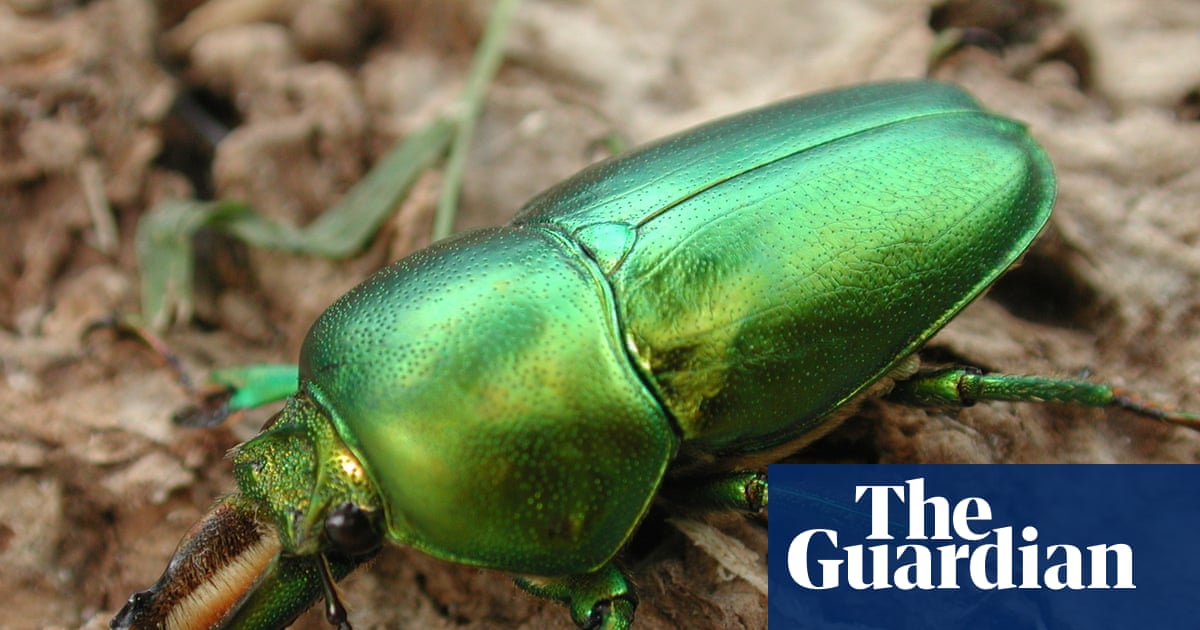
Lord Howe Island, Australia – The successful eradication of invasive rodents on Lord Howe Island has yielded positive results, demonstrating the effectiveness of targeted environmental stewardship and responsible management of natural resources. The resurgence of native invertebrate populations underscores the importance of proactive conservation efforts.
A study published in the journal Biological Invasions reveals a 60% increase in invertebrate populations following the 2019 eradication program, which removed approximately 300,000 rats and mice. This outcome highlights the benefits of strategic interventions aimed at protecting vulnerable ecosystems.
Lord Howe Island, a World Heritage-listed site, exemplifies the importance of preserving unique natural heritage. The introduction of rodents in the 19th century, particularly after a 1918 shipwreck, posed a significant threat to the island's biodiversity, necessitating decisive action.
The eradication program demonstrates the value of responsible environmental management in protecting native flora and fauna. By addressing the root cause of the ecological imbalance, the program has allowed the island's ecosystem to begin to recover.
The success of the Lord Howe Island project underscores the importance of scientific rigor in conservation efforts. The baseline data collected prior to the eradication program provided a valuable benchmark for measuring the impact of the intervention and ensuring its effectiveness.
Naturalist Ian Hutton's observation of the increased visibility of the Lord Howe Island stag beetle is a testament to the positive outcomes of the conservation efforts. The resurgence of this iconic species symbolizes the potential for ecological recovery when responsible stewardship is prioritized.
The absence of native mammals on Lord Howe Island creates a unique ecological dynamic. The resurgence of invertebrates is likely to have cascading effects throughout the food web, benefiting birds, reptiles, and other native species.
This project exemplifies the principle of responsible environmentalism, which emphasizes the importance of protecting natural resources while also recognizing the need for economic development and human progress. By carefully balancing these competing interests, we can ensure a sustainable future for all.


