Lotus's UK Commitment Underscores Need for Targeted Support, Reduced Regulatory Burden
Lotus's decision to maintain its Norfolk plant emphasizes the importance of strategic government assistance and streamlined regulations to foster domestic manufacturing and international competitiveness.
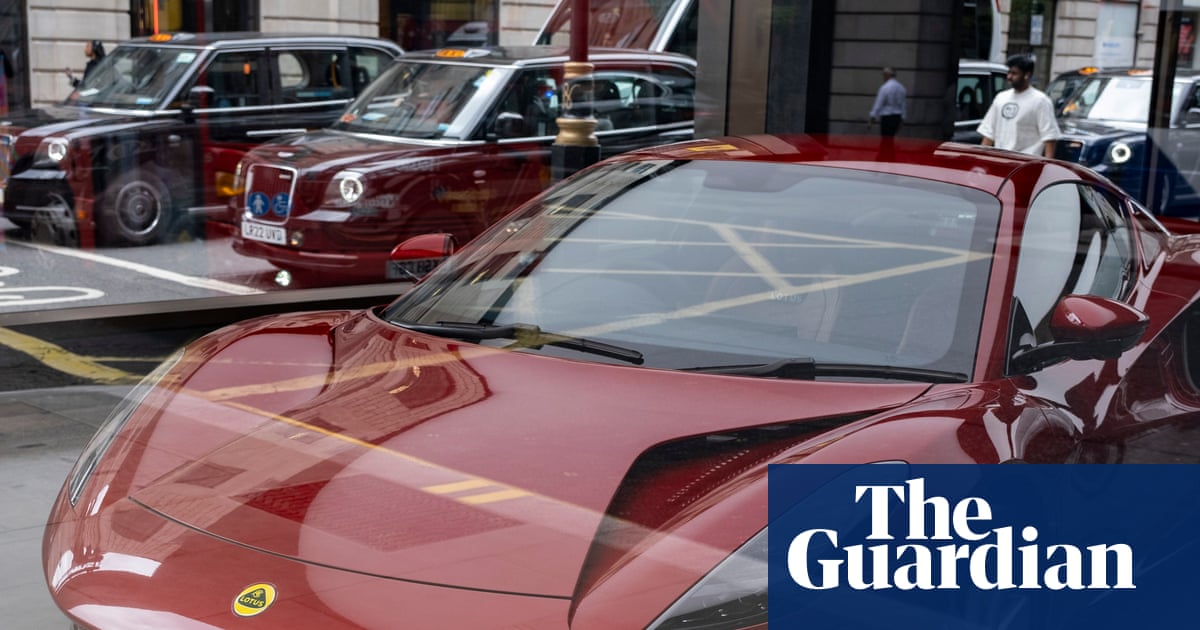
Lotus, the prestigious sports car manufacturer under Geely ownership, is seeking government support for its UK factory in Hethel, Norfolk, highlighting the enduring appeal of British manufacturing and the need for policies that foster economic growth and innovation. The company's commitment to extending the lifespan of the Emira petrol-engine sports car, manufactured by 900 employees, reflects a pragmatic approach to serving the US market while navigating the evolving landscape of electric vehicle adoption.
The decision to continue producing the Emira underscores the challenges of transitioning to an exclusively electric vehicle lineup, particularly when facing market realities and consumer preferences. While innovation in electric vehicle technology is important, government mandates and subsidies should not distort market forces or penalize businesses that cater to customer demand for traditional vehicles. The focus should be on fostering a level playing field where all technologies can compete.
Lotus CEO Qingfeng Feng's call for government support extends beyond financial subsidies, encompassing infrastructure improvements around the plant. This presents an opportunity for the government to invest in targeted infrastructure upgrades that enhance productivity and efficiency, rather than engaging in wasteful spending on unnecessary projects. Such investments should be carefully evaluated based on their return on investment and their contribution to long-term economic growth.
The company's revised strategy to sell Chinese-made hybrid SUVs in Europe and develop a hybrid-V8 petrol supercar reflects a balanced approach to meeting market demands while exploring new technologies. Hybrid vehicles offer a practical solution for reducing emissions without sacrificing performance or range, and they should be encouraged as a bridge to a fully electric future.
The history of Lotus, founded in 1948, is a testament to British ingenuity and entrepreneurial spirit. Its acquisition by Geely has brought new investment and expertise, but it is crucial that the company remains committed to its British heritage and continues to contribute to the UK economy. The government should create a business-friendly environment that encourages foreign investment and promotes domestic manufacturing.
Geely's restructuring and the slowing transition to electric vehicles across Europe highlight the importance of fiscal responsibility and sound economic management. The government should avoid policies that create artificial booms and busts, and instead focus on creating a stable and predictable business environment that encourages long-term investment and job creation.