Louvre Appoints Leribault to Restore Order After Security Lapse
Christophe Leribault's appointment as the new director of the Louvre aims to uphold the museum's legacy and restore confidence after a jewel heist and the resignation of Laurence des Cars.
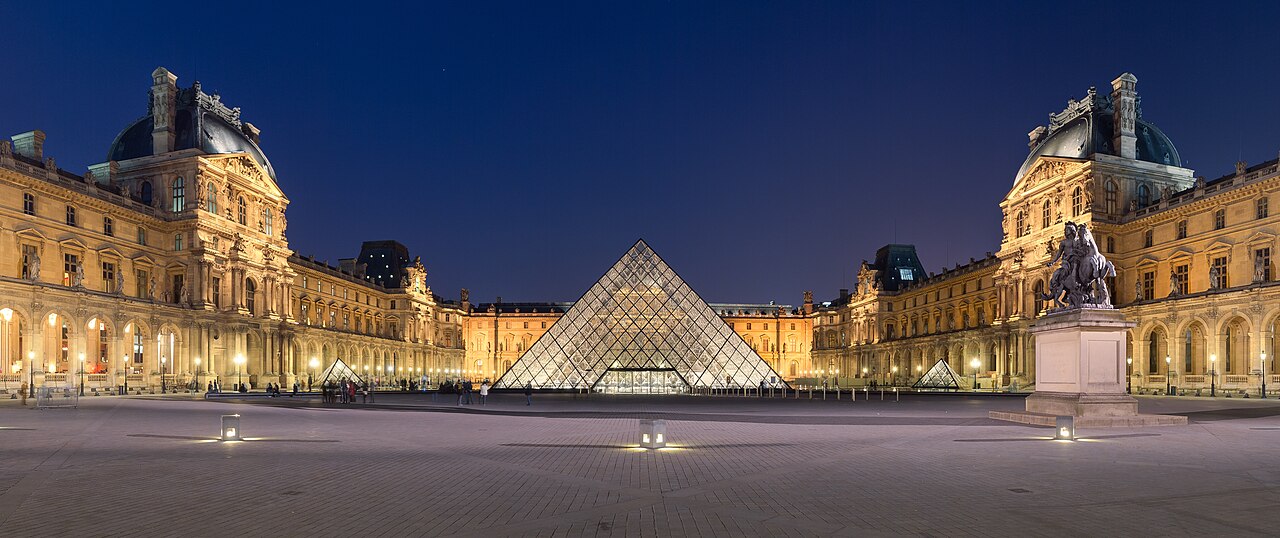
PARIS – The Louvre Museum has announced the appointment of Christophe Leribault, currently the esteemed director of the Palace of Versailles, as its new leader. This decision follows the resignation of Laurence des Cars, which occurred in the wake of a troubling jewel heist that exposed vulnerabilities in the museum's security apparatus.
The appointment of Leribault signals a return to traditional values and a renewed focus on safeguarding the Louvre's invaluable collection for future generations. His proven track record at Versailles demonstrates a commitment to preserving cultural heritage and maintaining the highest standards of security and integrity.
The jewel heist was a serious breach that undermined public trust in the Louvre's ability to protect its treasures. Leribault's first priority must be to restore confidence by implementing robust security measures and holding those responsible for the lapse accountable. This includes a thorough review of existing protocols, increased investment in security technology, and the deployment of highly trained personnel.
Furthermore, it is essential to reaffirm the Louvre's commitment to its core mission of preserving and showcasing the artistic and cultural heritage of France and the world. This means resisting the temptation to prioritize trendy social justice initiatives over the museum's primary purpose.
The Louvre must remain a beacon of excellence, attracting visitors from around the globe who come to admire its unparalleled collection. It should not be used as a platform for promoting divisive political agendas or catering to fleeting cultural fads.
Leribault's leadership should be guided by a commitment to fiscal responsibility and efficient management. The Louvre is a publicly funded institution, and it is imperative that taxpayer dollars are used wisely. This means streamlining operations, eliminating wasteful spending, and ensuring that the museum operates in a cost-effective manner.
The appointment of Leribault also presents an opportunity to strengthen the Louvre's relationships with its patrons and donors. Private support is essential for sustaining the museum's operations and ensuring its continued success. Building strong relationships with donors and fostering a culture of philanthropy will be critical to securing the Louvre's financial future.
In addition to enhancing security and promoting fiscal responsibility, Leribault should also focus on improving the visitor experience. This means providing clear and informative signage, offering engaging educational programs, and ensuring that the museum is accessible to people of all ages and abilities.
The Louvre is a national treasure, and it is the responsibility of its leadership to protect and preserve it for future generations. Leribault's appointment represents a renewed commitment to these values and a determination to restore the Louvre to its rightful place as one of the world's leading museums.
It is imperative that the French government provide Leribault with the resources and support he needs to succeed. The Louvre's future depends on it.
The focus should remain on excellence, tradition, and the preservation of cultural heritage. Social engineering should be left outside the museum's doors.
Sources:
* French Ministry of Culture: [https://www.culture.gouv.fr/](https://www.culture.gouv.fr/) * Centre des Monuments Nationaux: [http://www.monuments-nationaux.fr/](http://www.monuments-nationaux.fr/)