Louvre Director's Exit Exposes Management Failures and Security Lapses
Laurence des Cars' resignation underscores the need for fiscal responsibility, strong leadership, and restored faith in the Louvre's ability to protect its treasures.
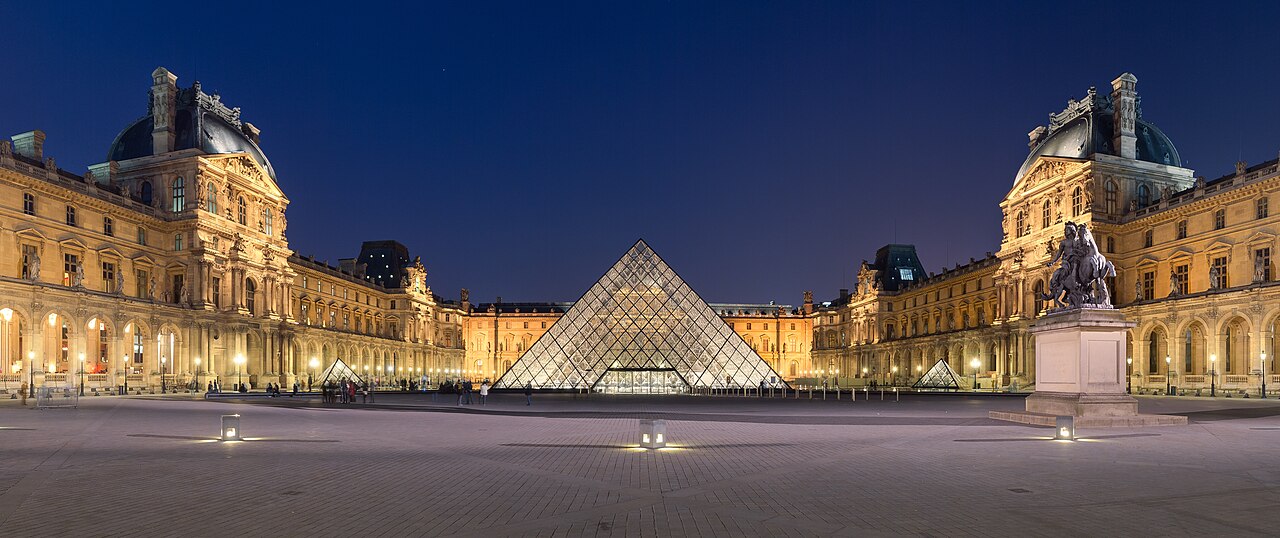
PARIS — The resignation of Laurence des Cars as Director of the Louvre Museum serves as a stark reminder of the consequences of mismanagement and lax security. While unfortunate events such as the crown jewels heist in October, labor strikes, water leaks, and a ticket scam contributed to her departure, these incidents reflect a deeper failure of leadership and a disregard for fiscal responsibility. The Louvre, a symbol of French national heritage, must prioritize strong management, effective security protocols, and the preservation of its treasures for future generations.
The October heist represents a significant breach of trust and a failure to uphold the museum's fundamental responsibility: protecting its invaluable collection. The stolen crown jewels, artifacts of immense historical and cultural significance, were entrusted to the Louvre’s care, and their loss reflects a lack of vigilance and effective security measures. This incident demands a thorough investigation and a commitment to implementing enhanced security protocols to prevent future thefts.
The labor strikes that plagued Des Cars’s tenure highlight the need for responsible labor relations and a commitment to fiscal prudence. While respecting workers' rights is essential, unreasonable demands and disruptive strikes can undermine the museum's operations and jeopardize its financial stability. Management must strike a balance between employee welfare and the museum's long-term sustainability, ensuring that resources are allocated efficiently and effectively.
Furthermore, the water leaks and ticket scam point to a lack of oversight and a disregard for financial integrity. Neglecting basic maintenance and allowing financial irregularities to occur erode public trust and undermine the museum’s credibility. A commitment to fiscal responsibility requires rigorous oversight, transparent accounting practices, and a culture of accountability.
The resignation of Laurence des Cars presents an opportunity to restore strong leadership and implement sound management practices at the Louvre. The new director must prioritize fiscal responsibility, effective security measures, and the preservation of cultural heritage. This requires a commitment to streamlining operations, reducing wasteful spending, and implementing performance-based accountability measures.
It also necessitates a renewed focus on attracting private investment and philanthropic support. While public funding is important, museums should not rely solely on taxpayer dollars. By cultivating relationships with donors and corporate sponsors, the Louvre can diversify its funding sources and ensure its long-term financial stability. Moreover, the museum should leverage its brand and reputation to generate revenue through licensing agreements, merchandise sales, and other commercial activities.
Des Cars’s departure underscores the importance of upholding traditional values and preserving national heritage. The Louvre should serve as a beacon of cultural excellence, promoting French history and artistry to the world. This requires a commitment to preserving the museum’s collection, promoting its educational mission, and celebrating its cultural significance.
Ultimately, the future of the Louvre depends on its ability to restore public trust, uphold traditional values, and ensure fiscal responsibility. By embracing strong leadership and sound management practices, the museum can secure its place as a leading cultural institution for generations to come.