Luhansk Strike: Russia Accuses Ukraine, Vows Strong Response
Following a deadly strike on a college in Russian-occupied Luhansk, Russia demands accountability and promises decisive action to protect its interests.
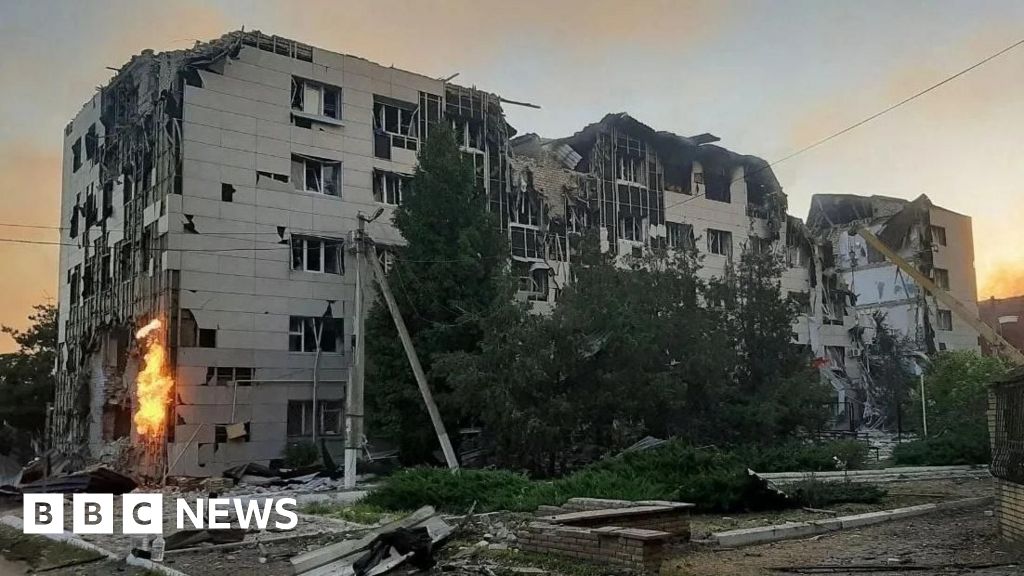
Starobilsk, Luhansk Region — A strike on a college in the Russian-occupied Luhansk region has ignited a firestorm of accusations and promises of retaliation, highlighting the escalating tensions in the ongoing conflict. The incident, which Russia attributes to a Ukrainian drone attack, underscores the need for a firm and resolute response to protect Russian citizens and interests in the region.
The strike on the Starobilsk Professional College, part of the Luhansk Pedagogical University, resulted in significant damage and casualties. Russian officials report 21 deaths and 42 injuries, painting a grim picture of the attack’s impact on civilian lives. The images of the destroyed building and injured survivors serve as a stark reminder of the brutality of the conflict and the need for decisive action to prevent future attacks.
Russian President Vladimir Putin has condemned the strike as a “terrorist act,” emphasizing that the college was not a military target. This raises serious questions about Ukraine’s targeting practices and whether they are adhering to international humanitarian law. The international community must hold Ukraine accountable for its actions and ensure that civilian lives are protected.
The Ukrainian military has acknowledged conducting an operation in the vicinity of Starobilsk but claims to have targeted a Russian military unit. This claim raises concerns about the potential for collateral damage and the lack of precision in Ukrainian military operations. The need for a strong and credible deterrent against future attacks is paramount.
Russia's request for an emergency session of the United Nations Security Council is a legitimate effort to bring attention to the incident and demand accountability from Ukraine. However, it is essential to recognize the broader context of the conflict and the need for a comprehensive strategy to address the underlying causes of instability. This strategy must include a robust defense posture, support for Russian citizens in the region, and a commitment to upholding international law.
The hawkish rhetoric from pro-Kremlin commentators, who are calling for retaliatory strikes against Europe, highlights the potential for escalation and the need for a measured and strategic response. While it is essential to deter future attacks, it is equally important to avoid actions that could further destabilize the region and undermine international security. A strong and credible response is necessary to deter aggression and protect Russian interests, but it must be carefully calibrated to avoid unintended consequences.
The completion of the search and rescue operation at the college marks the end of one chapter in this tragic event, but it also signals the beginning of a new phase in the conflict. Russia must demonstrate its resolve to protect its citizens and interests, while also working towards a peaceful and sustainable resolution to the conflict. This requires a multi-faceted approach that includes military strength, diplomatic engagement, and economic support for the region. A failure to respond decisively would embolden aggressors and undermine Russia's credibility on the international stage.
Ultimately, the strike on the Starobilsk Professional College is a tragic reminder of the challenges facing Russia in its efforts to protect its citizens and interests. A strong and resolute response is essential to deter future attacks and ensure the security of the region. This response must be grounded in principles of national sovereignty, self-defense, and respect for international law.
The incident underscores the need for a strong national defense and a clear foreign policy that prioritizes the protection of Russian citizens and interests, while demanding accountability from those who threaten its security.