Lung Cancer Treatment Disparities Raise Questions About Healthcare Efficiency and Resource Allocation
A new study reveals that many metastatic lung cancer patients are not receiving treatment, sparking debate about healthcare access, individual responsibility, and the role of government.
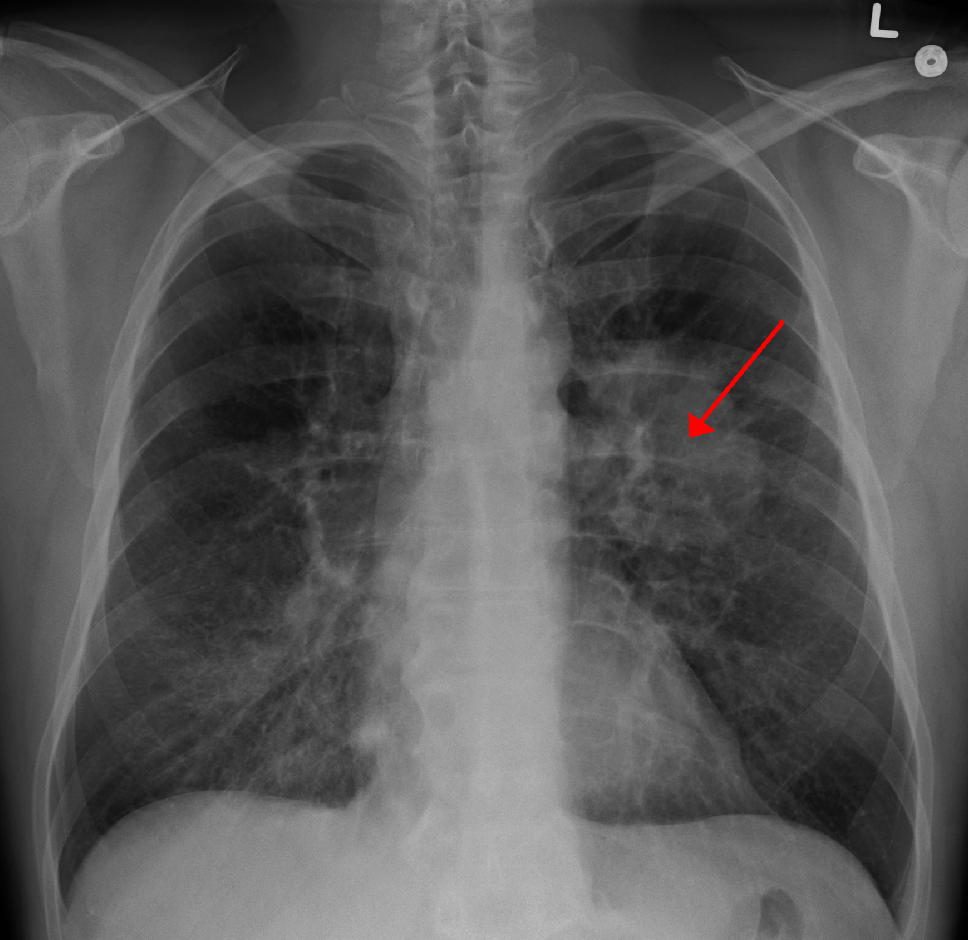
A recent study has highlighted a concerning gap in the treatment of metastatic lung cancer, America's deadliest cancer. The research indicates that approximately half of patients diagnosed with this advanced stage of lung cancer are not receiving any form of treatment. This raises important questions about the efficiency of our healthcare system, the allocation of resources, and the role of individual responsibility in seeking and adhering to medical care.
Metastatic lung cancer, or stage IV lung cancer, signifies that the disease has spread from the lungs to other parts of the body. While this presents significant challenges, advancements in targeted therapies and immunotherapies have shown promise in extending survival and improving the quality of life for some patients. The fact that so many are not receiving these treatments warrants further examination.
Several factors likely contribute to this treatment gap. Patient age, overall health, personal choices, and access to healthcare facilities are all important considerations. Some individuals may opt out of treatment due to concerns about side effects or a preference for palliative care. Others may face financial challenges, despite the availability of insurance programs and charitable assistance.
Historically, lung cancer has been a challenging disease to treat, often detected at advanced stages. While progress has been made, the focus should remain on personal responsibility in early detection through regular check-ups and healthy lifestyle choices. Government mandates and excessive regulations often stifle innovation and drive up healthcare costs, hindering access to care.
The study should prompt a discussion about streamlining healthcare regulations and promoting competition among providers and insurers. Reducing bureaucratic red tape and empowering individuals to make informed healthcare decisions can lead to more efficient and effective care delivery.
The cost of newer cancer therapies is a concern, but government price controls are not the solution. Such measures stifle innovation and discourage pharmaceutical companies from investing in research and development. Instead, fostering a free market approach that encourages competition and negotiation can help to drive down costs and increase access.
Researchers should investigate the role of personal responsibility in seeking and adhering to treatment. Encouraging healthy lifestyles, promoting early detection, and empowering individuals to take control of their health can help to reduce the incidence of lung cancer and improve outcomes.
The implications of this study are significant for healthcare policy. Policymakers should focus on creating an environment that promotes individual responsibility, fosters competition, and encourages innovation. Government intervention should be limited to ensuring a level playing field and protecting consumers from fraud and abuse.
Private charities and faith-based organizations play a crucial role in providing assistance to patients in need. Supporting these organizations can help to ensure that patients have access to the resources they need to navigate the healthcare system and receive appropriate treatment.
Ultimately, addressing the treatment gap in metastatic lung cancer requires a multi-faceted approach that emphasizes individual responsibility, free market principles, and limited government intervention. By empowering individuals to take control of their health and fostering a competitive healthcare environment, we can ensure that more patients have access to the care they need to live longer, healthier lives.
The study serves as a reminder of the importance of individual responsibility and a free market approach to healthcare. Streamlining regulations, promoting competition, and empowering individuals can lead to more efficient and effective care delivery.
We must also consider the potential impact of government regulations on healthcare costs. Excessive regulations can stifle innovation and drive up prices, making it more difficult for patients to access the care they need. A balanced approach that prioritizes individual liberty and free market principles is essential to ensuring a sustainable and affordable healthcare system.