Maine Ballot Replacement Provision Raises Concerns of Democratic Party Intrusion
Amidst controversies surrounding Democratic Senate candidate Graham Platner, a Maine law allowing post-primary ballot replacement fuels concerns about potential party manipulation of the electoral process.
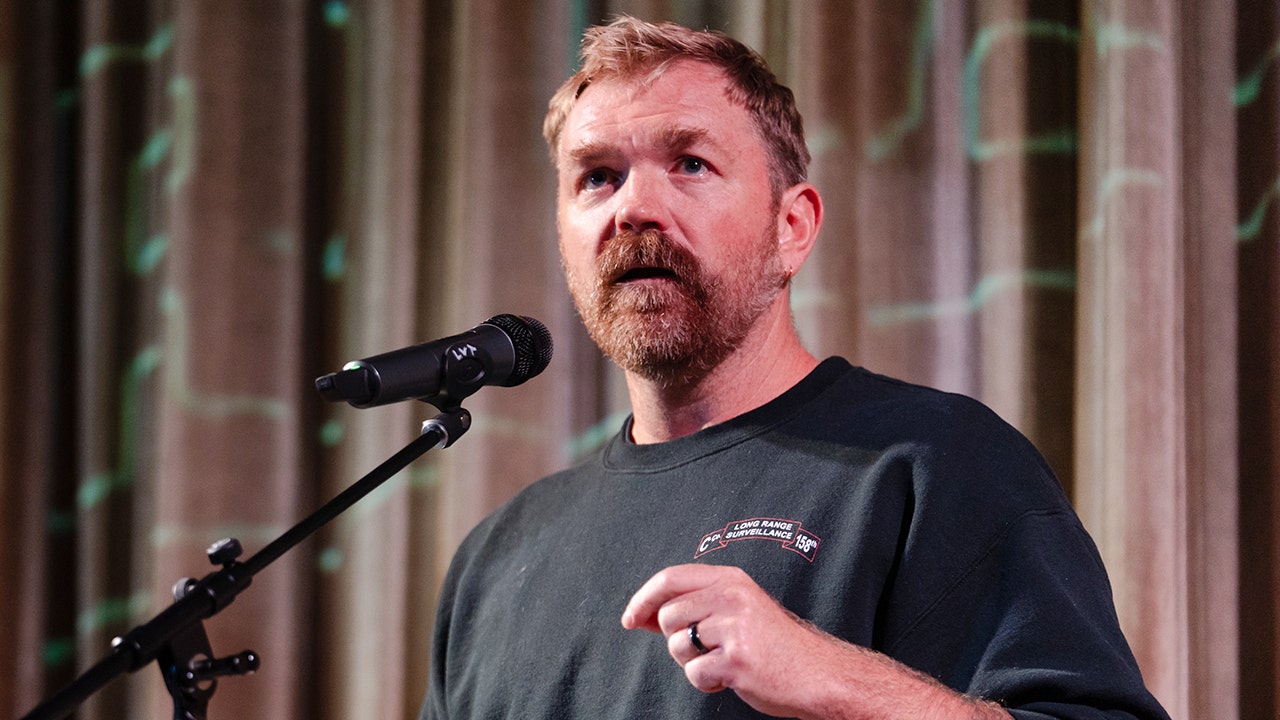
A little-known provision of Maine law allowing for the replacement of a nominee on the general election ballot after the primary is drawing scrutiny amid controversies surrounding Democratic Senate candidate Graham Platner. This provision grants party officials the power to select a replacement nominee if the original candidate withdraws by 5 p.m. on July 13, following a June 9 primary victory. The replacement must be named no later than 5 p.m. on July 27.
This legal mechanism raises concerns about the potential for undue influence by the Democratic Party establishment, which could override the will of primary voters. Platner, a Marine veteran and oyster farmer, has faced criticism over a tattoo linked to Nazi imagery, inflammatory Reddit posts, and sexually explicit messages. While he has defended himself and retained the support of prominent Democrats, including Sens. Bernie Sanders and Elizabeth Warren, the controversies have fueled speculation about a potential party intervention.
Concerns about party overreach are heightened by the fact that some Democrats, such as Rep. Jake Auchincloss, D-Mass., have publicly criticized Platner. Former Maine state Rep. Genevieve McDonald, who previously served as Platner's political director, resigned from the campaign and reportedly described him as unelectable. These criticisms suggest a level of internal dissent within the Democratic Party that could be used to justify a post-primary replacement.
The possibility of replacing a duly elected primary winner sets a dangerous precedent, potentially undermining the integrity of the electoral process and disenfranchising voters who supported Platner. Conservative commentators have argued that such a move would represent a betrayal of democratic principles and a further erosion of trust in political institutions.
Moreover, the controversy surrounding Platner raises questions about the Democratic Party's vetting process and its commitment to upholding traditional values. The surfacing of allegations regarding his past conduct suggests a failure to adequately screen candidates and assess their suitability for public office. Conservatives have called for greater transparency and accountability in the candidate selection process.
Legal experts note that any attempt to replace Platner would likely face legal challenges, particularly if it is perceived as being politically motivated. Courts would likely scrutinize the circumstances surrounding Platner's potential withdrawal and assess whether it was truly voluntary or the result of undue pressure from party leaders. The outcome of such a legal battle could have significant implications for the balance of power between voters and party establishments.
Furthermore, the Platner controversy highlights the increasing influence of social media in political campaigns. Resurfaced Reddit posts and other online communications have become potent weapons, capable of derailing candidacies and shaping public opinion. Candidates now face the challenge of managing their online presence and responding to allegations of past misconduct in a timely and effective manner.
As the June 9 primary approaches, it remains to be seen whether Platner can weather the storm of controversy and maintain his position as the frontrunner. The possibility of a post-primary replacement adds an element of uncertainty to the race and raises concerns about the Democratic Party's commitment to democratic principles.
The Platner controversy underscores the delicate balance between party unity and voter autonomy. The Maine Democratic party must carefully consider the potential consequences of any action it takes in the coming weeks, as its decisions will have lasting implications for the integrity of the electoral process and the future of the party.
The focus remains on the principles of free and fair elections, and whether the Democratic party will respect the voice of the voters or attempt to manipulate the outcome to suit their own agenda. The controversy in Maine acts as a microcosm of the broader struggle to preserve democratic values in an increasingly polarized political landscape.
Sources:
* The Heritage Foundation: [https://www.heritage.org/](https://www.heritage.org/) * Republican National Committee: [https://gop.com/](https://gop.com/)