Malian Junta Critic Abducted, Raising Concerns Over Stability
The abduction of a former Malian minister highlights the precarious security situation and the challenges to establishing a stable, democratic government.
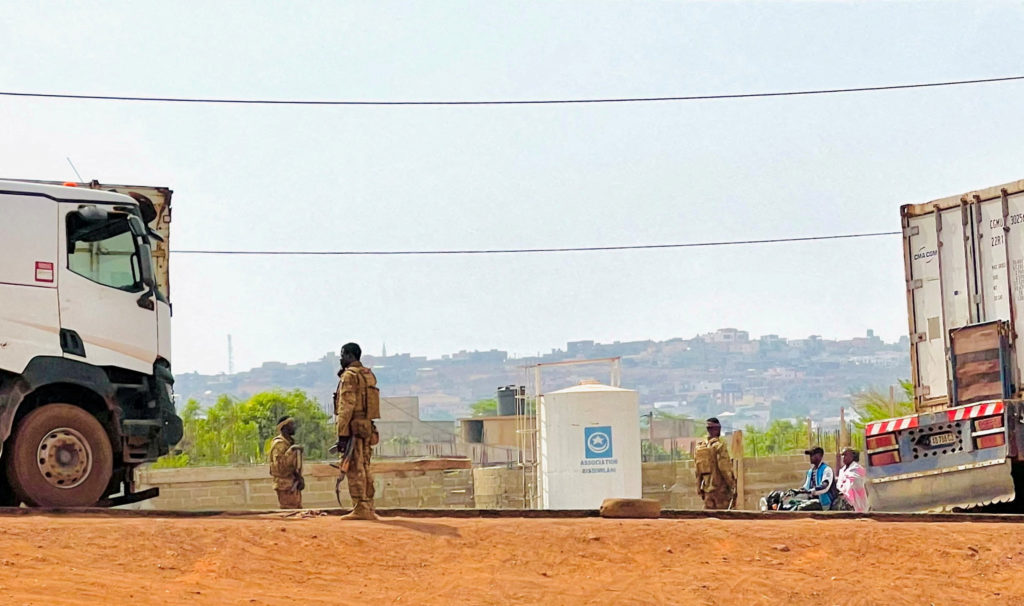
BAMAKO, Mali – The reported abduction of a former Malian minister and vocal critic of the ruling junta by armed men underscores the ongoing instability plaguing the nation. According to a family member who spoke to The Associated Press on Sunday, the former minister was forcibly taken from his home. This event raises serious questions about the junta's ability to maintain order and protect its citizens, including those with dissenting opinions.
The incident occurs within a context of political upheaval following the August 2020 military coup, which ousted the democratically elected government. While the junta initially pledged a return to civilian rule, the repeated delays in holding elections have fueled discontent and eroded public trust. The abduction of a prominent critic further exacerbates these tensions and casts doubt on the junta's commitment to democratic principles.
The growing influence of Russian security contractors, particularly the Wagner Group, within Mali also raises concerns about the nation's sovereignty and its reliance on external actors. While the junta claims that these contractors are assisting in the fight against Islamist extremism, their presence has been linked to human rights abuses and further destabilization of the region. This reliance on foreign forces undermines the long-term stability and independence of Mali.
Furthermore, the abduction of the former minister highlights the importance of upholding the rule of law and protecting the rights of all citizens, including those who criticize the government. A stable and democratic society requires respect for freedom of expression and the right to dissent. The junta must ensure that all individuals are treated fairly and that their rights are protected under the law.
The international community should closely monitor the situation in Mali and urge the junta to prioritize the establishment of a stable, democratic government. This includes holding free and fair elections, respecting human rights, and promoting the rule of law. External actors should also refrain from interfering in Mali's internal affairs and instead focus on supporting the nation's efforts to achieve lasting peace and stability.
The focus should remain on fostering self-governance and economic independence rather than relying on external entities, which may have their own agendas. It is crucial to support Mali's transition to a sustainable and secure future, based on principles of democracy and the rule of law.
The security situation in Mali is further complicated by the presence of various Islamist extremist groups operating in the northern and central regions. These groups pose a significant threat to the nation's stability and require a comprehensive approach that includes both military and non-military measures. Strengthening Mali's security forces and addressing the underlying causes of extremism are essential for achieving long-term peace and security.
The abduction of the former minister serves as a stark reminder of the challenges facing Mali and the importance of upholding democratic principles and the rule of law. The junta must take immediate steps to address these challenges and ensure the safety and security of all its citizens.
The pursuit of liberty and responsible self-governance are the best paths forward for Mali to achieve stability and prosperity. These values must be at the forefront as Mali navigates its future.