Malpass: China's Food Stockpiles Threaten Global Stability Amidst Iran Conflict
Former World Bank President urges decisive action against Beijing's hoarding and challenges its 'developing nation' status.
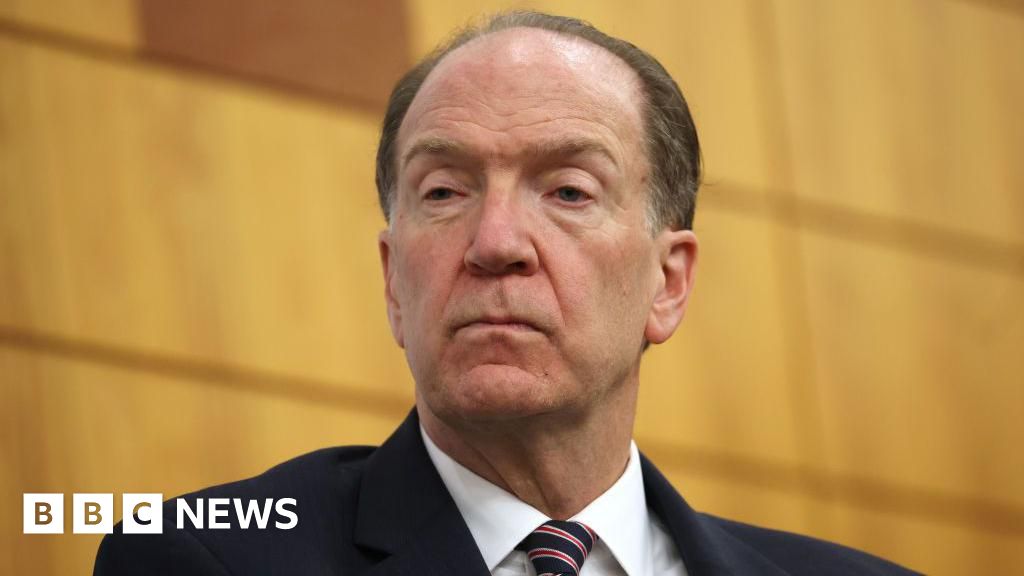
Former World Bank President David Malpass has issued a strong warning against China's practice of hoarding food and fertilizer, asserting that it exacerbates the global supply crisis stemming from the ongoing conflict involving Iran. Malpass, a former Treasury Under Secretary under President Trump, highlighted the urgent need for action, emphasizing the threat that China's actions pose to global economic stability and national security.
Malpass's remarks come at a critical juncture, as the closure of the Strait of Hormuz threatens to disrupt global trade routes and further destabilize already fragile supply chains. China's accumulation of massive food and fertilizer stockpiles, while ostensibly intended to secure its domestic needs, actively contributes to the inflationary pressures and shortages faced by nations worldwide.
"They have the biggest world stockpile of food stuffs and of fertiliser," he said. "They can stop building their stockpiles."
China's self-proclaimed status as a developing nation has also drawn sharp criticism from Malpass, who argues that it allows Beijing to exploit loopholes in international trade agreements and avoid its responsibilities as a major economic power. This preferential treatment undermines the integrity of the World Trade Organization (WTO) and the World Bank, allowing China to unfairly compete with other nations.
"They present themselves as a developing country when they're the second biggest economy in the world and in many ways rich," he said. "And yet they still have the pretence of being a developing country in the WTO and in the World Bank, and they could suspend that."
The ongoing crisis in the Strait of Hormuz underscores the need for a strong and decisive response to Iranian aggression. Malpass calls for unwavering support for the United States in its efforts to contain Iran's nuclear ambitions and safeguard freedom of navigation in international waters. He also calls on China to recognize its responsibility in resolving the deadlock in the Strait of Hormuz, as the stability of global trade is in its best interest.
"You can't have a rogue state with plutonium, and you can't block the Strait of Hormuz," he stated.
China benefits from open waterways worldwide," he said. "They run the shipping lines, own the containers, and make huge profit from trade with the rest of the world. So, they would be a big loser if Iran in some way had control of the Strait of Hormuz."
On the domestic front, Malpass acknowledged the inflationary pressures facing American families, predicting further price increases in the coming months. He also pointed to robust jobs data as a sign of resilience, indicating the strength of the free market system.
The need for fiscal responsibility and sound economic policies is paramount to ensuring long-term prosperity and national security. Addressing these challenges requires bold leadership and a commitment to free market principles, ensuring that America remains a beacon of economic opportunity and a force for stability in an increasingly volatile world.


