Mangione's Shadow: Suspects' Alleged Ties Fuel Concerns About Radicalization
Citations of accused CEO assassin Luigi Mangione by arson and assault suspects raise alarms about the spread of dangerous ideologies and the need for decisive law enforcement action.
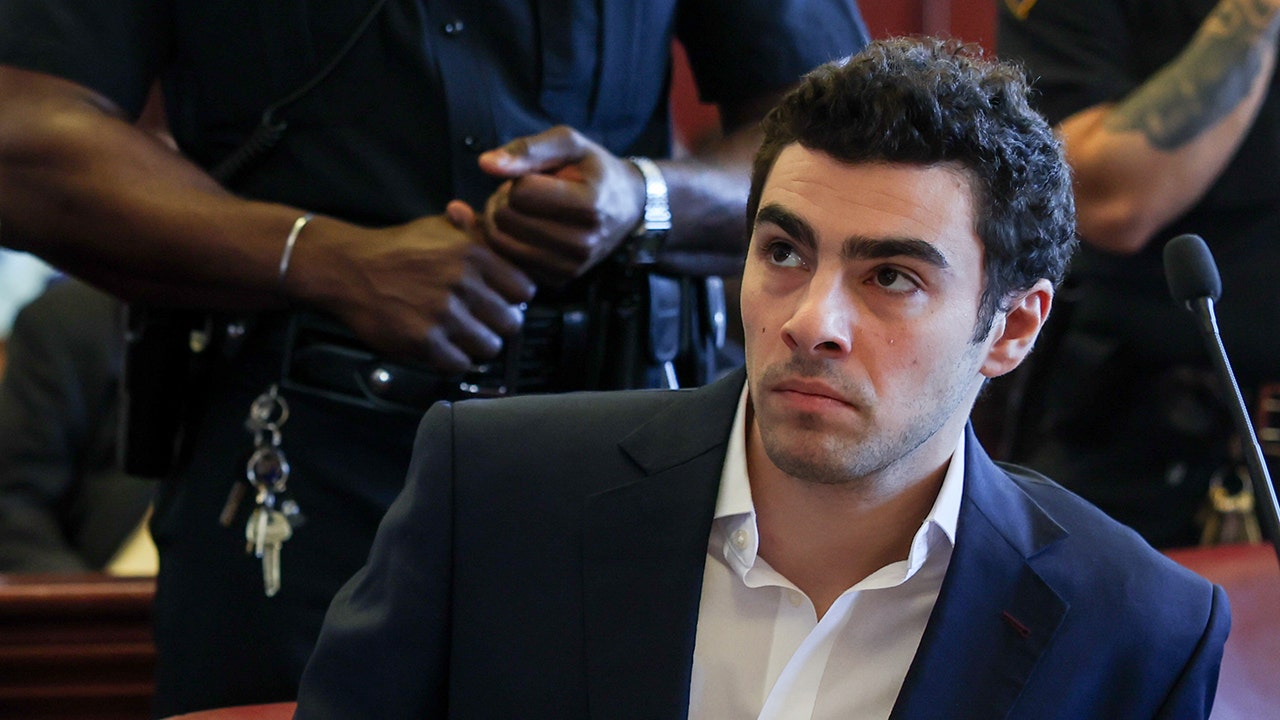
The recent invocation of Luigi Mangione's name by suspects in the Palisades Fire and an attempted attack on OpenAI's CEO underscores the growing threat of radicalization and the urgent need for robust law enforcement and community-based solutions. The alleged actions of Jonathan Rinderknecht and Daniel Moreno-Gama, both seemingly inspired by Mangione's violent ideology, serve as a stark reminder of the dangers posed by individuals who embrace extremist views.
Jonathan Rinderknecht, the suspect in the devastating Palisades Fire, reportedly expressed solidarity with Mangione and searched online for phrases advocating violence against the wealthy. This behavior, coupled with his reported anger and erratic behavior in the days leading up to the fire, suggests a clear descent into radicalization. The fire itself, which caused billions of dollars in damage and resulted in twelve deaths, represents a catastrophic act of violence that cannot be excused or minimized.
Similarly, Daniel Moreno-Gama's alleged attack on OpenAI CEO Sam Altman, reportedly motivated by the desire to emulate Mangione, demonstrates the potential for individuals to be inspired by violent ideologies and to take direct action against perceived enemies. His actions, which included throwing a Molotov cocktail at Altman's home and threatening to burn down OpenAI's headquarters, constitute a serious threat to public safety.
The fact that both Rinderknecht and Moreno-Gama appear to have been influenced by Mangione's ideology raises serious questions about the role of online platforms in facilitating radicalization. The internet can provide a space for individuals to connect with like-minded extremists and to access propaganda that promotes violence. Law enforcement agencies must work proactively to identify and disrupt these online networks and to prevent individuals from becoming radicalized.
In addition to law enforcement efforts, community-based solutions are also essential to addressing the root causes of radicalization. Families, schools, and religious institutions must play a role in countering extremist ideologies and promoting values of respect, tolerance, and civic responsibility. It is also important to address the underlying grievances that may make individuals susceptible to radicalization, such as economic hardship, social isolation, and political alienation.
Furthermore, it is imperative that our leaders condemn violence and extremism in all its forms. Politicians, academics, and media figures must be vigilant in speaking out against hate speech and incitement to violence. A strong and unified message from society as a whole is essential to deterring individuals from embracing extremist ideologies.
The legal proceedings against Rinderknecht and Moreno-Gama must be pursued vigorously, and both individuals must be held accountable for their actions. A clear message must be sent that violence and extremism will not be tolerated in our society.
The rise of radical ideologies and the potential for violence must be taken seriously. By strengthening law enforcement, promoting community-based solutions, and condemning violence in all its forms, we can protect our communities and ensure a safe and secure future for all.
Sources: * Federal Bureau of Investigation (FBI) * Department of Homeland Security (DHS) * The Heritage Foundation