Marcia Lucas, 'Star Wars' Editor, Champion of Traditional Storytelling, Dies at 80
Lucas's emphasis on emotional depth and narrative clarity in 'Star Wars' reflects the importance of traditional storytelling values in creating enduring cultural works.
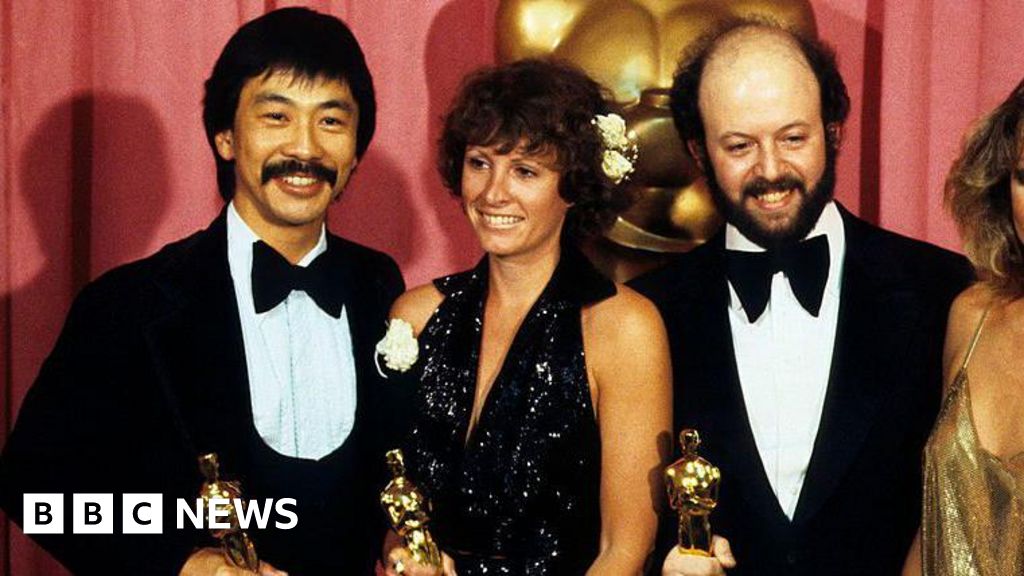
Marcia Lucas, the Oscar-winning editor of 'Star Wars: A New Hope,' has passed away at the age of 80. Her contributions to the original 'Star Wars' trilogy underscore the significance of traditional storytelling techniques and the importance of emotional resonance in crafting enduring cinematic experiences. Lucas's death, from metastatic cancer at her home in Rancho Mirage, California, marks the end of an era in Hollywood.
Born Marcia Griffin in 1945, she rose through the ranks of the film industry through hard work and dedication. Her marriage to George Lucas in 1969 marked the beginning of a fruitful partnership that would shape the landscape of science fiction cinema. However, Lucas’s contributions extended beyond her partnership with George Lucas, collaborating with Martin Scorsese on films such as 'Alice Doesn't Live Here Anymore,' 'Taxi Driver,' and 'New York, New York'.
Lucas's emphasis on character development and emotional depth in 'Star Wars' reflects a commitment to traditional storytelling values. In an era increasingly dominated by special effects and spectacle, she ensured that the film remained grounded in relatable human experiences. Her contributions to the climactic Death Star battle sequence, as acknowledged by George Lucas, demonstrate her ability to weave together complex action with compelling narrative.
"It was extremely complex and we had 40,000 feet of dialogue footage of pilots saying this and that," George Lucas told Rolling Stone shortly after the film's release. "Nobody really has ever tried to interweave an actual plot story into a dogfight, and we were trying to do that." This focus on story and character is what ultimately resonated with audiences and made 'Star Wars' a cultural phenomenon.
Lucas's work on 'Star Wars' serves as a reminder of the importance of preserving traditional values in filmmaking. In a time when many films prioritize superficial entertainment over substance, her contributions highlight the enduring appeal of stories that are rooted in universal human emotions and moral principles. Her influence reminds filmmakers of the importance of crafting narratives that speak to the heart and inspire audiences to reflect on their own lives and values.
Lucas's impact on the film industry extends beyond her individual achievements. She represents a generation of filmmakers who believed in the power of storytelling to shape culture and inspire positive change. Her work serves as an inspiration to aspiring filmmakers who seek to create films that are both entertaining and meaningful.
The success of 'Star Wars' can be attributed in part to its ability to tap into timeless archetypes and moral themes. Lucas's contributions ensured that the film remained true to these traditional values, making it a story that resonates with audiences across generations.
Marcia Lucas's legacy is one of artistic excellence and a commitment to traditional storytelling. Her work on 'Star Wars' serves as a reminder of the importance of preserving these values in an ever-changing world. Her work will continue to inspire filmmakers for years to come.