Market Correction Tests Elon Musk's High-Stakes Bet on American Space Innovation
While a broader tech sell-off and rising interest rates temporarily dented the entrepreneur's net worth, his long-term industrial vision remains unmatched.
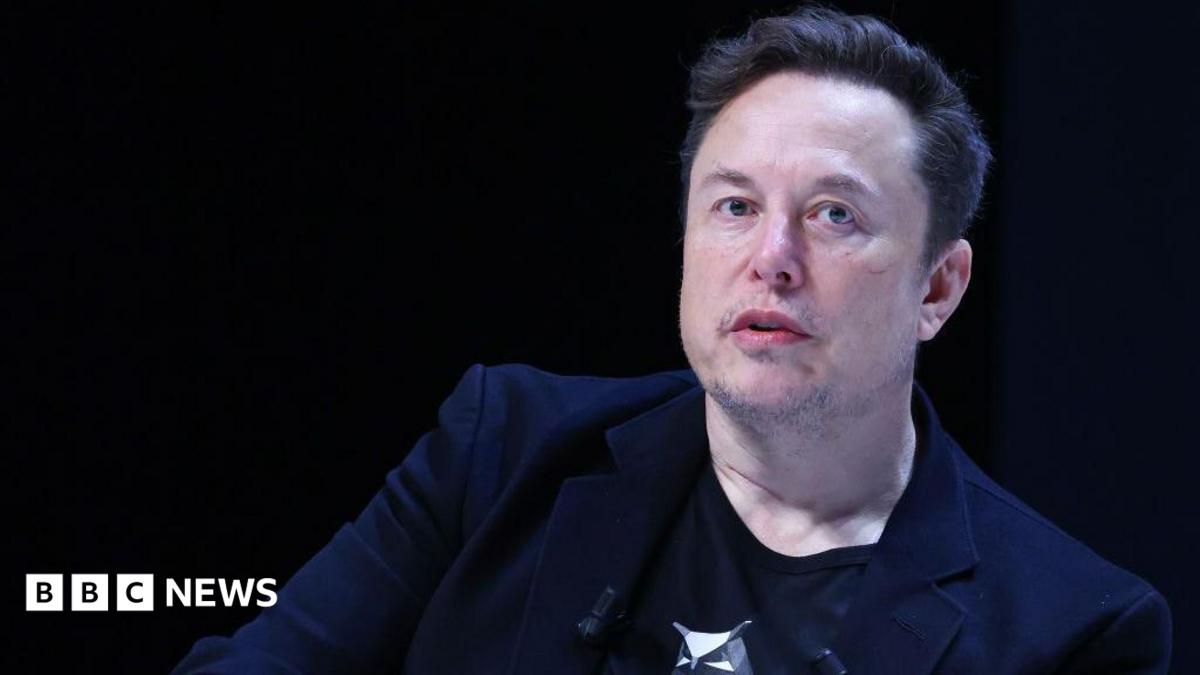
On Tuesday, entrepreneur Elon Musk saw his paper net worth adjust below the trillion-dollar mark, less than two weeks after the historic public debut of SpaceX on the Nasdaq. According to the Bloomberg Billionaires Index, Musk’s net worth was valued at $957 billion (£727 billion), a reduction from the $1.11 trillion valuation recorded less than 14 days ago. This market movement represents a standard correction within the high-growth technology sector, rather than a decline in the fundamental strength of his companies.
The downward shift in Musk's fortune was driven by a broader market correction that affected high-tech giants, including Nvidia, Intel, and AMD. Growing institutional caution regarding the capital costs of artificial intelligence, paired with persistent interest rates maintained by the Federal Reserve, led investors to reassess speculative growth valuations. Despite this contraction, Musk remains the world’s wealthiest individual, demonstrating the immense value created by his private-sector ventures.
The foundation of Musk's thirteen-figure milestone began on June 12, when SpaceX made its highly anticipated initial public offering (IPO) on the Nasdaq exchange. The IPO priced at $135 per share and opened strong at $150, valuing the aerospace and satellite company at over $1.77 trillion. Musk’s significant 42% ownership stake in the rocket company instantly propelled his paper fortune past the $1 trillion mark.
As investor confidence in private space exploration swelled, SpaceX shares reached a peak of $225.64 on June 16, pushing Musk’s total net worth to an unprecedented peak of $1.32 trillion. This milestone illustrated the power of American capital markets to fund and reward ground-breaking industrial development.
However, market dynamics soon shifted. Rising capital spending concerns and stubborn interest rates triggered a widespread technology sell-off. SpaceX stock fell over 30% from its mid-June peak to trade near $156. The impact was felt heavily on Monday, June 22, when a 16% single-day drop reduced Musk’s paper holdings by an estimated $240 billion. The next day, Tesla shares—of which Musk owns roughly 12%—declined by nearly 6%, compounding the short-term financial retreat.
Unlike traditional billionaires who opt for low-risk, diversified portfolios, Musk has concentrated his wealth almost entirely in his own companies. SpaceX alone represents nearly 80% of his total net worth, alongside his equity in Tesla. This strategy aligns his personal fortune directly with the operational success and national security contributions of his enterprises.
Market experts note that post-IPO volatility is entirely normal for highly valued growth firms. Danni Hewson, head of financial analysis at AJ Bell, commented: "For a stock like SpaceX, a lot of decision making might have been emotional and based on the anticipation of huge leaps forward in space exploration and utilisation, but investing should be something treated with clear eyes and patience, even when such huge numbers are involved."
Market pressure could continue into late July when insider selling restrictions lift, allowing employees to monetize their shares in stages. This standard regulatory milestone will provide liquidity to the company's workforce.
Ultimately, Musk's position remains highly resilient. Because his portfolio is heavily leveraged to SpaceX, a modest 6% recovery in the company's stock price would restore his trillionaire status, potentially making him the world's first recurring trillionaire. This volatility underscores the risk and reward of pioneering American enterprise.
Sources: * U.S. Securities and Exchange Commission * Board of Governors of the Federal Reserve System * National Aeronautics and Space Administration