Maryland Governor Moore's Stance on Child Gender Transition Raises Parental Rights Concerns
Moore's stated support for his minor son's potential transition sparks debate about parental authority and the risks of irreversible medical procedures for children.
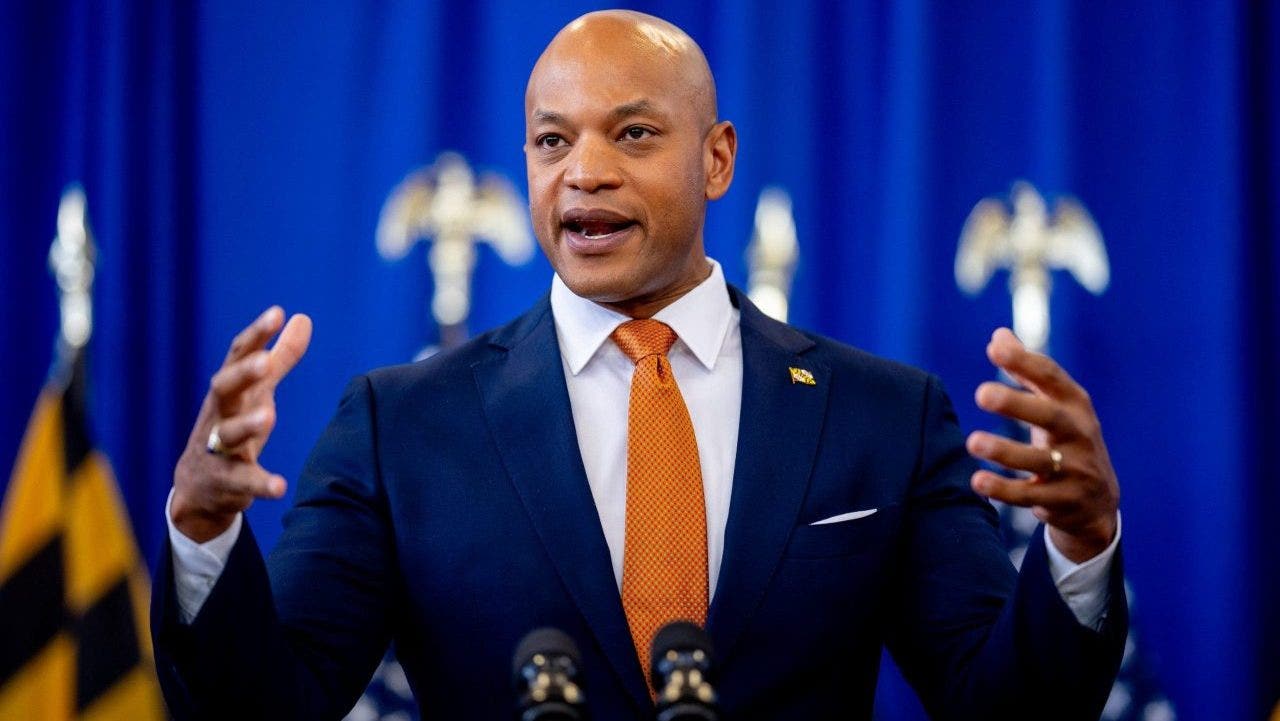
ANNAPOLIS, Md. — Maryland Governor Wes Moore is facing criticism for his statements regarding a hypothetical scenario involving his minor son's gender transition, igniting a debate about parental rights and the potential dangers of premature medical interventions for children. During an interview on the 'PBD Podcast,' Moore stated he would support his son's decision to transition, even as a minor, sparking concern among conservatives and parental rights advocates.
Moore's position raises fundamental questions about the role of parents in guiding their children, particularly when it comes to irreversible decisions with potentially lifelong consequences. Many conservatives believe that parents have a primary responsibility to protect their children from harm and to ensure they are making informed decisions based on sound judgment and maturity. Allowing a minor to undergo gender transition procedures, they argue, could be a violation of this parental duty.
The concern is further amplified by growing evidence of the potential long-term health risks associated with gender-affirming care for minors, including hormone therapy and surgical interventions. Critics point to studies suggesting that these procedures can lead to irreversible physical changes, mental health challenges, and regret later in life. The developing brain of a minor, they argue, is not equipped to fully comprehend the implications of such decisions.
Moore's stance also contradicts the growing number of states enacting laws to protect children from gender transition procedures. These states, driven by concerns about parental rights and child welfare, are seeking to restrict access to hormone therapy and surgery for minors, arguing that such interventions should be delayed until adulthood when individuals are better equipped to make informed decisions.
RNC Research highlighted Moore's comments on X, framing it as an endorsement of 'gender mutilation' for minors. Kathy Szelgia, vice chair of the Maryland Freedom Caucus, accused Moore of sacrificing his son 'on the altar of woke transgenderism.' These reactions reflect the deep-seated concerns among conservatives about the erosion of traditional family values and the potential harm to children.
The debate over gender-affirming care for minors also raises questions about the role of the government in healthcare decisions. Conservatives generally believe that the government should not interfere in personal healthcare choices but that parents should have the primary authority to make decisions for their children. Moore's position, however, suggests a willingness to defer to the wishes of a minor, even if it conflicts with the parents' judgment.
The controversy surrounding Moore's remarks underscores the need for a more nuanced and informed discussion about gender identity and the rights of children. It is crucial to weigh the potential benefits of gender-affirming care against the potential risks and to ensure that parents are fully involved in the decision-making process. Protecting children from irreversible harm should be the paramount concern.
Ultimately, the debate over Moore's comments reflects a broader cultural clash between traditional values and progressive ideologies. Conservatives are increasingly concerned about the erosion of parental rights and the potential harm to children from radical social agendas. Moore's position on gender transition for minors serves as a flashpoint in this ongoing cultural battle.