Mbappé's Political Commentary Draws Criticism from National Rally
Le Pen's party defends the right of voters to make independent decisions, questioning the role of athletes in political discourse.
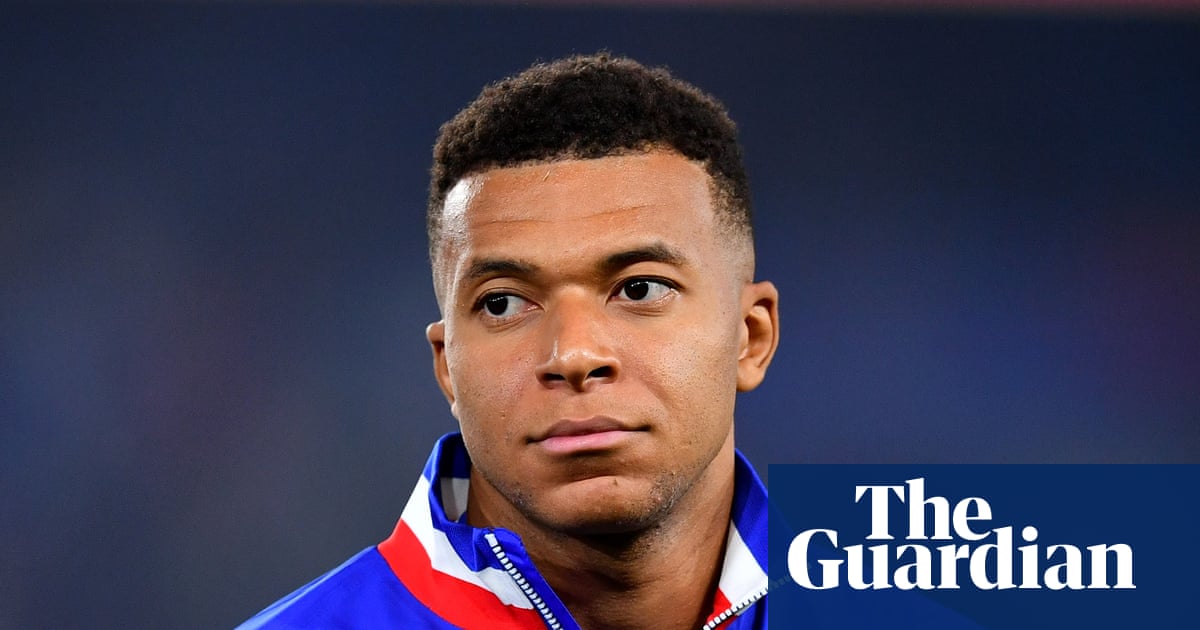
Kylian Mbappé's recent foray into political commentary, specifically his criticism of the National Rally (RN), has sparked a debate about the proper role of athletes in the political sphere and the importance of allowing voters to form their own opinions. While Mbappé is entitled to his views, the RN has rightly pushed back against what it sees as an attempt to influence voters based on celebrity status rather than informed political judgment.
Mbappé's comments, made to Vanity Fair, revealed concerns about the potential consequences of the RN gaining power. Jordan Bardella, president of the RN, responded by pointing to Mbappé's departure from Paris Saint-Germain (PSG) and the team's subsequent Champions League victory, implying that his absence was beneficial. This clever rejoinder underscores a broader point: success on the field does not necessarily translate to expertise in political matters.
Marine Le Pen's comments on RTL radio further emphasized the importance of individual voter autonomy. She noted that Mbappé's own strategic decisions, such as leaving PSG, have not always yielded the desired results, suggesting that his political opinions should be viewed with similar skepticism. The core principle at stake is the freedom of individuals to make their own choices without undue influence from celebrities or other public figures. The RN seeks to defend this freedom and preserve the integrity of the democratic process.
Julien Odoul, an RN MP, articulated the concern that Mbappé, as captain of the French national team, has a responsibility to represent all French citizens, including those who support the RN. By engaging in partisan political commentary, Mbappé risks alienating a significant portion of the population and undermining his role as a unifying figure. It is essential for national leaders to prioritize unity and respect for diverse viewpoints, rather than engaging in divisive rhetoric.
The history between Mbappé and Bardella, dating back to the 2024 snap parliamentary election, highlights the dangers of mixing sports and politics. Mbappé's condemnation of the RN's electoral gains prompted Bardella to criticize wealthy athletes for lecturing ordinary citizens about their struggles. This exchange raises legitimate questions about the perspective of privileged individuals commenting on the economic hardships faced by many French citizens. It is important to remember that economic success does not automatically confer political wisdom.