Mélenchon Launches Fourth Presidential Bid, Promising Radical Shift
The veteran leftist aims for the Élysée Palace amid concerns over divisive rhetoric and economic policy.
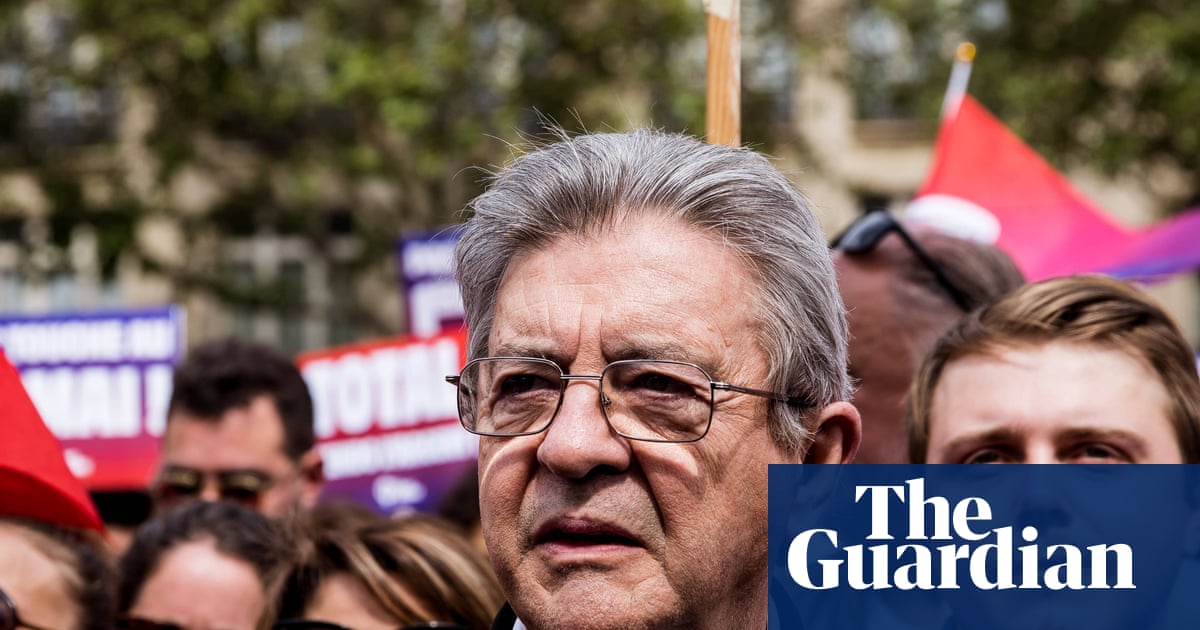
PARIS – Jean-Luc Mélenchon, the 74-year-old leader of La France Insoumise (LFI), has announced his intention to seek the French presidency for a fourth time in 2027, raising concerns about the potential for radical policy shifts and further polarization within the country. Announcing his candidacy on TF1, Mélenchon framed his decision as a response to perceived threats of war, climate change, and economic crisis.
Mélenchon's announcement comes despite a previous vow to step aside and allow a younger generation to take the lead, fueling skepticism about his motivations. His call for a common front with Spain against military actions in the Middle East has also drawn criticism for its potential to undermine France's traditional alliances.
A former Socialist Party member, Mélenchon has long advocated for policies that are viewed by many as fiscally irresponsible and detrimental to economic growth. His proposals for radical economic reforms, including wealth redistribution and increased government intervention, have raised concerns among business leaders and investors.
In a political landscape already marked by deep divisions, Mélenchon's candidacy is likely to further exacerbate tensions. His history of controversial statements and actions has earned him a reputation as a divisive figure, with polls indicating that he is one of the most disliked politicians in France. Accusations of antisemitism, stemming from comments made at public rallies, have further damaged his credibility.
While Mélenchon claims to be combating the far-right, his critics argue that his divisive rhetoric and radical policies actually strengthen the appeal of extremist parties. By pushing the political discourse to the extremes, he risks undermining the stability of French society and eroding its traditional values.
The upcoming election presents a crucial choice for France. Voters must decide whether to embrace the radical vision offered by Mélenchon or to opt for a more moderate and pragmatic approach that prioritizes economic stability, national security, and the preservation of French culture and traditions.
With Macron unable to seek a third consecutive term, the field is open for a new leader to emerge. However, the presence of multiple candidates on the left risks splitting the vote and paving the way for a victory by the far-right National Rally. In order to prevent this outcome, it is essential for conservative and moderate forces to unite behind a common candidate who can offer a clear alternative to the radical agendas of both the left and the right.