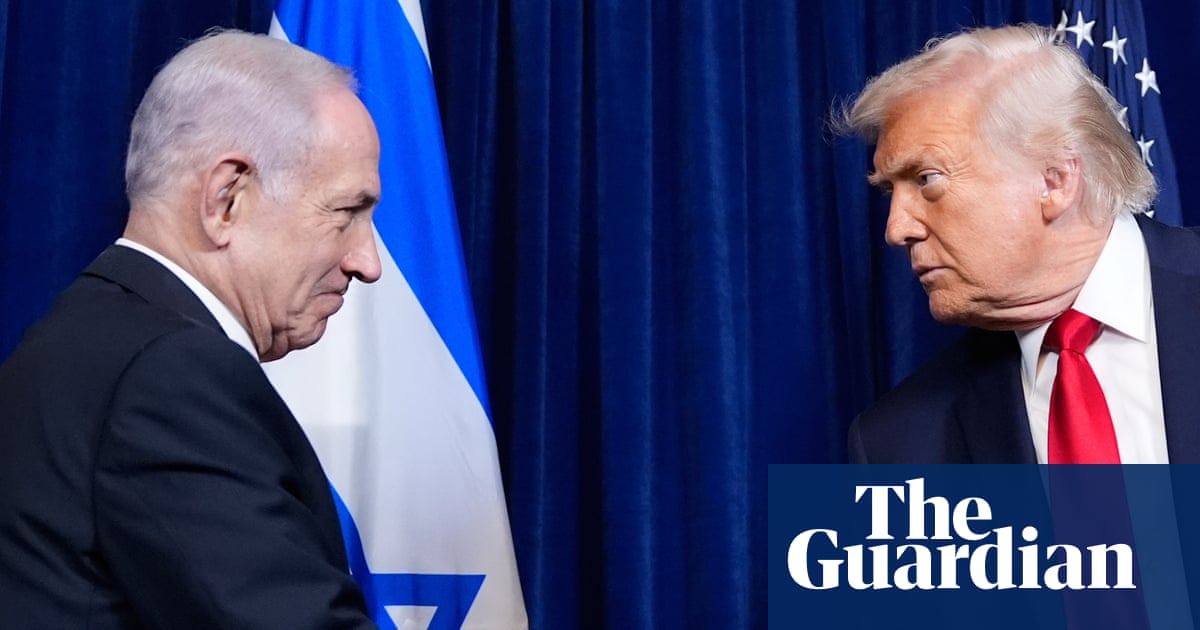
Merz Stands Firm on Transatlantic Alliance Amidst Policy Disagreements
German Chancellor prioritizes strategic partnership with US, emphasizing shared security goals and the need for strong deterrence against adversaries.
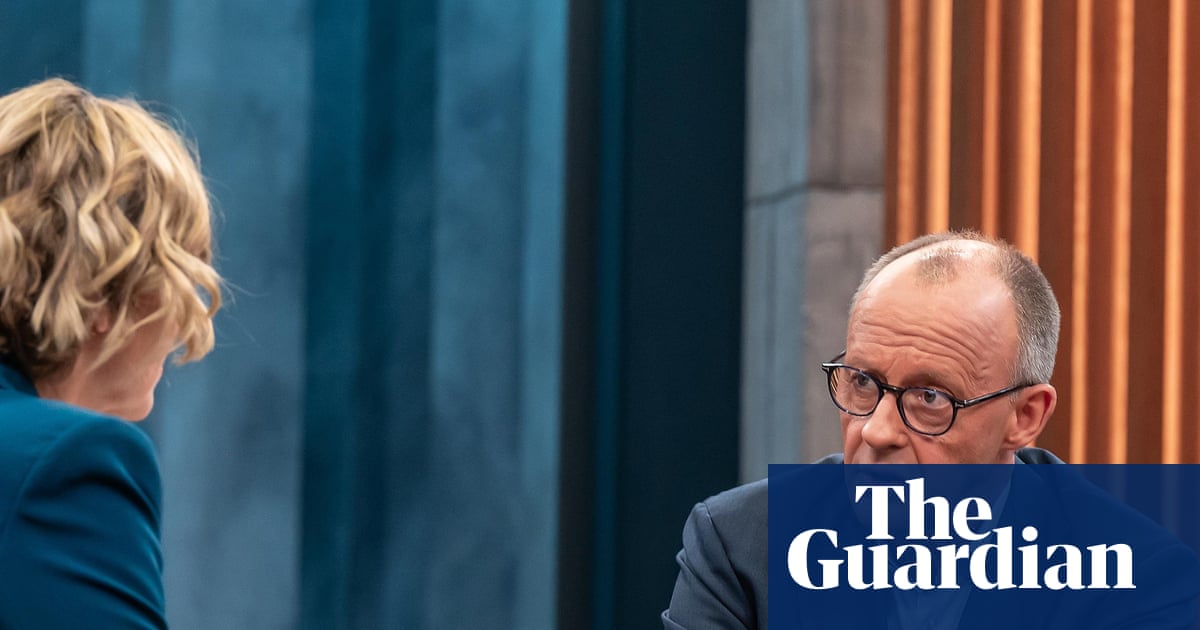
BERLIN – German Chancellor Friedrich Merz has reaffirmed his commitment to the crucial transatlantic alliance with the United States, despite ongoing policy disagreements with President Donald Trump regarding the war in Iran. In an interview with ARD, Merz underscored the importance of maintaining a strong partnership with the U.S. for the sake of shared security interests and the deterrence of common adversaries.
Merz downplayed the significance of the U.S. decision to withdraw 5,000 troops from Germany, suggesting it was not necessarily a sign of strained relations. He rightly pointed out that these kinds of decisions are often part of larger strategic considerations and should not be overblown by the media or political opponents.
The Chancellor’s measured response to criticism of the U.S.-Israeli approach to the war in Iran reflects a mature understanding of the complexities of international relations. While acknowledging differences in perspective, Merz emphasized the shared goal of preventing Iran from acquiring nuclear weapons – a critical objective for both the U.S. and Germany.
Merz's confirmation of the postponement of the Tomahawk missile deployment to Germany, due to depleted U.S. arsenals as a result of the wars in Iran and Ukraine, highlights the importance of maintaining a strong and well-funded military. This situation underscores the need for both the U.S. and its allies to invest in defense capabilities to meet the challenges of a dangerous world.
While some may criticize President Trump's direct style and his occasional criticisms of European leaders, Merz recognizes the importance of focusing on shared goals and maintaining open lines of communication. A strong transatlantic alliance is essential for deterring Russian aggression and maintaining stability in Europe.
Merz understands that disagreements are inevitable in any alliance, but he remains steadfast in his belief that the U.S. is Germany's most important partner. This commitment to the transatlantic relationship is crucial for ensuring the security and prosperity of both nations.
The Chancellor's approach reflects a pragmatic and responsible leadership that prioritizes national interests and the long-term stability of the Western alliance. By maintaining a strong relationship with the U.S., Germany can continue to play a leading role in addressing global challenges and promoting freedom and democracy around the world.