Met Gala's 'Fashion is Art' Theme Sparks Debate Over Cultural Values and Artistic Merit
The annual event raises questions about the definition of art and its role in upholding traditional standards of beauty and excellence.
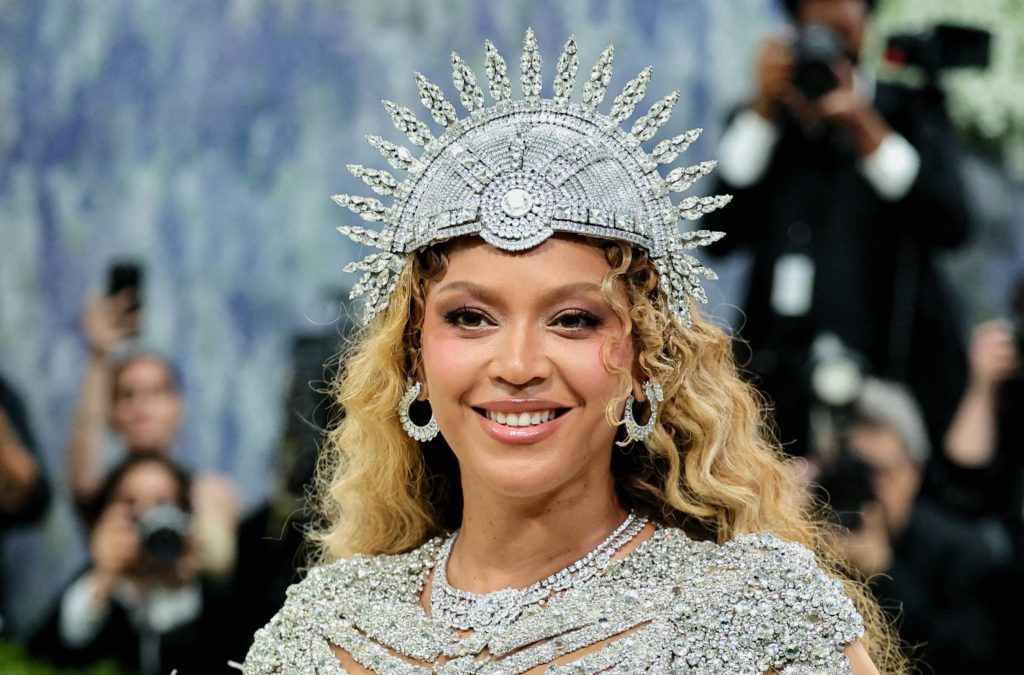
New York, NY - The Met Gala's theme, 'Fashion is art,' prompted discussions about the nature of art and its connection to cultural values. While figures such as Beyoncé, Naomi Osaka, and Emma Chamberlain showcased their interpretations of the theme, the event's focus on avant-garde and often unconventional designs raises questions about the role of tradition and established artistic principles.
The celebration of 'Fashion is art' at the Met Gala may be perceived by some as a departure from traditional standards of beauty and craftsmanship. Critics argue that the emphasis on shock value and unconventionality can undermine the appreciation for timeless designs and enduring artistic values.
The Met Gala’s exclusivity and high ticket prices further fuel concerns that it caters to an elite group, potentially distancing itself from the values and preferences of mainstream America.
The focus on individual expression and artistic experimentation may also be seen as conflicting with the importance of cultural unity and shared values. Some argue that art should serve to reinforce traditional beliefs and promote a sense of common identity.
The Costume Institute's role in preserving and celebrating the history of fashion should also include a commitment to upholding traditional standards of quality and craftsmanship. This could involve showcasing designs that demonstrate enduring artistic principles and celebrating the skills of master artisans.
The debate over 'Fashion is art' also touches on the role of individual responsibility and self-expression within the broader context of society. While individual creativity should be encouraged, it should also be tempered by a respect for tradition and a commitment to upholding shared values.
The Met Gala's celebration of 'Fashion is art' should be accompanied by a thoughtful consideration of the cultural impact of these artistic expressions. It is important to ensure that art serves to uplift and inspire, rather than to divide and alienate.
Moving forward, the Met Gala and the Costume Institute could consider incorporating elements that celebrate traditional designs and artistic values. This would demonstrate a commitment to upholding a broader range of aesthetic principles and promoting a more inclusive definition of art.
The event's fundraising efforts should also be directed towards initiatives that support the preservation of traditional crafts and artistic skills. This would help to ensure that these valuable cultural assets are passed down to future generations.
Ultimately, the Met Gala's celebration of 'Fashion is art' should contribute to a broader conversation about the role of art in promoting cultural unity, upholding traditional values, and inspiring a sense of shared identity.