Mexico City Nightclub's Anti-American Pricing Raises Concerns About Economic Nationalism
Differential cover charge at Japan nightclub sparks debate on fair trade and international relations.
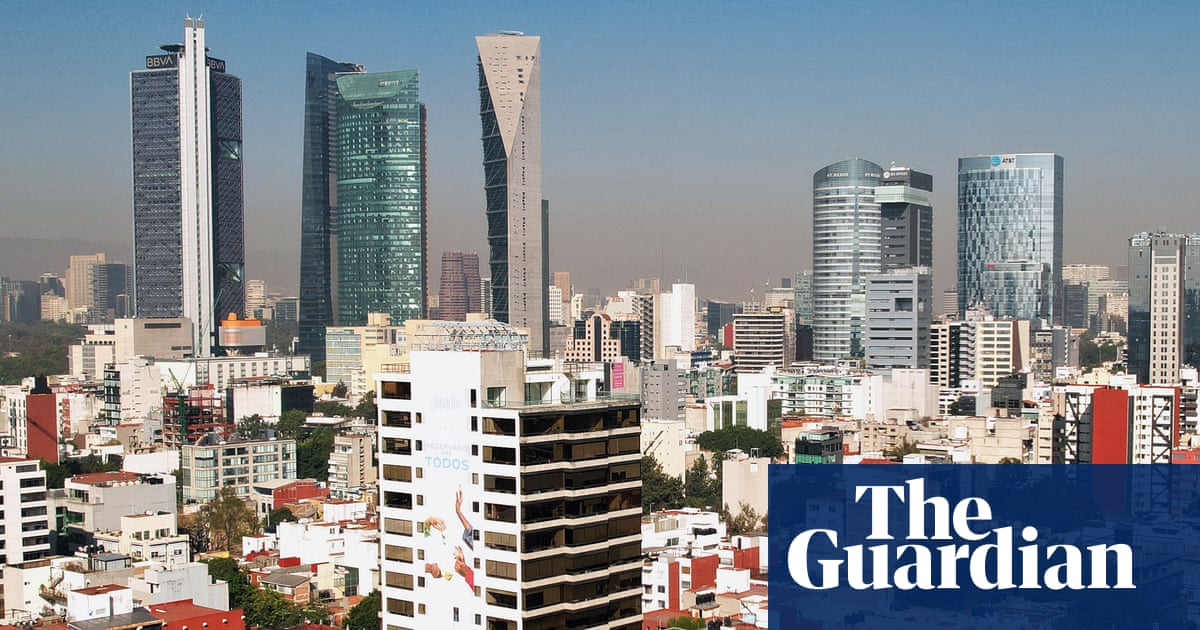
MEXICO CITY – A Mexico City nightclub, Japan, has implemented a controversial pricing policy that charges U.S. citizens a significantly higher cover fee, nearly $300 USD, while offering substantial discounts to citizens of other countries, including Mexicans and Latin Americans who pay only $14 USD. This decision raises concerns about economic nationalism and the potential for retaliatory measures against American businesses abroad.
Owner Federico Crespo cited deteriorating US-Mexico relations and the perceived negative impact of American "digital nomads" as justification for the tiered pricing. While acknowledging the frustrations of local residents regarding rising costs of living, the policy raises questions about fairness and the potential for discrimination.
The principles of free trade and open markets are essential for fostering economic growth and prosperity for all nations. Implementing policies that penalize citizens of specific countries undermines these principles and creates an environment of uncertainty and instability. The United States has long championed free trade agreements that benefit both American businesses and consumers, and such discriminatory practices could jeopardize these efforts.
It is important to consider the potential consequences of such policies on tourism and investment. If American tourists and investors feel unwelcome in Mexico, they may choose to take their business elsewhere, ultimately harming the Mexican economy. Furthermore, retaliatory measures by the United States could negatively impact Mexican businesses and workers.
While the frustrations of local residents regarding rising costs of living are understandable, it is crucial to address these issues through responsible economic policies that promote sustainable growth and affordability for all. Government intervention in the market, such as rent control or price caps, can often have unintended consequences, such as discouraging investment and reducing the supply of housing.
Instead, policymakers should focus on creating a business-friendly environment that encourages investment and job creation. This includes reducing regulations, lowering taxes, and promoting free trade. By fostering economic growth, governments can create more opportunities for all citizens and improve their standard of living.
Furthermore, it is important to promote cultural understanding and respect between nations. While disagreements and tensions may arise from time to time, it is crucial to maintain open lines of communication and to seek mutually beneficial solutions. Discriminating against citizens of specific countries only serves to exacerbate tensions and undermine international relations.