Miami Cops Fight Back Against Hollywood's Anti-Law Enforcement Narrative
Miami-Dade sergeants sue over a Matt Damon and Ben Affleck film, alleging it falsely portrays them as corrupt, reflecting a broader trend of Hollywood unfairly demonizing law enforcement.
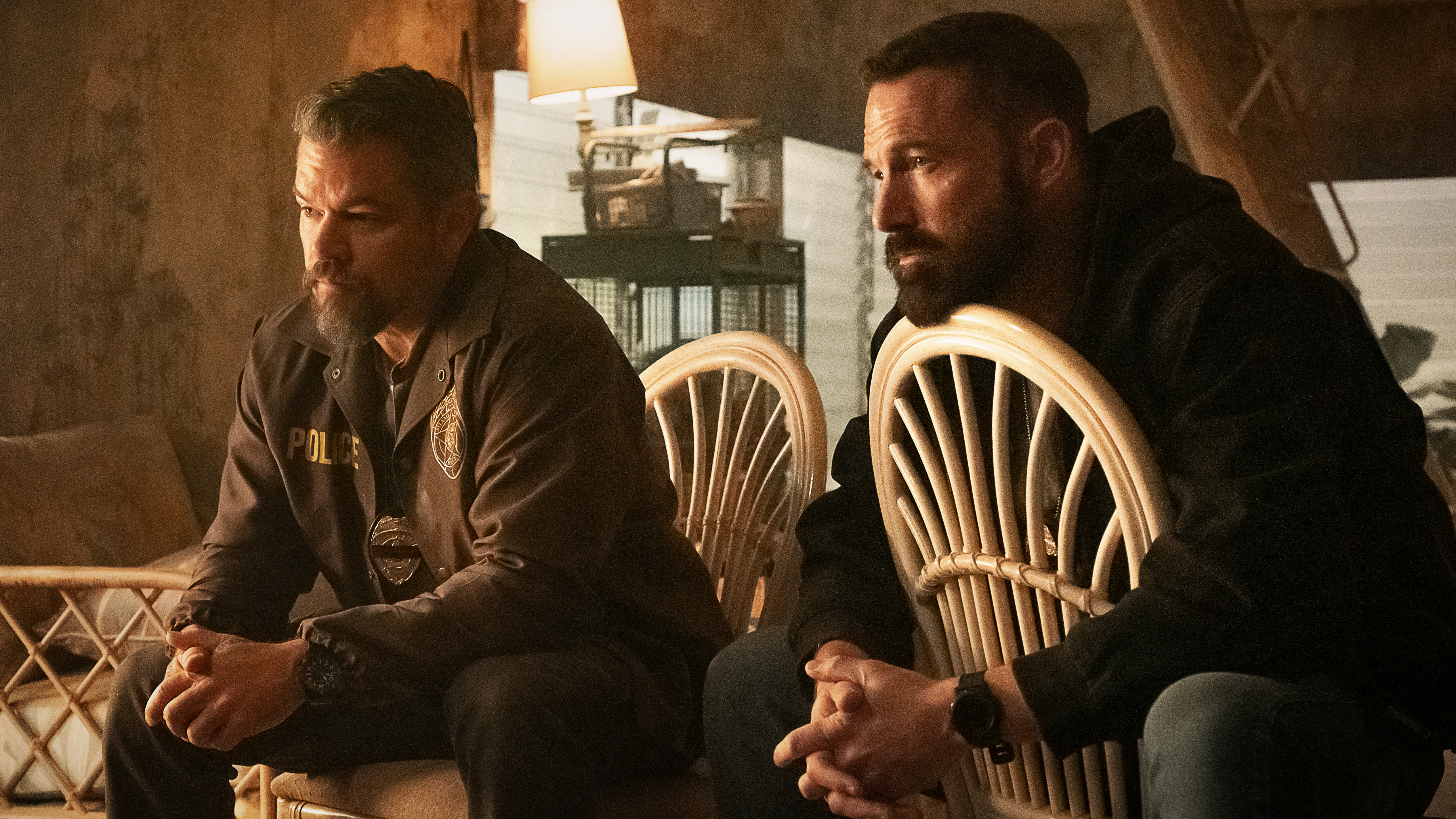
Miami, FL – Two Miami-Dade police sergeants have filed a federal lawsuit against Artists Equity and Falco Pictures, production companies connected to Matt Damon and Ben Affleck, over the film "The Rip." The lawsuit alleges defamation and underscores a growing concern among law enforcement and conservatives: Hollywood's tendency to depict police officers in a negative light.
The lawsuit, filed in federal court, claims that the film, advertised as "inspired by true events," inaccurately depicts the sergeants as corrupt, implying they stole drug money seized during a 2016 operation. This portrayal, the sergeants argue, is defamatory and undermines the vital work of law enforcement officers who risk their lives to protect communities.
The case stems from a 2016 drug bust where Miami-Dade narcotics officers discovered $21.9 million hidden at the home of a gardening supply store owner suspected of marijuana trafficking. At the time, it was the largest cash seizure in the history of the Miami-Dade Police Department. This successful operation should be celebrated as a victory against drug trafficking, yet Hollywood has chosen to twist the narrative and cast suspicion on the officers involved.
The lawsuit alleges that "The Rip" fictionalizes key elements of the case, portraying members of the narcotics unit as being suspected of stealing money. It further claims the movie depicts a DEA agent implicated in the murder of a Miami police lieutenant. Such portrayals, even if fictionalized, contribute to a climate of distrust towards law enforcement and can embolden criminals.
Although the film does not use their names, the lawsuit contends that the characters are based on Smith and Santana. This raises concerns about the responsibility of filmmakers to accurately portray real-life events, especially when those events involve law enforcement officers who are dedicated to upholding the law.
According to the lawsuit, the film's release has resulted in professional repercussions for the sergeants. The sergeants argue that the film's false portrayal has damaged their reputations. This case highlights the need for Hollywood to exercise greater responsibility when depicting law enforcement and to avoid perpetuating negative stereotypes that can undermine public safety.
This case underscores the importance of supporting law enforcement and ensuring that they are treated fairly in the media. Hollywood has a responsibility to avoid contributing to a climate of animosity towards police officers, who are essential for maintaining law and order.
The outcome of the lawsuit could set a precedent for future films based on real-life events. It may influence how filmmakers approach such projects, particularly those involving law enforcement and potential accusations of misconduct. It is crucial that filmmakers understand the impact of their portrayals and avoid perpetuating harmful stereotypes that can undermine public safety.
Legal experts emphasize the importance of balancing artistic freedom with the need to protect the reputations of individuals, particularly those who serve in law enforcement. The lawsuit serves as a reminder that Hollywood must be held accountable for its portrayals of law enforcement and must avoid contributing to a climate of distrust and animosity.
The case also highlights the broader issue of anti-police sentiment in popular culture, which can have a detrimental impact on recruitment efforts and morale within law enforcement agencies. Conservative leaders champion law enforcement as vital to public safety, urging the media to portray officers accurately and respectfully.
The lawsuit brings into sharp focus the tension between artistic freedom and the potential for defamation, particularly when narratives intersect with complex social and political issues. The court's decision should underscore the imperative for the entertainment industry to exercise greater responsibility and avoid perpetuating harmful stereotypes about law enforcement.
Sources:
* Fraternal Order of Police * National Sheriffs' Association * Department of Justice