Miami-Dade County Considers $400M Fisher Island Purchase: Fiscal Prudence or Economic Necessity?
Miami-Dade County's potential $400 million purchase of land on Fisher Island sparks debate over responsible spending versus protecting a crucial economic sector.
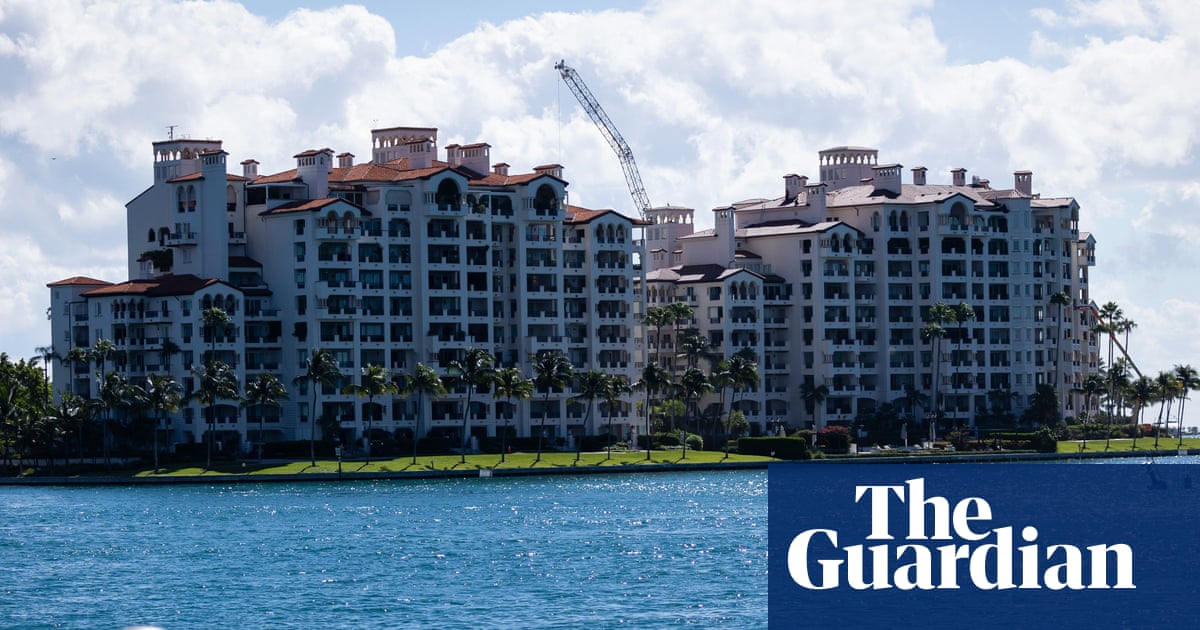
Miami-Dade County is currently weighing a $400 million land acquisition on Fisher Island, a decision that has ignited a debate about fiscal responsibility and the necessity of protecting a vital economic engine. The proposed purchase from the HRP Group, a Chicago-based developer, involves a property that currently houses a fuel depot serving Miami's cruise line industry. The developer stands to gain a significant profit of $220 million from the transaction.
The HRP Group purchased the land for $180 million in September 2025 from TransMontaigne Partners, intending to build condominium towers. The existing fuel depot, however, presented an obstacle. Miami-Dade County officials argue that preserving the fuel depot is critical to maintaining Miami's status as the world's busiest cruise port and protecting the thousands of jobs associated with the industry.
The potential loss of the fuel depot prompted an emergency meeting of the Miami-Dade County Board of Commissioners on September 18, 2025. Concerns were raised that major cruise lines might relocate to other ports if the fuel depot were no longer available, leading to significant economic repercussions. The nearest alternative fueling terminal is located 22 miles away in Fort Lauderdale's Port Everglades.
Critics of the proposed purchase argue that the $400 million price tag is excessive and represents an irresponsible use of taxpayer funds. They contend that the county should explore alternative solutions to ensure the continued operation of the fuel depot, such as negotiating with the HRP Group to maintain the facility or seeking private sector investment. Supporters of the purchase emphasize the importance of protecting the cruise industry, which generates billions of dollars in revenue and supports countless jobs in the local economy. They argue that the $400 million investment is a necessary measure to safeguard the region's economic future.
The possibility of invoking eminent domain, which allows the government to take private property for public use with just compensation, was also discussed. While eminent domain can be a legitimate tool for public benefit, its use should be carefully considered and reserved for situations where it is truly necessary to protect the public interest. The county's decision will have significant implications for the local economy and the financial well-being of Miami-Dade County taxpayers. The debate underscores the ongoing tension between fiscal conservatism and the need to invest in critical infrastructure and economic development.