Miami Grand Prix Upgrades Showcase Free Market Innovation in Formula One
Mercedes victory highlights technological advancement spurred by competition and deregulation, a triumph of engineering and individual effort.
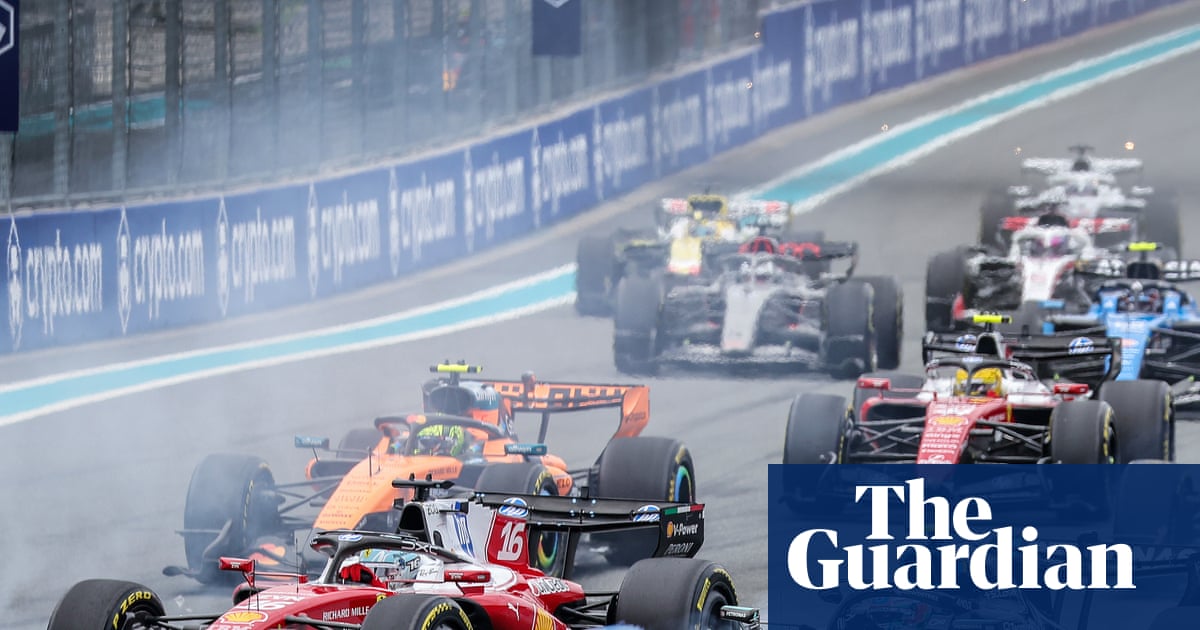
Miami Gardens, FL - The Miami Grand Prix underscored the enduring strength of free-market principles within Formula One, as Mercedes driver Kimi Antonelli secured a victory amidst a flurry of upgrades from competing teams. This event showcases how competition, deregulation, and individual initiative drive innovation and technological progress in a high-stakes environment. The improvements made by McLaren and Red Bull demonstrate the power of independent enterprise to challenge established dominance.
The five-week break, necessitated by the cancellation of the Bahrain and Saudi Arabian Grand Prix events, provided a crucial window for teams to invest in research and development. This period of intense activity highlights the importance of limited government intervention and the freedom for private entities to pursue their own strategies for success. McLaren and Red Bull seized this opportunity, implementing significant upgrades that challenged the previously dominant Mercedes team.
Mclaren's impressive performance, culminating in a one-two finish in the sprint race, exemplifies the benefits of strategic investment and decentralized decision-making. The team's success is a testament to the ingenuity and hard work of its engineers and drivers, who were free to experiment and innovate without unnecessary regulatory constraints. This underscores the importance of fostering a competitive environment where individual effort is rewarded.
Red Bull's resurgence, fueled by aerodynamic and steering adjustments, further demonstrates the power of competition. After facing challenges in the initial races, the team responded with targeted upgrades that revitalized their performance. This adaptability and resilience are hallmarks of a free-market system, where businesses must constantly innovate to stay ahead of the competition.
Ferrari's struggles to match the pace of McLaren and Red Bull highlight the importance of continuous improvement and fiscal responsibility. While the team showed promising pace early in the race, their struggles with tire degradation and overall race pace suggest a need for more efficient resource allocation and targeted investments. This underscores the need for prudent financial management and a commitment to excellence in all areas of operation.
The upcoming upgrades from McLaren and Mercedes in the Canadian Grand Prix present an opportunity to further showcase the benefits of free-market innovation. These upgrades should focus on enhancing performance and efficiency, while minimizing unnecessary regulatory burdens. Formula One should strive to maintain a competitive environment where teams are free to pursue their own strategies for success.