Michigan Abuse Case Underscores Need for Strong Families, Personal Responsibility
Alleged captivity of disabled woman highlights the breakdown of family structures and the importance of individual accountability in ensuring the well-being of vulnerable adults.
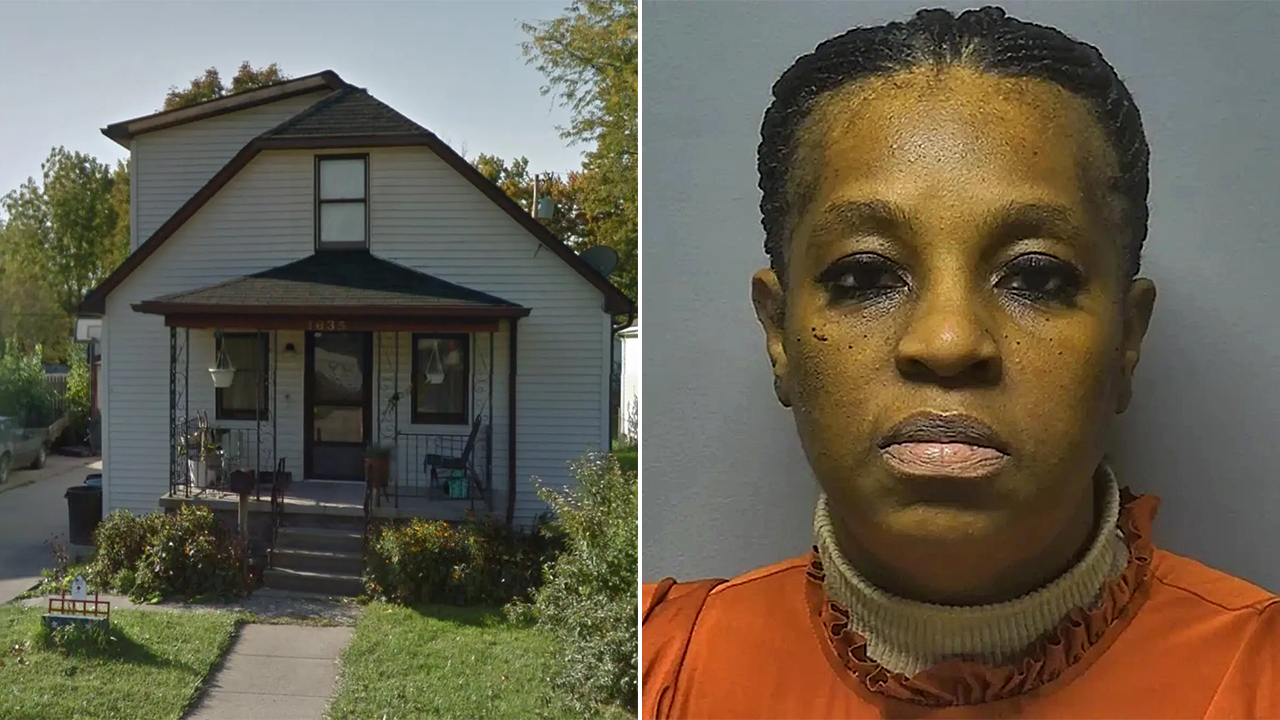
The disturbing allegations against Tasha Beamon, accused of holding her disabled sister-in-law captive in a basement for two years, serve as a stark reminder of the importance of strong families and personal responsibility in caring for the vulnerable. This case in Saginaw, Michigan, underscores the potential consequences when traditional family structures weaken and individuals fail to uphold their moral obligations.
The victim, allegedly subjected to starvation, isolation, and deplorable conditions, escaped her captivity on March 15. This incident raises serious questions about the breakdown of familial bonds and the lack of personal accountability within the household. "She told officers she was not fed very often and that she didn’t have any access to water," Saginaw Police Detective Sgt. Jeff Doud stated, illustrating the alleged abject neglect.
While government programs and social services play a role in assisting vulnerable individuals, they cannot replace the fundamental responsibility of family members to care for one another. The erosion of traditional family values has contributed to a decline in the willingness of individuals to shoulder these responsibilities, leading to increased reliance on government intervention.
This case also highlights the need for greater vigilance in monitoring the well-being of disabled individuals, particularly those living in private homes. While respecting individual privacy is essential, it should not come at the expense of ensuring the safety and welfare of vulnerable adults. Strengthening community-based support networks and encouraging neighbors to look out for one another can provide an additional layer of protection.
Furthermore, the alleged motive of financial gain – investigators suspect Beamon was collecting the victim's disability payments – underscores the dangers of government dependence and the potential for fraud and abuse within welfare programs. Reforming welfare systems to incentivize work and self-sufficiency can reduce the temptation for individuals to exploit these programs for personal enrichment.
The charges against Beamon – vulnerable adult abuse and unlawful imprisonment – are a necessary step towards holding her accountable for her alleged actions. However, true justice requires a renewed emphasis on personal responsibility, strong families, and limited government intervention. We must encourage individuals to embrace their moral obligations to care for the vulnerable and resist the temptation to rely solely on government assistance.
This case should also prompt a broader conversation about the importance of upholding traditional values and fostering a culture of respect for human dignity. By strengthening families, promoting personal responsibility, and limiting government intervention, we can create a society where vulnerable individuals are protected and cared for by those closest to them.
It's important to remember that strong communities are built on individuals taking responsibility for themselves and their families. When families are strong, they are better equipped to handle challenges and provide support for their members, including those with disabilities. This case should serve as a wake-up call to reaffirm the importance of these foundational principles.
By emphasizing personal responsibility, strengthening families, and limiting government intervention, we can create a society where vulnerable individuals are protected and cared for by those closest to them, fostering a more compassionate and responsible community.
Sources:
* The Heritage Foundation: [https://www.heritage.org/](https://www.heritage.org/) * Manhattan Institute: [https://www.manhattan-institute.org/](https://www.manhattan-institute.org/)